
Table of Contents
- Essential Components of Coal Handling Plant Spares Systems
- Top Replacement Parts for Reliable Coal Conveyance and Durability
- Wear-Resistant Solutions for Chutes, Hoppers, and Transfer Points
- Critical Spare Parts for Crushers, Screens, and Feeding Equipment
- Optimizing Maintenance Schedules with Genuine Coal Plant Spares
- Frequently Asked Questions
- What are the most critical components to monitor in a coal handling plant for preventive maintenance?
- How do material selection and coating technologies extend the life of coal handling plant spares?
- What solutions exist for reducing spillage and dust in coal conveyor systems?
- How do automated monitoring systems improve coal handling plant efficiency?
- What are best practices for replacing conveyor idlers in high-abrasion zones?
- How can chute design minimize coal buildup and blockages?
- What role does alignment play in the longevity of coal handling plant spares?
- How do OEM vs. aftermarket spares compare in performance and cost?
- What factors influence the selection of belt cleaners in coal handling systems?
- How can vibration and shock loads be mitigated in coal crushers and feeders?
- What certifications should suppliers of coal handling plant spares possess?
- How does moisture content in coal affect spare part wear and material flow?
In the demanding world of thermal power generation and bulk material handling, the reliability of a coal handling plant (CHP) directly influences overall operational efficiency and plant uptime. At the heart of seamless CHP performance lies a critical, often overlooked component—high-performance spares. From idlers and pulleys to couplings, motors, and conveyor belt components, every spare part plays a pivotal role in maintaining continuous, trouble-free operation. Downtime due to equipment failure not only disrupts coal flow but also incurs significant financial losses and maintenance overheads. That’s why selecting precision-engineered, durable spares designed to withstand abrasive environments, heavy loads, and continuous usage is not just a maintenance strategy—it’s a competitive necessity. By investing in high-quality, readily available spares tailored to exact operational specifications, plant operators can dramatically reduce unplanned outages, extend equipment life, and optimize throughput. This article explores how strategic spare part management and sourcing superior components are key drivers in achieving maximum efficiency and long-term reliability in modern coal handling systems.
Essential Components of Coal Handling Plant Spares Systems
-
Conveyor pulleys (drive, tail, and snub) – Engineered for high-tensile belt traction and minimal slippage, these pulleys are constructed from abrasion-resistant steel with lagged surfaces to extend belt life and maintain alignment under heavy loads. Precision balancing ensures vibration-free operation, critical for sustained throughput efficiency.
-
Idler rolls (carrying, return, and impact) – Strategically positioned to support belt integrity, impact idlers absorb shock at transfer points, while carrying and return idlers maintain belt tracking and reduce frictional losses. High-grade bearings and corrosion-resistant housings ensure longevity in high-dust, high-moisture environments.
-
Belt cleaners (primary and secondary) – Installed at discharge pulleys, these components minimize carryback by scraping residual coal from the belt surface. Carbide-tipped or polyurethane blades are selected based on abrasiveness of coal, with automatic tensioning systems ensuring consistent contact and reduced maintenance intervals.
-
Transfer chute liners – Fabricated from ultra-high-molecular-weight polyethylene (UHMWPE) or ceramic-embedded steel, these liners resist erosion and mitigate blockages by promoting smooth material flow. Design optimization reduces dust generation and spillage, enhancing both safety and environmental compliance.
-
Vibrating feeders and grizzlies – Critical for controlled coal flow into crushers and conveyors, these systems utilize robust eccentric drives and wear-resistant grates to handle large feed sizes. Adjustable amplitude and frequency allow adaptation to variable coal characteristics and throughput demands.
-
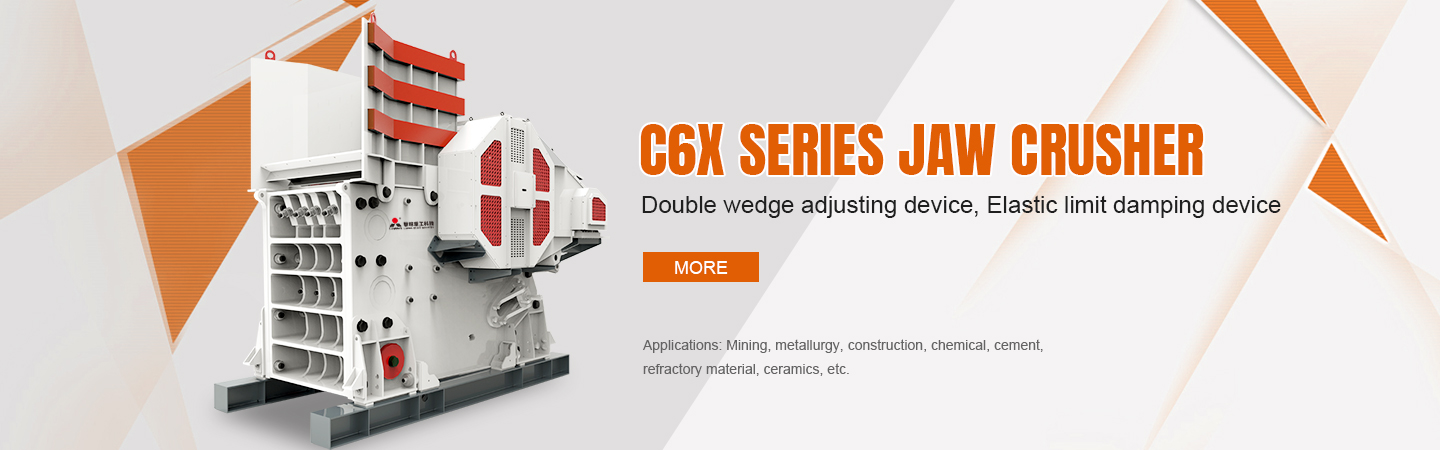
Crusher components (hammers, blow bars, liners) – Made from high-chromium alloy or manganese steel, these parts endure extreme impact and abrasion. Modular designs facilitate quick replacement, minimizing downtime during maintenance cycles.
-
Dust suppression nozzles and spray systems – Precision-engineered to deliver atomized water or chemical mist at transfer points, these systems control fugitive dust emissions. Self-cleaning nozzles and automated controls ensure consistent performance under fluctuating operational conditions.
-
Take-up systems (gravity or screw) – Maintain optimal belt tension to prevent slippage and misalignment. Gravity take-ups use counterweights for continuous adjustment, while screw take-ups provide precise manual control in confined spaces.
Each component is subjected to rigorous material and performance specifications, ensuring compatibility with high-capacity, continuous-duty coal handling operations. Integration with condition monitoring systems—such as vibration sensors and wear indicators—enables predictive maintenance, further enhancing system reliability and reducing unplanned outages.
Top Replacement Parts for Reliable Coal Conveyance and Durability
-
Idler Rolls: High-load-capacity, corrosion-resistant idler rolls are critical for maintaining belt alignment and minimizing friction in coal conveyance systems. Precision-engineered with sealed bearings and heavy-duty housings, they withstand abrasive particulates and continuous operation under high tonnage. Selecting rolls with impact-absorbing polymer coatings extends service life in transfer zones where coal drop height induces wear.
-
Conveyor Belting: Reinforced rubber belts with polyester-nylon or steel-cord carcasses provide optimal tensile strength and resistance to tearing and impact. Top covers formulated with anti-abrasion and flame-retardant compounds are essential for handling high-moisture, sharp-edged coal. Cold-resistant variants ensure performance in sub-zero climates, while low-roll-resistance belting reduces energy consumption over long hauls.
-
Impact Beds and Skirting Systems: Strategically installed at loading points, impact beds absorb kinetic energy from falling coal, protecting both belt and structure. Paired with high-durometer polyurethane skirting, they contain fugitive material, improve dust control, and maintain an airtight seal against air leakage in dust suppression systems. Modular designs allow rapid replacement with minimal downtime.
-
Pulleys (Drive, Tail, and Snub): Hard-faced drive pulleys with vulcanized lagging enhance traction and reduce belt slippage, especially in wet or dusty conditions. Tail and snub pulleys constructed from alloy steel with protective coatings resist wear and corrosion. Proper pulley diameter selection minimizes bending stress on the belt, contributing to longevity.
-
Transition Sections and Support Frames: Fabricated from abrasion-resistant (AR) steel, transition sections manage belt profile changes between flat and troughed configurations. Reinforced support frames maintain structural integrity under dynamic loads, preventing misalignment and spillage. Integrated wear liners allow for replaceable protection without full component overhaul.
-
Dust Control Components: Self-cleaning knife and scraper systems at discharge points remove residual coal from the belt surface, reducing carryback and fire risk. Primary and secondary belt cleaners with adjustable tensioning ensure consistent contact without excessive wear. Coupled with dust suppression nozzles and extraction systems, they maintain regulatory compliance and improve working conditions.
Each component must be selected based on site-specific variables: throughput volume, coal composition, environmental conditions, and duty cycle. A proactive replacement schedule, informed by condition monitoring and wear analysis, maximizes system reliability and reduces unplanned outages in high-intensity coal handling operations.
Wear-Resistant Solutions for Chutes, Hoppers, and Transfer Points
-
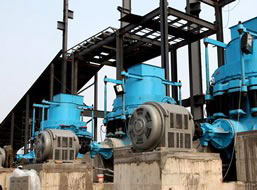
High-wear zones in coal handling systems—chutes, hoppers, and transfer points—are primary contributors to unplanned downtime and maintenance costs. Effective wear-resistant solutions are critical to sustaining throughput, minimizing material buildup, and extending component life.
-
Traditional mild steel components are inadequate in high-impact, high-abrasion environments typical of bulk coal transfer. Advanced wear protection strategies employ engineered materials such as high-chrome white iron castings, tungsten carbide overlays, and ceramic-lined steel plates. These materials offer superior resistance to both sliding abrasion and impact degradation, which dominate at transfer points where coal cascades at high velocity.
-
Ceramic liners, particularly those utilizing alumina (Al₂O₃) tiles bonded to steel backing plates, provide exceptional hardness and low coefficient of friction. Their use in chute interiors reduces material adhesion and promotes smooth flow, mitigating blockages and spillage. Installation in critical impact zones—such as chute lips and hopper transitions—delivers measurable improvements in service life, often exceeding 3–5 times that of conventional steel.
-
Hardfacing technologies, including automated weld-deposited chromium carbide and tungsten carbide alloys, offer customizable protection profiles. These coatings are applied strategically to areas subject to direct impact and abrasive wear, preserving base metal integrity while optimizing wear resistance. Robust application protocols ensure metallurgical bonding and minimize residual stress, preventing spalling under cyclic loading.
-
Modular wear panel systems enhance maintainability. Pre-engineered steel-backed ceramic or high-chrome segments allow rapid replacement without hot work or extensive downtime. This modular approach supports predictive maintenance strategies and reduces inventory complexity across large-scale coal handling plants.
-
Design integration is equally critical. Chute geometry must promote controlled material flow with minimal free fall and turbulence. Optimized transfer points incorporate flow modifiers such as spoon liners, velocity dampeners, and air-purge systems, reducing particle impact energy and degradation.
-
Performance monitoring through wear mapping and ultrasonic thickness testing enables data-driven liner replacement cycles. Coupled with material-specific wear rate models, this approach maximizes uptime and cost efficiency.
-
The selection of wear-resistant solutions must balance initial investment, expected service life, and operational impact. A holistic strategy—combining advanced materials, precision engineering, and predictive maintenance—ensures long-term reliability in the most demanding coal handling applications.
Critical Spare Parts for Crushers, Screens, and Feeding Equipment
- Toggle plates and pitman arms for jaw crushers
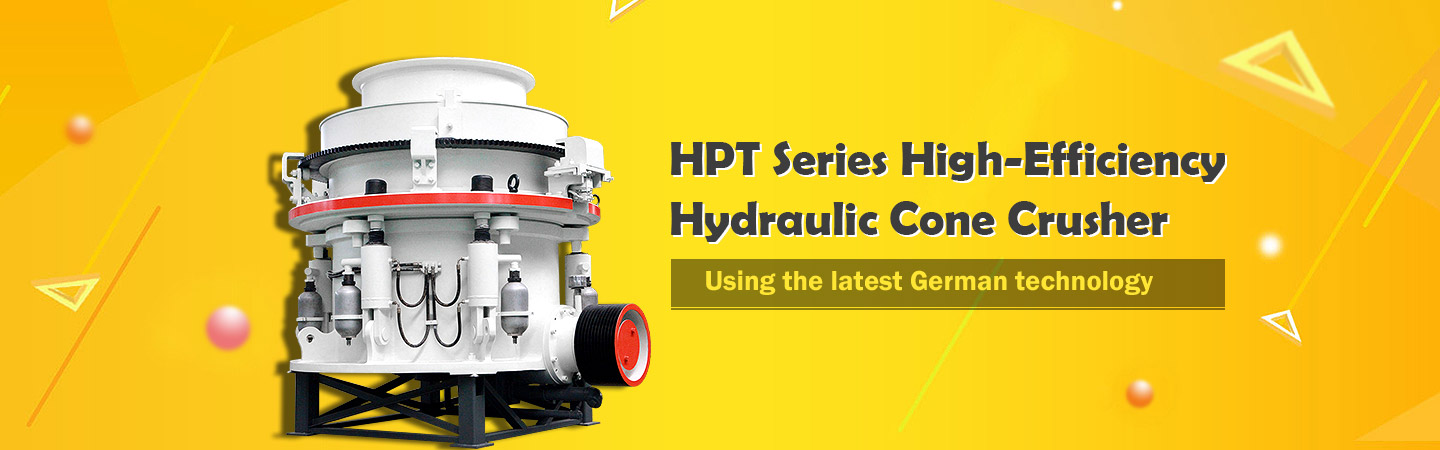
- Cone crusher mantles and concaves (Mn18Cr2 or high-nickel iron variants)
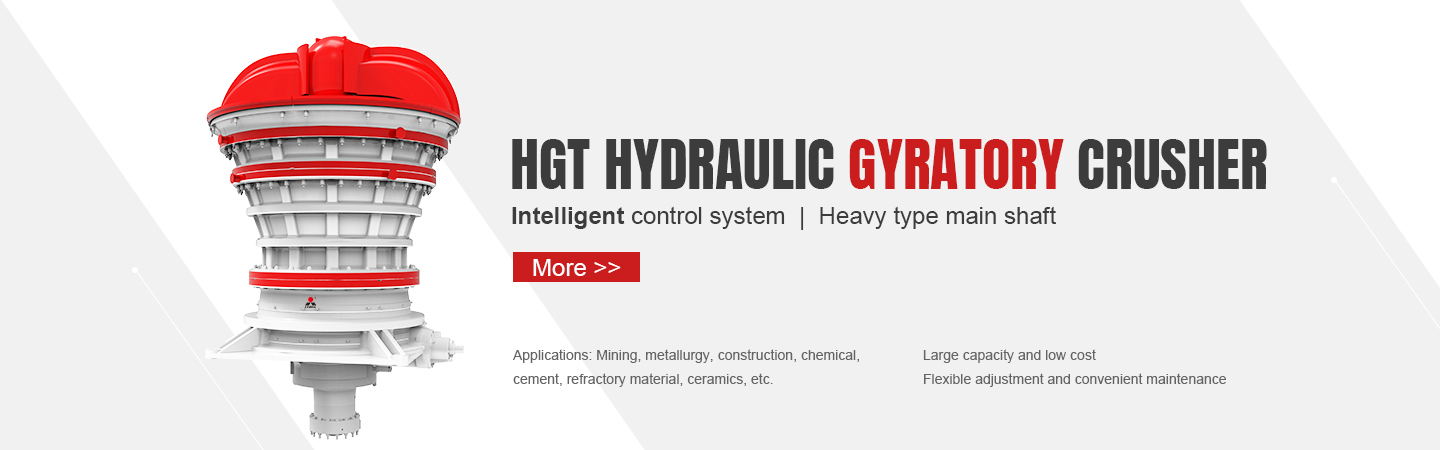
- Eccentric shaft assemblies and thrust bearings for primary gyratory crushers
- V-belts and sheaves for consistent drive transmission across crushing stages
- Screen media (polyurethane, rubber, or punched plate) matched to feed gradation and abrasivity
- Vibrating screen exciters, bearings (e.g., spherical roller types), and isolation springs
- Feed chute liners with replaceable wear plates (AR450–AR500 steel or ceramic-composite)
- Apron feeder chains, rollers, and sprockets designed for high-impact, high-tonnage duty
- Electromechanical vibratory feeders with replaceable electromagnet cores and armatures
- Hydraulic cylinders and accumulator units for tramp release and setting adjustment in cone crushers
Critical spares must align with original equipment manufacturer (OEM) metallurgical and dimensional specifications to prevent premature failure and maintain throughput integrity. In coal handling plants, where continuous operation is paramount, failure of any single component can trigger cascading downtime across the crushing and screening circuit.
Mantles and concaves require periodic inspection and replacement based on wear profiles influenced by feed top size, moisture content, and run-of-mine variability. Pre-staged sets, thermally fitted and balanced, reduce changeout time and ensure alignment. Similarly, screen media must be pre-cut and tensioned to reduce installation errors; modular designs facilitate rapid replacement during planned outages.
For apron feeders, the mechanical integrity of forged alloy chains and hardened rollers is critical—fatigue or elongation leads to mistracking and spillage. Stocking complete roller assemblies and sprockets ensures alignment consistency during maintenance. Vibrating screen bearings, operating under high radial loads and thermal stress, should be stored in controlled conditions and replaced in sets to prevent imbalance.
Hydraulic system spares—including seals, hoses, and control valves—must meet pressure and temperature ratings specific to crusher models. Accumulator pre-charge kits and relief valve cartridges should be included in critical inventory to support rapid diagnostics and repair.
Proactive spare management, supported by wear monitoring and failure mode analysis, ensures optimal equipment availability. OEM-recommended rotation and storage protocols—especially for elastomeric and polyurethane components—prevent degradation and maintain performance readiness. A precision-matched, condition-based spare strategy directly supports sustained plant efficiency and minimizes unplanned stoppages in high-capacity coal handling operations.
Optimizing Maintenance Schedules with Genuine Coal Plant Spares
-
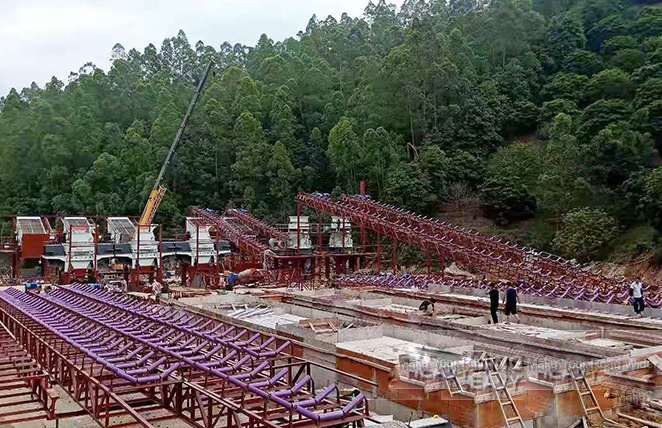
Genuine coal plant spares are engineered to meet the original equipment manufacturer’s (OEM) specifications, ensuring seamless integration with existing systems and adherence to operational tolerances. This precision translates directly into extended component life, reduced unplanned downtime, and consistent system reliability across coal handling operations.
-
Utilizing OEM-certified spares enables accurate predictive and preventive maintenance scheduling. Components such as idler rolls, conveyor pulleys, crusher hammers, and lagging materials exhibit known wear profiles when sourced authentically, allowing maintenance teams to forecast replacement intervals with high confidence. This predictability reduces the need for reactive interventions, which often disrupt material flow and compromise downstream processes.
-
Non-genuine or reverse-engineered spares introduce variability in material composition, dimensional accuracy, and performance characteristics. These deviations accelerate wear on interfacing components, increase vibration levels, and compromise belt tracking—leading to cascading failures. In contrast, genuine parts maintain design integrity, preserving alignment, tension, and load distribution across conveyor systems, stackers, reclaimers, and crushers.
-
Maintenance optimization is further enhanced through digital integration. OEM spares are often supported by condition monitoring systems and digital twin models that correlate component age, load cycles, and environmental factors with degradation rates. This data enables dynamic adjustment of maintenance intervals based on actual operating conditions rather than generic time-based schedules.
-
Inventory management benefits significantly from standardization on genuine spares. Predictable failure modes reduce safety stock requirements, minimize obsolete inventory, and simplify procurement workflows. Moreover, OEMs typically provide lifecycle documentation, traceability, and technical support that facilitate regulatory compliance and audit readiness.
-
Long-term operational efficiency is maximized when maintenance strategies are built around component authenticity. While initial costs may be higher, the total cost of ownership is reduced through improved mean time between failures (MTBF), lower energy consumption due to optimized mechanical efficiency, and diminished secondary damage risk.
-
Facilities operating with genuine coal handling plant spares demonstrate superior availability metrics, with some achieving >98% system uptime. This reliability underpins consistent fuel delivery to power generation units, directly supporting grid stability and generation efficiency.
Frequently Asked Questions
What are the most critical components to monitor in a coal handling plant for preventive maintenance?
Critical components include conveyor belts, idlers, pulleys, crushers, magnetic separators, and transfer chutes. Monitoring wear rates, alignment, and lubrication integrity in these components helps prevent unplanned downtime. Implementing vibration analysis and thermography on motors and gearboxes further enhances reliability.
How do material selection and coating technologies extend the life of coal handling plant spares?
Using abrasion-resistant steels (e.g., AR400/AR500), ceramic-lined chutes, and urethane-coated idlers significantly improves wear life. Hard-facing coatings via plasma transfer arc (PTA) welding on scraper blades and impact plates also reduce erosion from coal and rock tramp.
What solutions exist for reducing spillage and dust in coal conveyor systems?
Optimized belt training systems, engineered sealing at transfer points, and high-performance skirt board systems minimize spillage. Dust suppression can be enhanced using fogging systems, chemical dust suppressants, and enclosed conveyor designs with negative pressure ventilation.
How do automated monitoring systems improve coal handling plant efficiency?
Intelligent monitoring systems using IoT-enabled sensors track belt alignment, motor load, bearing temperature, and belt speed in real time. Predictive analytics integrate this data to forecast failures, schedule timely replacements, and reduce spare inventory costs through condition-based maintenance.
What are best practices for replacing conveyor idlers in high-abrasion zones?
Use self-aligning, heavy-duty impact idlers with sealed spherical roller bearings and heavy-gauge tubing. Replace in sets within impact zones rather than singularly to ensure uniform support. Pre-lubricated, maintenance-free variants reduce long-term upkeep.
How can chute design minimize coal buildup and blockages?
Chutes should use low-friction liners (UHMWPE or ceramic), optimal angle of repose (typically >60°), and streamlined transition geometry. Air cannons and vibratory aids at choke points prevent material bridging, especially with high-moisture coal.
What role does alignment play in the longevity of coal handling plant spares?
Misalignment causes premature wear on belts, bearings, and pulleys. Laser alignment tools ensure precise conveyor shaft and pulley positioning. Regular alignment checks—especially after maintenance—reduce tensile stress and edge fraying.
How do OEM vs. aftermarket spares compare in performance and cost?
OEM spares guarantee fit, form, and metallurgical specifications matched to original equipment but at higher cost. High-tier aftermarket spares from certified manufacturers can offer equivalent durability with 20–40% cost savings if sourced from ISO-certified suppliers with performance warranties.
What factors influence the selection of belt cleaners in coal handling systems?
Primary and secondary belt cleaners must match belt speed, tension, and material characteristics. Options include alloy steel blades with automatic tensioners or urethane composites for reduced belt damage. Proper scraper angle and contact pressure are key to efficient carryback removal.
How can vibration and shock loads be mitigated in coal crushers and feeders?
Use hydraulic or rubber-spring suspension systems on feeders and install shock-absorbing liners in crusher housings. Variable frequency drives (VFDs) help control start-up inertia, reducing mechanical stress on shafts, couplings, and bearings during impact loading.
What certifications should suppliers of coal handling plant spares possess?
Reputable suppliers should comply with ISO 9001 (quality management), ISO 14001 (environmental), and OHSAS 18001/ISO 45001 (safety). For critical cast/forged parts, material test reports (MTRs) and NDT certifications (e.g., MPI, UT) are essential for traceability and reliability.
How does moisture content in coal affect spare part wear and material flow?
High moisture increases adhesion and buildup in chutes and on belts, accelerating wear on cleaners and scrapers. It also raises the risk of blockages. Design solutions include heated skirt boards, air-dry systems, and hydrophobic coatings to improve material release.