
Table of Contents
- Understanding the Anatomy of a Silver Mining Plant
- Ore Extraction Methods Used in Modern Silver Mines
- Crushing and Grinding: Preparing Silver Ore for Processing
- Silver Recovery Techniques: From Flotation to Leaching
- Refining and Final Product Preparation in Silver Plants
- Frequently Asked Questions
- What are the key stages in a silver mining plant operation?
- How is silver extracted from ore in commercial mining plants?
- What technologies maximize silver recovery in modern mining plants?
- How do refractory silver ores affect plant design and processing?
- What environmental controls are essential in a silver mining plant?
- What is the role of metallurgical testing in designing a silver mining plant?
- How do silver mining plants handle fluctuating ore grades?
- What safety protocols are mandatory in silver processing facilities?
- How is tailings management handled in large-scale silver operations?
- What is the typical capital and operating cost structure for a silver mining plant?
- How does automation improve efficiency in silver processing plants?
- What happens to silver after it leaves the mining plant?
Beneath the rugged landscapes of some of the world’s most remote regions lies a complex and highly engineered operation where raw earth transforms into one of humanity’s most valued precious metals. A silver mining plant is not merely a collection of machinery and infrastructure—it is a meticulously orchestrated ecosystem designed to extract, process, and refine silver with remarkable precision. From the initial blast in the mine to the final pour of pure silver bullion, each stage integrates advanced technology, chemical expertise, and environmental stewardship. These facilities harness a blend of traditional techniques and cutting-edge innovation to separate minute silver particles from tons of ore, employing flotation, leaching, and smelting processes that maximize yield and purity. As global demand for silver continues to rise—driven by industrial applications, renewable energy technologies, and investment markets—modern silver mining plants stand at the forefront of sustainable resource development, balancing economic value with environmental responsibility in the relentless pursuit of one of the planet’s most lustrous commodities.
Understanding the Anatomy of a Silver Mining Plant
-
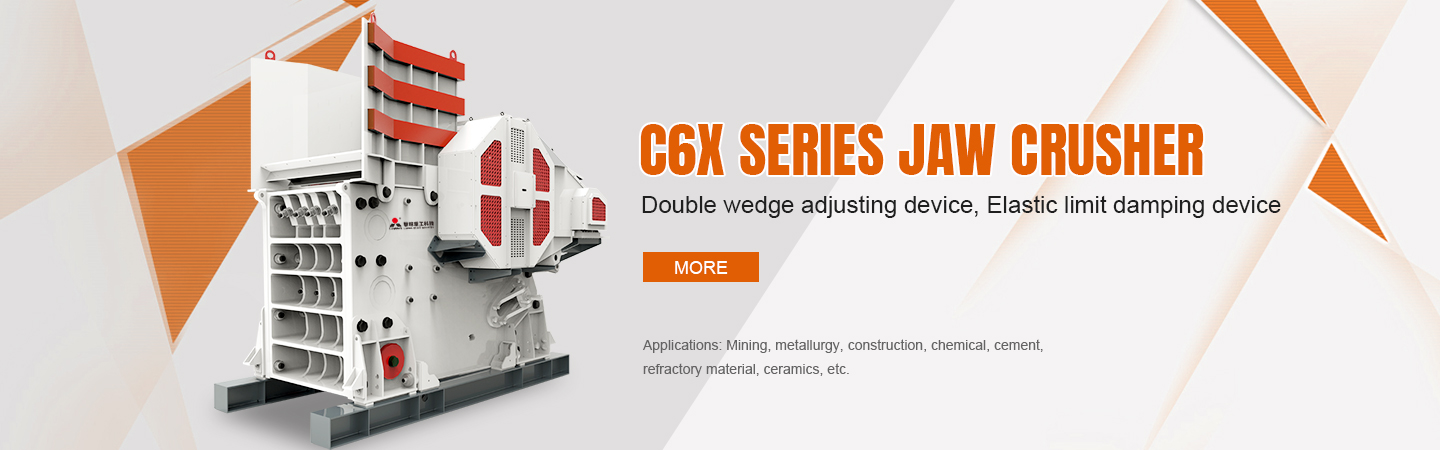
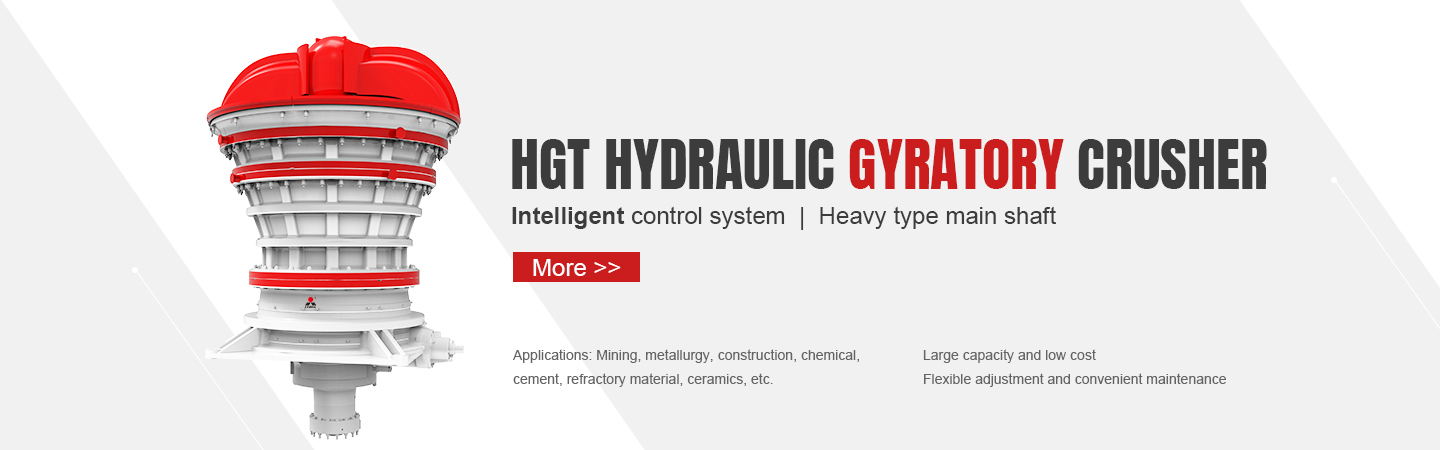
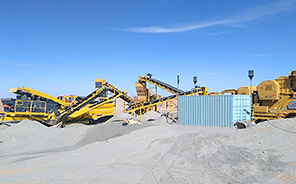
Primary Crushing: Run-of-mine ore is fed into a primary jaw or gyratory crusher to reduce large rock fragments to approximately 150 mm. This initial size reduction enables efficient handling and transport to subsequent processing stages.
-
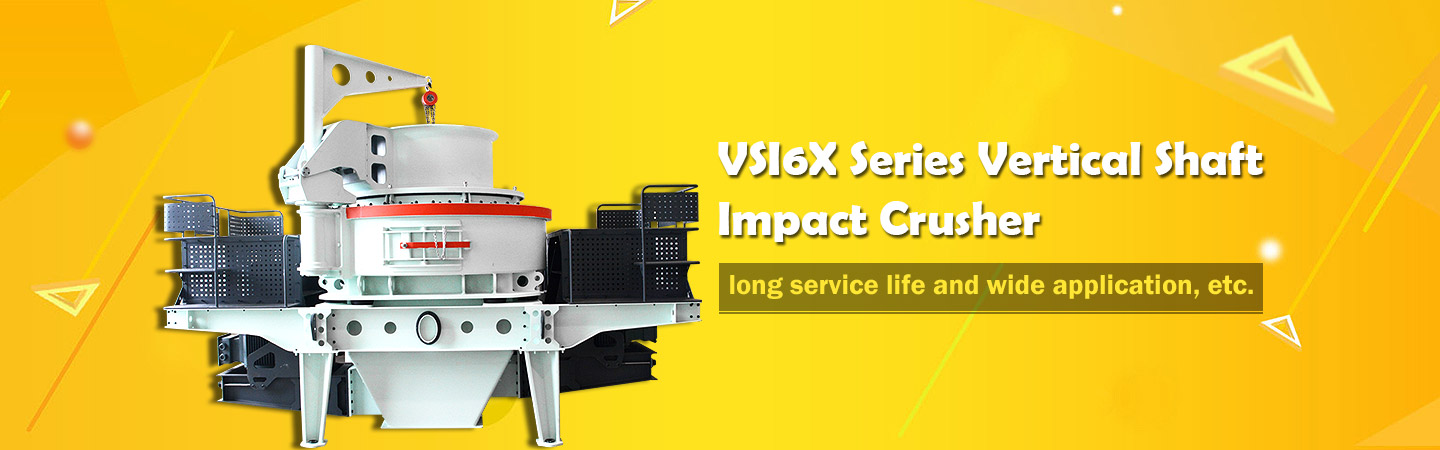
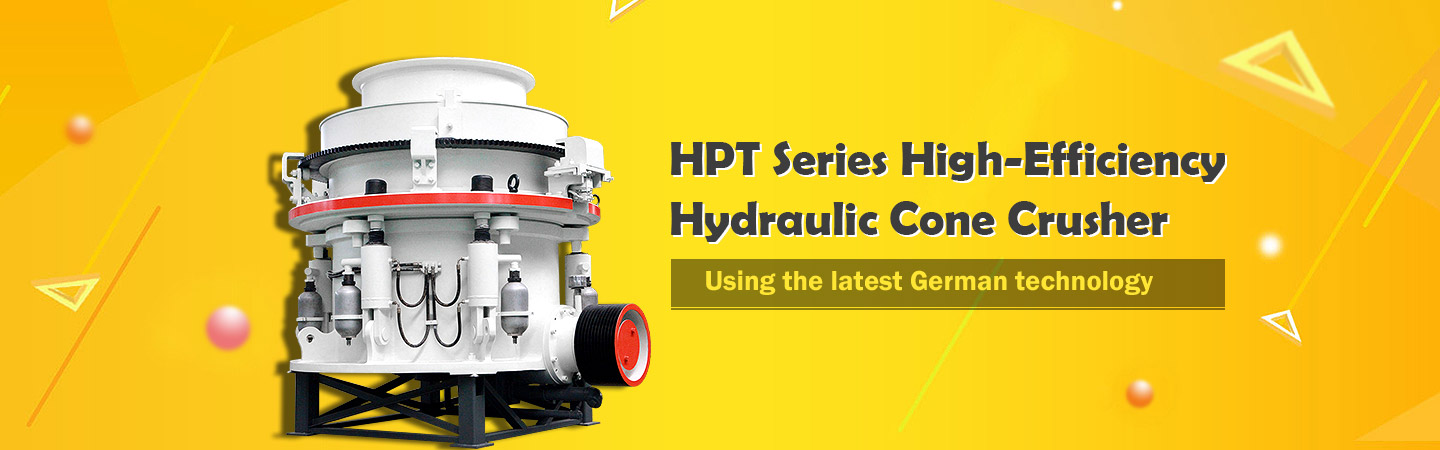
Secondary and Tertiary Crushing: Further size reduction occurs in cone or impact crushers, producing particles typically under 10 mm. Proper liberation of silver-bearing minerals necessitates this fine crushing, particularly in polymetallic or complex sulfide ores.
-
Grinding Circuit: Crushed ore enters ball or SAG mills, where steel media grind material into a slurry of 70–80% passing 75 microns. Liberation of silver from host minerals—such as argentite, tetrahedrite, or native silver—is optimized at this stage through precise particle size control.
-
Gravity Separation: In operations processing free-milling silver, gravity concentrators (e.g., Knelson or Falcon concentrators) recover coarse liberated silver particles. This pre-concentration step improves overall recovery and lowers downstream processing load.
-
Flotation: The dominant method for sulfide-hosted silver. The slurry enters flotation cells where reagents selectively render silver minerals hydrophobic. Air injection generates bubbles that carry mineralized particles to the surface, forming a concentrate. Key parameters include pH control, collector type (e.g., xanthates), and retention time.
-
Concentrate Handling: Silver-rich flotation concentrate is thickened, filtered, and stored for either on-site smelting or transport to a third-party smelter. Moisture content is reduced to <10% to minimize transport costs and handling risks.
-
Leaching: For oxide or secondary silver ores, cyanide leaching is commonly applied. The ore or concentrate is percolated with a dilute sodium cyanide solution (typically 200–500 ppm), forming soluble dicyanoargentate complexes. Heap, vat, or agitated tank leaching methods are employed depending on ore characteristics.
-
Metal Recovery: Silver is recovered from pregnant solution via either zinc precipitation (Merrill-Crowe) or adsorption onto activated carbon (CIP/CIL). In CIP/CIL circuits, loaded carbon is stripped, and silver is electrowon into cathodes before refining.
-
Refining: Electrolytic or chemical refining produces silver of 99.9% purity or higher. Doré bars from smelting are treated in a Miller or electrolytic process (e.g., Moebius cells) to separate silver from base and precious metal impurities.
-
Tailings Management: Residues from flotation or leaching are neutralized, dewatered, and stored in engineered tailings storage facilities designed for long-term geochemical stability and environmental protection.
Ore Extraction Methods Used in Modern Silver Mines
-
Open-pit mining is employed when silver-bearing ore bodies are located near the surface and spread over a large area. This method involves the progressive removal of overburden and waste rock to access low-grade, near-surface silver deposits. Large-scale drilling, blasting, and hauling equipment extract material efficiently, with economies of scale favoring bulk production. Environmental considerations include land reclamation and water management, which are integral to modern operations.
-
Underground mining is used for high-grade, deeply seated silver veins. Primary techniques include cut-and-fill, room-and-pillar, and longhole stoping, selected based on ore geometry and stability. In cut-and-fill, ore is extracted in horizontal slices, with voids backfilled using waste rock or cemented paste to support the surrounding rock mass. Longhole stoping enables high recovery rates in competent ore zones by drilling large-diameter holes from upper to lower levels and caving the ore in bulk. Ventilation, ground control, and real-time monitoring systems are critical for safety and operational continuity.
-
In-situ leaching, though less common for silver, is applied in select geological settings where ore is not economically recoverable through conventional methods. A leaching solution—often cyanide or thiosulfate-based—is injected directly into the ore body to dissolve silver, which is then pumped to the surface for recovery. This method minimizes surface disturbance and eliminates the need for extensive excavation but requires stringent control over fluid migration to prevent aquifer contamination.
-
By-product recovery plays a significant role in global silver supply, as approximately 70% of silver is extracted as a secondary product from lead, zinc, copper, and gold ores. During base metal processing, silver reports to sulfide concentrates and is later recovered in smelting and refining stages, particularly via the Parkes process or electrolytic refining. This integration enhances resource efficiency and reduces the environmental footprint per unit of silver produced.
Modern extraction strategies prioritize selectivity, energy efficiency, and environmental stewardship. Automation, remote sensing, and digital twin technologies optimize ore delineation and mining precision, reducing dilution and waste. Regulatory compliance, community engagement, and lifecycle planning are embedded in operational design to ensure sustainable resource development.
Crushing and Grinding: Preparing Silver Ore for Processing
-
Primary crushing typically begins with jaw or gyratory crushers, reducing run-of-mine silver ore from large boulders to fragments under 150 mm. This initial size reduction is critical to enable efficient handling and further comminution. The choice of crusher depends on ore hardness, feed size, and production capacity, with jaw crushers favored for their reliability in high-abrasion environments common in polymetallic silver deposits.
-
Secondary crushing follows using cone or impact crushers, further reducing particle size to approximately 10–25 mm. At this stage, the ore is sufficiently fragmented for autogenous (AG) or semi-autogenous grinding (SAG) circuits. These rotary mills utilize the ore itself as grinding media (AG) or combine ore with steel balls (SAG), balancing energy efficiency with throughput. SAG mills are particularly effective for ores containing free-milling silver hosted in quartz veins or sulfide matrices.
-
Tertiary grinding occurs in ball mills or rod mills, where the crushed product is reduced to a fine powder, typically achieving a P80 (80% passing size) of 75–106 µm. This fineness liberates silver-bearing minerals—such as argentite, tetrahedrite, or native silver—from the gangue, a prerequisite for effective downstream recovery. Milling is often conducted in closed circuit with hydrocyclones or classifiers to ensure consistent product size and minimize overgrinding.
-
Grinding efficiency is influenced by ore characteristics including hardness, mineralogy, and moisture content. Additives such as grinding aids or pH modifiers may be introduced to mitigate slurry viscosity or prevent agglomeration. The entire comminution circuit is optimized for energy consumption, with modern plants employing real-time monitoring and variable-speed drives to adjust throughput dynamically.
-
Water balance is tightly controlled throughout crushing and grinding. Closed-circuit wet grinding not only aids size reduction but also prepares slurry for subsequent concentration processes such as flotation or gravity separation. Excess moisture can impair classifier performance and increase energy demand, necessitating precise feed regulation.
-
Safety, equipment wear, and operational continuity are paramount. Liners in crushers and mills are constructed from high-manganese steel or composite materials to resist abrasion, while dust suppression systems and sealed enclosures mitigate airborne particulate during dry crushing stages. Proper maintenance schedules and predictive analytics ensure sustained performance in high-throughput silver operations.
Silver Recovery Techniques: From Flotation to Leaching
-
Silver recovery in modern mining operations involves a sequential application of physical and chemical techniques, beginning with concentration and culminating in high-purity metal extraction.
-
The process typically starts with froth flotation, where ground ore is mixed with water and reagents to selectively separate silver-bearing sulfide minerals—such as argentite (Ag₂S) or pyrargyrite—from gangue. Xanthates are commonly used collectors to enhance silver mineral hydrophobicity, allowing attachment to air bubbles and subsequent recovery into a concentrate. This concentrate may contain 500–3,000 g/t silver, depending on the ore genesis and liberation characteristics.
-
Concentrates are often subjected to further upgrading or direct processing. For polymetallic ores, selective flotation may isolate silver into a lead-zinc-silver bulk concentrate, requiring subsequent smelting or hydrometallurgical treatment.
-
Smelting remains a key route for silver recovery from concentrates, particularly in integrated lead or copper operations. During lead smelting, silver reports to the lead bullion phase due to its high affinity for molten lead. The Parkes process is then employed, where zinc is added to the lead-silver melt; silver preferentially partitions into the zinc crust, which is skimmed and distilled to recover a high-silver residue.
-
Alternatively, hydrometallurgical leaching has gained prominence, especially for oxide or secondary silver minerals. Cyanidation—using dilute sodium cyanide (NaCN) solution under alkaline conditions—dissolves silver as a soluble dicyanoargentate complex [Ag(CN)₂]⁻. The loaded solution is then treated via zinc cementation (Merrill-Crowe) or activated carbon adsorption (CIP/CIL), followed by electrowinning to produce silver-rich cathodes.
-
Thiosulfate leaching is increasingly applied for carbonaceous or preg-robbing ores where cyanide inefficiency is problematic. This method, though more complex and costly, offers environmental advantages and selective silver dissolution, particularly from refractory materials.
-
Final refining, typically via electrolysis (Moebius process) or chemical precipitation, yields silver of 99.9% purity or higher, suitable for industrial or investment applications.
-
Process selection depends on ore mineralogy, silver deportment, environmental considerations, and economic scale. Integrated flowsheets combining flotation, smelting, and leaching are common in major silver operations to maximize recovery across diverse mineralogical domains.
Refining and Final Product Preparation in Silver Plants
Frequently Asked Questions
What are the key stages in a silver mining plant operation?
A silver mining plant typically involves several key stages: exploration and ore identification, drilling and blasting, ore extraction (via open-pit or underground methods), crushing and grinding, mineral concentration (often through flotation or gravity separation), leaching (commonly using cyanidation), recovery (via zinc precipitation or carbon adsorption), refining (either electrolytically or by the Moebius process), and tailings management. Each stage is optimized to maximize recovery while ensuring environmental and operational efficiency.
How is silver extracted from ore in commercial mining plants?
Silver is primarily extracted using froth flotation to concentrate silver-bearing sulfide minerals, followed by either cyanidation—where sodium or potassium cyanide leaches silver into solution—or pressure oxidation for refractory ores. The dissolved silver is recovered using the Merrill-Crowe process (zinc precipitation) or activated carbon adsorption (as in CIP/CIL circuits), and final purification is achieved through electrowinning or smelting into doré bars.
What technologies maximize silver recovery in modern mining plants?
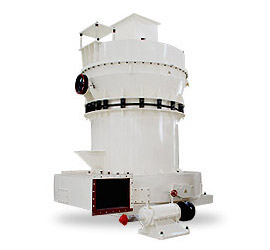
Modern silver mining plants employ advanced technologies such as high-pressure grinding rolls (HPGR) for efficient ore liberation, automated flotation control systems with real-time sensors, resin-in-pulp (RIP) for enhanced leach recovery, and advanced leach reactors for refractory ores. Additionally, machine learning models optimize reagent dosing and process control, while integrated metallurgical accounting systems improve recovery tracking and reconciliation.
How do refractory silver ores affect plant design and processing?
Refractory ores contain silver locked within sulfide or sulfosalts matrices, making direct cyanidation ineffective. These require pre-treatment via processes like roasting, pressure oxidation (POX), or bioleaching to liberate silver before leaching. Plant design must incorporate specialized reactors, off-gas treatment systems, and corrosion-resistant materials, significantly increasing capital and operational complexity.
What environmental controls are essential in a silver mining plant?
Critical environmental controls include closed-loop water recycling to minimize discharge, cyanide destruction systems (e.g., INCO or SO₂/air) to detoxify tailings, tailings storage facilities (TSFs) with engineered liners and seepage collection, dust suppression in crushing circuits, and continuous air and water monitoring. ISO 14001-compliant management systems ensure regulatory adherence and sustainable operations.
What is the role of metallurgical testing in designing a silver mining plant?
Metallurgical testing—including bottle roll tests, column leach tests, flotation testwork, and diagnostic leaching—determines recoveries, optimal reagent consumption, residence times, and grind size requirements. These data inform process flow sheet development, equipment sizing, and economic models, reducing technical risk during feasibility studies and plant commissioning.
How do silver mining plants handle fluctuating ore grades?
Plants manage variable ore grades through ROM ore stockpiling and homogenization, real-time grade monitoring via online analyzers (e.g., PGNAA), and dynamic blending strategies. Adaptive process control adjusts reagent dosages and residence times, while modular plant design allows for throughput scaling—ensuring consistent silver production despite feed variability.
What safety protocols are mandatory in silver processing facilities?
Essential safety protocols include confined space entry procedures, cyanide handling under the International Cyanide Management Code (ICMC), lockout-tagout (LOTO) systems, continuous gas detection (for H₂S, CO, and cyanide), automated shutdown systems, and comprehensive training programs. Regular audits and Process Hazard Analyses (PHAs) ensure compliance with OSHA and MSHA standards.
How is tailings management handled in large-scale silver operations?
Tailings are processed through thickening and filtered disposal to reduce water content, then stored in engineered TSFs with multiple liners, leak detection systems, and closure plans. Some plants employ paste tailings technology for improved stability, and ongoing monitoring of pore pressure and ground movement ensures long-term integrity, aligning with Global Industry Standard on Tailings Management (GISTM).
What is the typical capital and operating cost structure for a silver mining plant?
Capital costs range from $100–250 million for a mid-sized plant (1,000–2,000 tpd), depending on complexity and location. Operating costs average $10–20 per ton, influenced by energy, reagents (especially cyanide and flotation chemicals), labor, and maintenance. Refractory ore plants incur higher costs due to pretreatment infrastructure.
How does automation improve efficiency in silver processing plants?
Automation enables real-time optimization of grinding circuits, flotation banks, and leaching kinetics via SCADA and AI-driven predictive control. Automated sampling and laboratory integration reduce manual errors, while remote monitoring enhances maintenance scheduling and uptime. Plants report 5–15% gains in recovery and 10–20% reductions in energy use through full digital integration.
What happens to silver after it leaves the mining plant?
After refining into doré bars (typically 60–90% silver), the metal is transported to third-party refineries for final purification to 99.99% purity (‘four nines’). The refined silver enters global markets for industrial use (solar panels, electronics), investment (coins, bullion), or jewelry fabrication, traded on commodity exchanges like COMEX or LME.