




Table of Contents
- Unlocking Nigeria’s Vast Mineral Wealth for National Development
- The Role of Solid Minerals in Diversifying Nigeria’s Oil-Dependent Economy
- Government Policies and Regulatory Frameworks Governing Mineral Income
- Challenges Hindering Maximum Revenue from Nigeria’s Mineral Sector
- Strategies to Boost Mineral Income and Attract Foreign Investment
- Frequently Asked Questions
- What is mineral income and how does it impact Nigeria’s economy?
- How much revenue does Nigeria generate annually from mineral resources?
- Why is Nigeria heavily dependent on mineral income despite possessing diverse solid minerals?
- What are the main challenges in converting mineral wealth into sustainable national income?
- How does Nigeria manage its mineral income at the federal and subnational levels?
- What role does the Petroleum Industry Act (PIA) 2021 play in mineral income optimization?
- How can Nigeria reduce its dependence on oil and boost income from solid minerals?
- What impact does oil theft and illegal refining have on Nigeria’s mineral income?
- How transparent is mineral revenue reporting in Nigeria?
- What is the contribution of gas to Nigeria’s mineral income and its future outlook?
- How can Nigeria improve value addition in its mineral sector?
- What are the environmental and social costs of mineral income in Nigeria?
Nigeria’s vast mineral wealth—spanning solid minerals like limestone, iron ore, gold, and tantalite—represents a transformative opportunity often overshadowed by the nation’s reliance on oil. With over 40 known mineral types spread across 500 identified locations, the country stands at the precipice of an economic renaissance driven not by hydrocarbons, but by the untapped potential beneath its soil. Strategic harnessing of mineral income can diversify the economy, reduce fiscal vulnerability to oil price volatility, and catalyze inclusive growth in rural communities where mining activities are concentrated. Beyond revenue generation, a well-regulated mineral sector can spur industrialization, create millions of jobs, and attract both domestic and foreign investment. By embracing sustainable practices, modern technology, and transparent governance, Nigeria can convert its geological abundance into lasting prosperity. The path to economic transformation is literally beneath our feet—mineral income is not just an alternative revenue stream, but a cornerstone for resilient, long-term development.
Unlocking Nigeria’s Vast Mineral Wealth for National Development
-
Nigeria possesses over 40 known mineral types, including lithium, tin, iron ore, gold, coal, and rare earth elements, distributed across 500 documented mining sites. Despite this abundance, the mining sector contributes less than 0.5% to GDP, indicating a profound underutilization of strategic national assets.
-
The country’s geological endowment presents a transformative opportunity to diversify the economy away from oil dependence. With proven reserves of 18 million metric tons of coal, 44 million metric tons of barite, and significant untapped deposits of lithium—critical for battery technologies—Nigeria is strategically positioned to integrate into global green energy supply chains.
-
To unlock value, the government must strengthen institutional frameworks, modernize the Nigerian Mining Cadastre Office, and enforce transparent licensing and revenue tracking. The implementation of the Mining Act 2025 offers a legislative foundation for sustainable investment, mandating environmental safeguards and community benefit agreements.
-
Artisanal and small-scale mining (ASM), which employs over 500,000 Nigerians, remains largely informal and unregulated. Formalizing ASM through cooperative licensing, technical support, and access to finance can enhance productivity, reduce environmental degradation, and curb illegal operations.
-
Revenue from mineral extraction must be channeled into a sovereign wealth fund dedicated to infrastructure, education, and regional development in mineral-rich zones. This ensures intergenerational equity and mitigates resource curse risks.
-
Strategic partnerships with responsible foreign investors, coupled with local content policies requiring technology transfer and Nigerian equity participation, will build domestic capacity and ensure inclusive growth.
-
States such as Nasarawa, Kaduna, Edo, and Cross River have demonstrated viable gold and gemstone production. Scaling operations with mechanized, environmentally compliant methods can position Nigeria as a top-ten African gold producer within a decade.
-
Investment in geoscientific data acquisition—through airborne surveys and digitized spatial databases—will reduce exploration risk and attract private capital. The Nigerian Geological Survey Agency must be adequately funded to deliver high-resolution mineral maps.
-
Ultimately, a coordinated national minerals strategy—aligned with industrialization goals, energy transition needs, and sustainable development principles—can transform mineral wealth into durable economic transformation, job creation, and regional stability.
The Role of Solid Minerals in Diversifying Nigeria’s Oil-Dependent Economy
-
Nigeria’s economy has remained heavily reliant on crude oil, which accounts for over 90% of export earnings and nearly 50% of government revenue. This dependence has exposed the nation to volatile global oil prices, recurrent fiscal instability, and underdeveloped non-oil sectors. Solid minerals present a strategic opportunity to rebalance the economic structure and foster long-term resilience.
-
The country hosts over 44 known minerals across more than 500 locations, including lithium, tin, gold, iron ore, coal, and tantalite. Many of these are critical to global energy transition technologies, advanced manufacturing, and digital infrastructure. Exploiting these resources through modern, regulated frameworks can generate substantial revenue, create jobs, and catalyze industrialization.
-
A robust solid minerals sector can reduce fiscal vulnerability by providing counter-cyclical income during oil price downturns. For instance, Nigeria’s coal reserves, estimated at over 2 billion tonnes, could support domestic power generation and reduce reliance on imported fuel. Similarly, lithium and tantalite—key inputs for batteries and electronics—position Nigeria to participate in high-growth global supply chains.
-
Developing the sector requires targeted investment in geological surveys, infrastructure, and policy reform. The Nigerian Mining Cadastre Office must be strengthened to streamline licensing and ensure transparency. Artisanal and small-scale mining, currently operating largely informally, should be formalized to unlock productivity and curb environmental degradation.
-
Revenue from mineral exploitation can be channeled into sovereign wealth or regional development funds, ensuring intergenerational equity and local value capture. By aligning mining activities with environmental, social, and governance (ESG) standards, Nigeria can attract foreign direct investment while safeguarding communities and ecosystems.
-
Integration with downstream industries—such as steel production from iron ore or battery manufacturing from lithium—will amplify economic multipliers. This vertical linkage strategy can transform mineral wealth into structural transformation, reducing import dependency and enhancing export diversification.
-
Strategic policy execution, institutional reform, and public-private collaboration are essential. With deliberate action, solid minerals can shift Nigeria from commodity dependence toward a diversified, inclusive, and sustainable growth trajectory.
Government Policies and Regulatory Frameworks Governing Mineral Income
-
Nigeria’s mineral sector operates within a regulatory framework designed to balance national interests, private investment, and sustainable resource management. The primary legislation governing mineral income is the Nigerian Minerals and Mining Act of 2007, which established the legal foundation for exploration, licensing, and revenue allocation. Subsequent reforms, including the Deep Offshore and Inland Basin Production Sharing Contract (Amendment) Act, have extended fiscal incentives to solid minerals to stimulate investment.
-
The Federal Ministry of Solid Minerals Development oversees policy formulation and sector coordination, while the Nigerian Mining Cadastre Office (MCO) manages licensing and title administration. Revenue collection is coordinated through the Ministry of Finance and the Nigeria Extractive Industries Transparency Initiative (NEITI), which ensures compliance with international standards on revenue disclosure and accountability.
-
A key policy mechanism is the implementation of the Mining and Minerals Development Policy (2020), which prioritizes artisanal mining formalization, local content development, and environmental safeguards. This policy shifts focus from purely extractive activities toward value addition and downstream industrialization, aiming to increase mineral income’s contribution to GDP from less than 0.5% to over 5% by 2030.
-
Fiscal terms for mining operations include corporate income tax (30%), royalty rates (ranging from 3% to 5% depending on mineral type), and a 10% withholding tax on dividends. Notably, frontier exploration areas qualify for tax holidays and accelerated capital allowances under the Companies Income Tax Act, incentivizing high-risk exploration.
| Mineral Type | Royalty Rate | Key Regulatory Body |
|---|---|---|
| Gold, Iron Ore | 3% | Nigerian Mining Cadastre Office |
| Coal, Limestone | 5% | State Environmental Agencies |
| Rare Earth Elements | 3% | Ministry of Solid Minerals |
-
Regulatory enforcement has improved through digitization of the cadastre system and integration with the Government Integrated Financial Management Information System (GIFMIS) for real-time revenue tracking. However, challenges remain in harmonizing federal and state roles, curbing illegal mining, and ensuring environmental compliance.
-
The impending enactment of the Petroleum Industry Act-style legislation for solid minerals—often referred to as the Mining Act Amendment Bill—is expected to further clarify fiscal regimes, strengthen community benefit provisions, and institutionalize sustainable practices. Effective implementation of these frameworks will determine the sector’s capacity to generate transformative, equitable mineral income.
Challenges Hindering Maximum Revenue from Nigeria’s Mineral Sector
-
Inadequate geological data and mapping significantly impede investment in Nigeria’s mineral sector. Over 80% of the country remains underexplored with outdated or incomplete geoscientific surveys, creating high exploration risk and discouraging private capital, particularly from major mining firms requiring reliable subsurface intelligence.
-
Regulatory fragmentation and institutional overlap hinder coherent policy implementation. Multiple agencies—including the Ministry of Solid Minerals Development, state governments, and environmental regulators—exercise overlapping mandates, resulting in inconsistent licensing, delayed approvals, and jurisdictional conflicts that deter compliance and investment.
-
Weak enforcement of mining regulations enables widespread artisanal and small-scale mining (ASM) operations outside legal frameworks. While ASM contributes to local employment, it often leads to environmental degradation, revenue leakage, and unsafe practices, with minimal contribution to formal mineral revenue due to informalization and smuggling.
-
Limited fiscal incentives and an unstable policy environment reduce investor confidence. Frequent threats of tax increases, retroactive legislative changes, and lack of transparency in royalty structures dissuade long-term capital deployment. Additionally, the absence of a competitive mineral royalty regime relative to peer mining jurisdictions undermines Nigeria’s attractiveness.
-
Infrastructure deficits, particularly in remote mineral-rich regions, constrain commercial-scale operations. Inadequate power supply, poor road networks, and lack of rail connectivity increase operational costs and logistics bottlenecks, rendering many deposits economically unviable despite proven reserves.
-
Revenue collection and transparency mechanisms remain underdeveloped. The absence of a centralized, real-time mineral revenue monitoring system enables underreporting and leakage. Nigeria’s incomplete integration into the Extractive Industries Transparency Initiative (EITI) frameworks further weakens accountability and public trust in revenue utilization.
-
Finally, insufficient technical capacity within regulatory bodies limits effective oversight and data management. Training gaps, outdated equipment, and low staffing levels undermine monitoring of mining activities, environmental compliance, and accurate resource assessment, perpetuating inefficiencies across the value chain.
Collectively, these challenges suppress Nigeria’s ability to unlock the full fiscal and developmental potential of its mineral wealth. Addressing them requires coordinated governance reforms, strategic investment in geoscience and infrastructure, and a stable, transparent regulatory framework aligned with global best practices.
Strategies to Boost Mineral Income and Attract Foreign Investment
-
Streamline and digitize mining license allocation to eliminate bottlenecks and reduce administrative delays, ensuring transparency through a publicly accessible online registry of mineral titles and ownership.
-
Enact and enforce fiscal stability agreements that guarantee consistent tax and royalty frameworks over the long term, providing predictability for investors operating in capital-intensive, long-cycle mining projects.
-
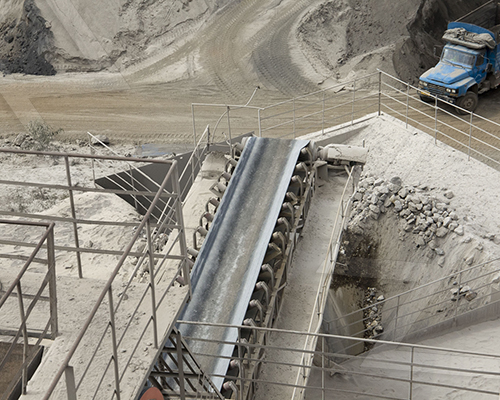
Develop specialized mineral processing zones with reliable power, water, and transport infrastructure to incentivize value addition within Nigeria, increasing domestic revenue and reducing reliance on raw mineral exports.
-
Establish a sovereign wealth fund specifically for mineral revenues, ring-fencing a portion of proceeds to finance sustainable development, infrastructure, and economic diversification, thus mitigating resource curse risks.
-
Strengthen geological data acquisition and dissemination through a well-funded national agency, providing high-resolution geospatial and exploration data to de-risk early-stage investment and attract junior mining firms.
-
Introduce targeted incentives such as tax holidays, import duty waivers on mining equipment, and accelerated depreciation allowances for greenfield projects that meet environmental, social, and governance (ESG) benchmarks.
-
Foster public-private partnerships to co-develop critical transport and energy infrastructure in mineral-rich but underserved regions, reducing operational costs and improving project bankability.
-
Enhance local content requirements that mandate technology transfer, skills development, and subcontracting opportunities for Nigerian firms, ensuring that foreign investment yields broad-based economic benefits.
-
Collaborate with multilateral development banks and export credit agencies to provide political risk insurance and partial credit guarantees, mitigating perceived country risks and unlocking project financing.
-
Conduct targeted roadshows in key mining capitals—such as Toronto, London, and Perth—showcasing Nigeria’s untapped potential, supported by pre-competitive data packages and fast-track permitting commitments.
-
Institutionalize community engagement protocols and benefit-sharing mechanisms to ensure host communities receive direct, measurable benefits from mining activities, reducing social friction and improving project sustainability.
-
Reform regulatory oversight by consolidating fragmented mandates under a single, technically competent authority with enforcement capacity, reducing regulatory arbitrage and enhancing compliance.
By implementing these strategies in concert, Nigeria can transform its mineral sector into a credible, competitive, and transparent component of the national economy—driving revenue growth, reducing import dependency, and positioning the country as a preferred destination for responsible mining investment in Africa.
Frequently Asked Questions
What is mineral income and how does it impact Nigeria’s economy?
Mineral income refers to revenue derived from the exploration, extraction, and sale of mineral resources such as crude oil, natural gas, solid minerals (e.g., coal, bitumen, gold), and other subsurface assets. In Nigeria, mineral income—predominantly from oil and gas—accounts for over 90% of export earnings and approximately 50% of government revenue, making it a critical driver of fiscal stability, foreign exchange earnings, and infrastructure development.
How much revenue does Nigeria generate annually from mineral resources?
Nigeria typically generates between $25 billion and $40 billion annually from mineral resources, primarily oil and gas. In 2023, oil accounted for about 80% of total mineral revenue, with production averaging 1.3–1.4 million barrels per day. Solid minerals, though underdeveloped, contributed less than 1% of GDP but are targeted for growth under Nigeria’s mining sector reform agenda.
Why is Nigeria heavily dependent on mineral income despite possessing diverse solid minerals?
Nigeria’s heavy reliance on oil and gas stems from historical development patterns, infrastructure concentration, and decades of underinvestment in solid minerals. Post-independence industrial policy prioritized hydrocarbons, leading to institutional and financial neglect of non-oil minerals. Additionally, exploration challenges, unclear tenure systems, artisanal mining dominance, and inadequate geological data have slowed the development of solid mineral potential.
What are the main challenges in converting mineral wealth into sustainable national income?
Key challenges include oil price volatility, theft and pipeline vandalism (especially in the Niger Delta), inadequate refining capacity (leading to import dependency), corruption in revenue management, weak fiscal federalism, and limited value addition through local processing. These factors reduce revenue capture and undermine economic diversification, resulting in the “resource curse” phenomena.
How does Nigeria manage its mineral income at the federal and subnational levels?
Mineral income is managed through a centralized fiscal framework under the Federation Account, where revenues are shared among federal (52.69%), state (26.72%), and local (20.59%) governments per the Revenue Allocation Formula. The Nigerian Upstream Petroleum Regulatory Commission (NUPRC) and Nigerian National Petroleum Company Limited (NNPCL) regulate hydrocarbon revenues, while the Ministry of Solid Minerals Development oversees non-oil minerals.
What role does the Petroleum Industry Act (PIA) 2021 play in mineral income optimization?
The PIA 2021 reforms Nigeria’s hydrocarbon sector by establishing transparent fiscal terms, creating investor-friendly licensing regimes, and ensuring dedicated funding for host communities and gas development projects. The law introduces Host Communities Development Trusts (10% of crude oil production) and improves cost recovery mechanisms to enhance government take and reduce disputes over revenue sharing.
How can Nigeria reduce its dependence on oil and boost income from solid minerals?
Nigeria can diversify mineral income by advancing geological surveying (via the Nigerian Geological Survey Agency), streamlining mining licensing (through the Mining Cadastre Office), incentivizing private investment in lithium, iron ore, and rare earth elements, developing artisanal-to-industrial transition programs, and establishing mineral processing hubs to add value domestically. Strengthening regulatory enforcement and combating illegal mining are also critical.
What impact does oil theft and illegal refining have on Nigeria’s mineral income?
Oil theft and illegal refining cost Nigeria an estimated $10–12 billion annually in lost revenue and environmental degradation. These illicit activities disrupt legitimate production, destabilize global oil prices, undermine corporate investments, and hinder Nigeria’s compliance with OPEC+ quotas. Enhanced surveillance, community engagement, and the deployment of digital monitoring technologies are essential to combat this issue.
How transparent is mineral revenue reporting in Nigeria?
Transparency remains limited despite reforms. While Nigeria is an EITI (Extractive Industries Transparency Initiative) member and publishes annual reconciliations of government and company payments, discrepancies persist due to delayed audits, opaque NNPC/NUPRC reporting, and weak public access to contracts. Strengthening the Nigeria Extractive Industries Transparency Initiative (NEITI) and mandating full public disclosure of payments and beneficial ownership are recommended solutions.
What is the contribution of gas to Nigeria’s mineral income and its future outlook?
Gas contributed approximately 10–12% of total mineral income in 2023, though its share is projected to rise under the PIA’s gas-focused incentives. The Nigerian Gas Master Plan and proposed domestic gas utilization schemes aim to monetize over 200 trillion cubic feet of proven gas reserves, attract $100 billion in investment by 2035, and transition Nigeria toward a gas-based industrial economy.
How can Nigeria improve value addition in its mineral sector?
To enhance value addition, Nigeria must expand domestic refining (via Dangote Refinery and modular plants), support petrochemical and fertilizer industries, invest in steel and aluminum processing using local iron ore and bauxite, and create special economic zones for mineral beneficiation. Public-private partnerships and targeted industrial policies are key to reducing export of raw materials.
What are the environmental and social costs of mineral income in Nigeria?
Mineral extraction, particularly in the Niger Delta, has caused severe environmental degradation—oil spills, gas flaring, land degradation—and socioeconomic disruption, including community unrest and health hazards. Cumulative costs run into billions in cleanup and compensation. Implementing robust ESG (Environmental, Social, Governance) standards, enforcing strict environmental regulations, and ensuring equitable benefit-sharing are essential for sustainable mineral income.