Table of Contents
- Understanding the Real Cost of Gold Mining Crushing Equipment
- Factors That Influence Gold Ore Processing Plant Investment
- Crusher Types and Their Impact on Gold Plant Installation Costs
- Complete Gold Processing Plant Pricing: From Jaw Crushers to Refining Units
- How to Choose a Cost-Effective Gold Mining Processing Solution
- Frequently Asked Questions
- What factors influence the cost of a gold mining crushing and processing plant?
- How much does a small-scale gold processing plant typically cost?
- What is the average price range for a medium to large gold mining plant?
- Are modular gold processing plants more cost-effective than fixed plants?
- What equipment is included in a standard gold crushing and processing circuit?
- How do tonnage capacity and recovery efficiency affect plant pricing?
- What are the typical maintenance and operating costs for a gold processing plant?
- Can used or refurbished gold processing plants provide reliable performance?
- How does ore hardness impact equipment selection and plant cost?
- What role does process testing play in determining plant design and cost?
- Are turnkey gold processing plants worth the premium cost?
- How do environmental and permitting requirements affect plant pricing?
In 2024, the global demand for gold continues to drive innovation and investment in efficient, scalable mining solutions, placing gold mining crushing and processing plants at the forefront of industry attention. As exploration expands into more remote and complex terrains, the cost and configuration of these critical facilities have become pivotal considerations for operators aiming to maximize recovery rates while optimizing capital and operational expenditures. Technological advancements, fluctuating equipment supply chains, and evolving environmental regulations are reshaping price dynamics, making it essential for stakeholders to understand current market trends. From modular jaw crushers to advanced gravity separation and cyanide leaching systems, plant pricing now reflects a blend of automation, energy efficiency, and sustainability compliance. Whether you’re planning a greenfield project or upgrading an existing operation, a nuanced grasp of equipment costs, installation variables, and regional pricing disparities is crucial to making informed, profitable decisions in today’s competitive gold mining landscape.
Understanding the Real Cost of Gold Mining Crushing Equipment
-
Gold mining crushing equipment represents a substantial capital investment, but its real cost extends well beyond the initial purchase price. Understanding the full financial scope requires evaluating acquisition, operational, maintenance, and lifecycle factors that collectively determine long-term value and return on investment.
-
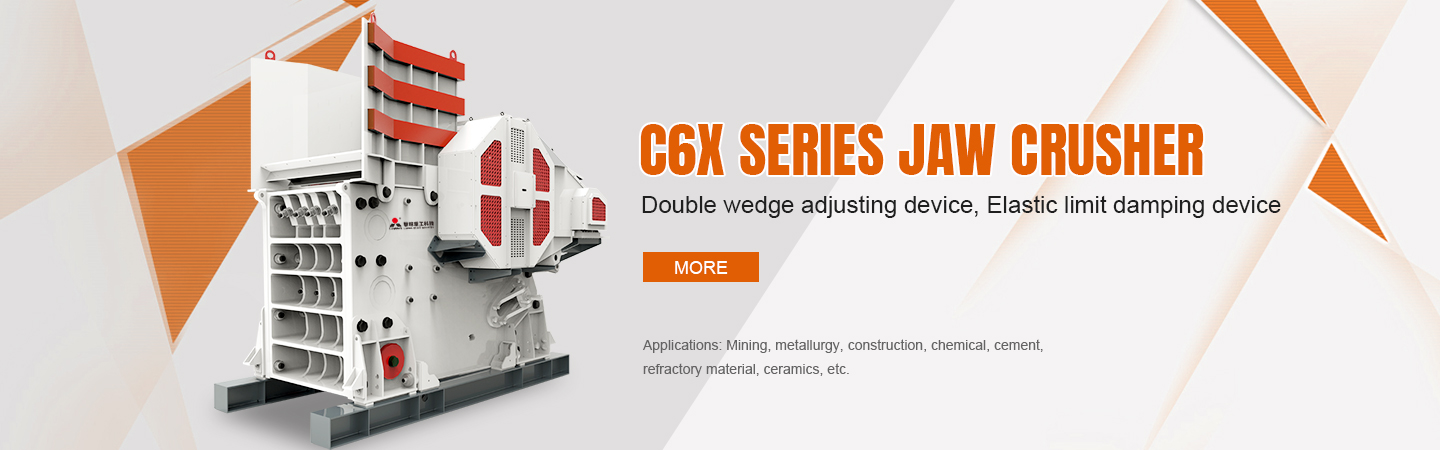
The upfront cost of primary, secondary, and tertiary crushing systems—such as jaw, cone, and impact crushers—varies significantly based on capacity, configuration, and automation level. Entry-level mobile jaw crushers start around $150,000, while fully integrated, high-throughput crushing plants with conveyors and screening systems can exceed $2 million. Technological advancements, including smart sensors and remote monitoring, add 10–20% to base pricing but enhance operational efficiency.
-
Operating costs constitute a critical component of total expenditure. Power consumption, especially in remote mining locations, directly impacts cost-per-ton metrics. High-compression crushers may deliver superior reduction ratios but often require more energy. Diesel-powered units offer mobility but incur higher fuel and emissions management costs compared to electrified systems where grid access permits.
-
Maintenance is a persistent financial obligation. Wear parts—mantles, liners, bearings—require regular replacement, with intervals dependent on feed material abrasiveness and operating hours. A poorly maintained crusher can see downtime costs exceeding $10,000 per day in lost production. Predictive maintenance programs, while adding to operational budgets, reduce unplanned outages and extend equipment life.
-
Labor and training expenses must also be factored. Skilled operators and technicians are essential for optimizing throughput and minimizing mechanical failures. Automation reduces headcount needs but increases demand for technical expertise in diagnostics and control systems.
-
Finally, the residual value and depreciation profile influence net cost. Well-documented, regularly serviced equipment retains 40–60% of initial value after five years, depending on usage intensity. Conversely, harsh operating conditions without proper upkeep can render equipment obsolete in under three years.
-
A comprehensive cost assessment combines these elements to evaluate total cost of ownership, enabling informed procurement decisions aligned with project scale, ore characteristics, and financial objectives.
Factors That Influence Gold Ore Processing Plant Investment
- Scale and throughput capacity
- Ore grade and mineralogy
- Location and infrastructure
- Regulatory and permitting environment
- Technology selection and process complexity
- Capital and operating costs
- Market conditions and gold price volatility
- Environmental and social governance (ESG) requirements
The investment required for a gold ore processing plant is influenced by a confluence of technical, economic, and geopolitical factors. Scale is a primary determinant: plants designed for high throughput—exceeding 1,000 tonnes per day—demand significantly greater capital expenditure due to larger equipment, expanded facilities, and increased automation. However, economies of scale may reduce unit processing costs, affecting long-term financial viability.
Ore characteristics critically affect plant design and cost. Low-grade ores often require more extensive processing, such as carbon-in-leach (CIL) or flotation circuits, increasing both capital and operational outlays. Refractory ores, where gold is locked within sulfide matrices, necessitate pre-treatment via pressure oxidation or bioleaching, further escalating complexity and investment.
Geographic location impacts accessibility to power, water, skilled labor, and transportation networks. Remote sites incur higher logistics and infrastructure development costs, including dedicated power generation and water supply systems. Proximity to smelters or refineries can reduce downstream handling expenses.
Regulatory frameworks vary by jurisdiction and influence permitting timelines, environmental compliance costs, and community engagement obligations. Stringent environmental regulations, particularly in jurisdictions with strong ESG oversight, can mandate advanced tailings management and water recycling systems, directly increasing capital expenditure.
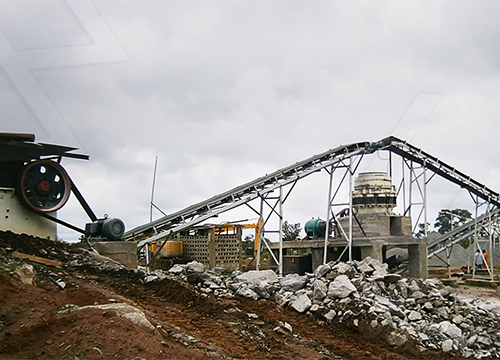
Technology selection must align with ore characteristics and recovery targets. While conventional gravity and cyanidation circuits remain cost-effective for free-milling ores, complex mineralogies may require hybrid flowsheets incorporating flotation, roasting, or leaching under specific conditions—each with distinct cost implications.
Gold price trends and financing conditions shape investment appetite. Elevated gold prices improve project economics, enabling higher capital allocation, while volatile markets demand robust financial modeling and risk mitigation strategies.
Finally, ESG compliance is increasingly central to project approval and operational sustainability. Investors and lenders now prioritize projects demonstrating responsible water use, emissions control, community benefits, and tailings safety, all of which influence both initial investment and ongoing operational expenditures.
Crusher Types and Their Impact on Gold Plant Installation Costs
-
Jaw crushers are typically the primary choice for initial run-of-mine ore reduction due to their robustness and relatively low capital cost. Their simplicity in design translates to faster installation and lower civil works requirements, reducing overall project CAPEX. For smaller or modular gold plants, this can result in significant upfront savings, though throughput limitations may necessitate secondary crushing stages.
-
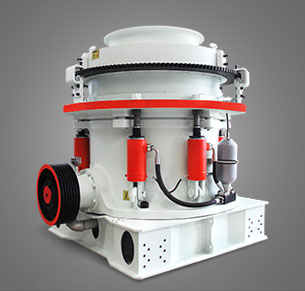
Cone crushers, commonly deployed in secondary and tertiary circuits, offer finer size reduction and higher reduction ratios. While their initial purchase and installation costs are higher than jaw crushers, their efficiency in producing a consistent product size reduces downstream grinding energy demand—a critical cost factor in gold processing. Integration into a crushing circuit requires reinforced foundations and more complex alignment, increasing installation time and associated labor.
-
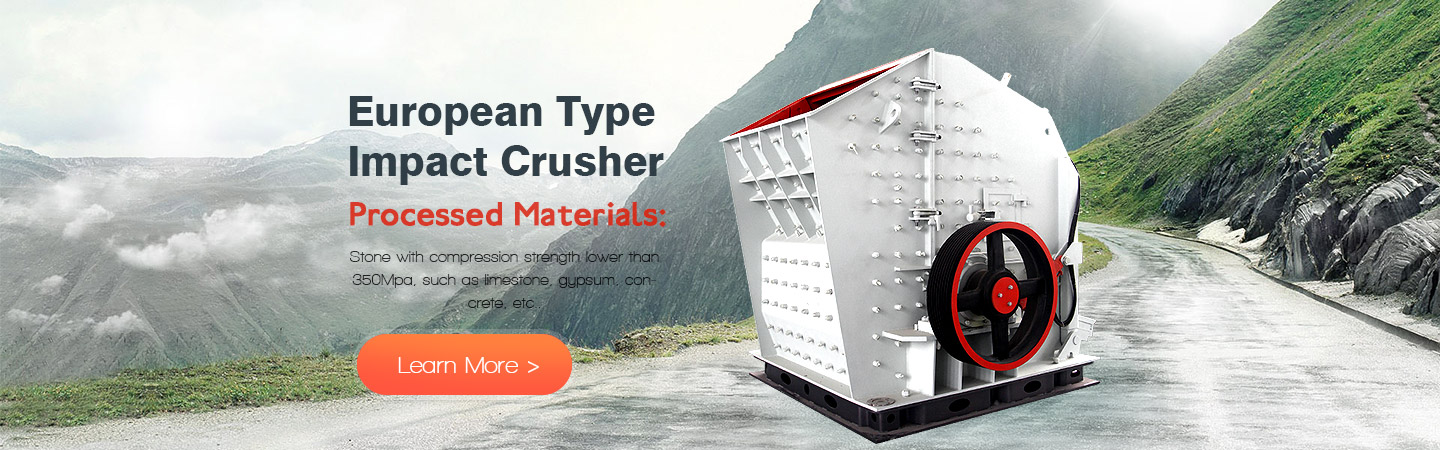
Impact crushers, including horizontal shaft impactors (HSI), are occasionally used in softer ore applications. They provide high reduction ratios in a single pass but suffer from high wear-part consumption when processing abrasive gold-bearing ores. The frequent replacement of blow bars and liners escalates operational costs, often offsetting initial installation savings. Their use is generally discouraged in hard-rock gold installations unless ore characteristics are highly favorable.
-
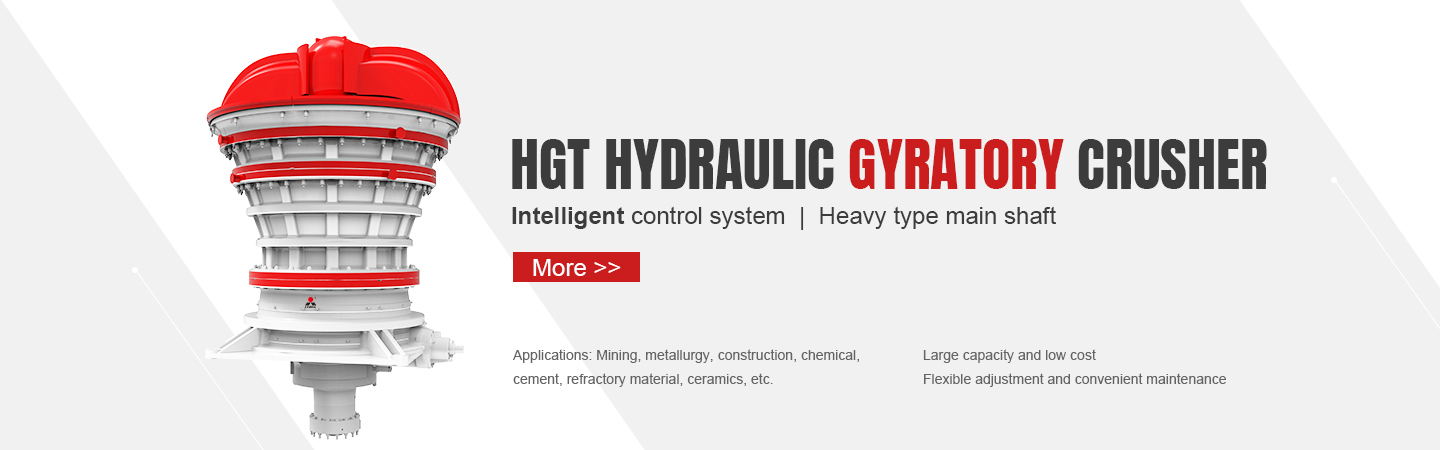
gyratory crushers are preferred in large-scale operations (>500 t/h), where their high throughput and reliability justify the substantial foundation and installation requirements. The elevated CAPEX includes extensive structural support, conveyor integration, and specialized lifting equipment. Despite this, their long-term availability and lower operating costs per ton can improve lifecycle economics.
| Crusher Type | Relative CAPEX | Installation Complexity | Typical Application |
|---|---|---|---|
| Jaw | Low | Low | Primary crushing |
| Cone | Medium | Medium | Secondary/Tertiary |
| Impact (HSI) | Medium | Medium | Soft ore, selective use |
| Gyratory | High | High | High-throughput primary |
The selection of crusher type directly influences both initial installation expenditures and long-term operational efficiency. Site-specific factors—including ore hardness, head grade, production rate, and plant layout—must be analyzed to optimize equipment choice. An improperly matched crusher can inflate installation costs through structural modifications and lead to downstream bottlenecks, undermining project economics.
Complete Gold Processing Plant Pricing: From Jaw Crushers to Refining Units
-
Complete gold processing plants integrate multiple stages—from initial size reduction to final bullion production—and their pricing reflects the complexity, capacity, and technological sophistication of the integrated system.
-
A turnkey plant processing 50–100 tonnes per hour (tph) typically ranges from $2.5 million to $5 million in 2024, inclusive of primary jaw crushers, secondary cone or impact crushers, grinding mills (SAG or ball), gravity separation circuits, flotation units, leaching tanks, and refining systems.
-
Jaw crushers, serving as primary reduction units, start at $80,000 for mobile units (e.g., 30×54 models) and reach $250,000 for heavy-duty, plant-integrated systems. Cone crushers for secondary crushing add $120,000–$300,000 depending on output and automation.
-
SAG and ball mills represent one of the largest cost centers. A 10’x14’ SAG mill costs $800,000–$1.2 million; similarly sized ball mills range from $600,000 to $900,000, with variable-speed drives and liner materials significantly influencing price.
-
Gravity recovery systems, such as Knelson or Falcon concentrators, cost $50,000–$150,000 each. These are often supplemented by flotation cells ($20,000–$40,000 per unit) for fine-grained liberation.
-
Carbon-in-leach (CIL) or carbon-in-pulp (CIP) circuits for 50 tph operations require $400,000–$700,000, including tanks, pumps, screens, and carbon management systems. Refining units—such as electrowinning cells and smelting furnaces—add $150,000–$300,000.
-
Automation and control systems, essential for operational consistency and remote monitoring, contribute 8–12% of total plant cost. Environmental compliance packages (dust suppression, cyanide management, tailings filtration) can increase investment by 10–15%.
-
Regional logistics, import duties, and installation labor further affect final pricing. A plant quoted at $3.8 million FOB China may exceed $5 million delivered and commissioned in Sub-Saharan Africa or remote South America.
-
Used or reconditioned systems offer 30–50% cost reduction but require rigorous inspection for wear and compatibility. Modular plants are gaining traction for remote sites, with pricing efficiency and faster deployment.
-
Total cost of ownership must consider power requirements, maintenance intervals, and recovery efficiency—plants achieving >92% gold recovery justify premium pricing through enhanced lifetime returns.
How to Choose a Cost-Effective Gold Mining Processing Solution
-
Assess ore characteristics thoroughly before selecting equipment. Gold deposit type—whether hard rock, alluvial, or refractory—dictates the appropriate processing method. Hard rock ores typically require jaw crushers, cone crushers, and ball mills, while alluvial deposits may only need trommel screens and sluice systems. Refractory ores often necessitate additional processing such as roasting or pressure oxidation, significantly impacting capital and operational costs.
-
Prioritize modular and scalable plant designs. A modular approach allows phased investment aligned with production goals and ore grade variability. Scalability ensures that initial capital expenditure remains controlled while enabling future expansion without complete system overhaul. This flexibility is crucial in volatile commodity markets where adjusting throughput quickly improves cost efficiency.
-
Evaluate total cost of ownership (TCO), not just upfront price. Include installation, energy consumption, maintenance, labor, and reagent costs over a 5–10 year horizon. For example, high-efficiency grinding mills may have higher initial costs but can reduce energy use by 20–30%, delivering substantial long-term savings. Similarly, automation systems minimize labor expenses and improve operational consistency.
-
Optimize recovery rates through proven metallurgical testing. Conduct bottle roll, column leach, or diagnostic flotation tests to determine optimal grind size, reagent dosage, and retention time. Even a 2–3% increase in recovery can justify investment in advanced processing technologies like carbon-in-leach (CIL) or high-intensity grinding (HIG) mills.
-
Source equipment from established suppliers with local service support. Proximity to technical service networks reduces downtime and spare parts logistics costs. Evaluate supplier track records in similar geological environments to ensure reliability under real-world conditions.
-
Consider hybrid processing configurations where applicable. Combining gravity concentration with cyanidation reduces reagent consumption and improves recovery on free-milling ores. Similarly, sensor-based ore sorting can pre-concentrate feed material, lowering downstream processing volumes and energy use.
-
Conduct third-party feasibility reviews before final procurement. Independent validation of process design, equipment selection, and cost projections mitigates risk and ensures alignment with industry benchmarks. In 2024, emerging digital twins and simulation tools further enhance accuracy in predicting plant performance and lifecycle costs.
Frequently Asked Questions
What factors influence the cost of a gold mining crushing and processing plant?
The cost of a gold mining crushing and processing plant is influenced by multiple factors including plant capacity (measured in tons per hour), level of automation, type of ore being processed, recovery method (e.g., gravity, flotation, or cyanidation), equipment configuration, and geographic location. Additional variables include regulatory compliance requirements, infrastructure availability, and whether the plant is modular or fixed. Custom engineering and integration with existing operations also significantly impact pricing.
How much does a small-scale gold processing plant typically cost?
A small-scale gold processing plant, capable of processing 5 to 30 tons per hour, typically ranges from $200,000 to $1 million. Costs depend on whether the system includes crushing, grinding, gravity separation (e.g., centrifugal concentrators), and/or leaching circuits. Fully automated modular systems with integrated environmental controls will be on the higher end of the price range.
What is the average price range for a medium to large gold mining plant?
Medium to large gold mining plants processing 50 to 500+ tons per hour generally range from $2 million to over $20 million. The upper end includes complete flowsheets with jaw and cone crushers, SAG or ball mills, CIL/CIP circuits, tailings management systems, and advanced process control systems. Fully engineered, EPCM-managed installations in remote areas can exceed $30 million when logistics and site preparation are factored in.
Are modular gold processing plants more cost-effective than fixed plants?
Yes, modular gold processing plants are often more cost-effective due to factory-built construction, reduced on-site labor, faster deployment, and lower engineering costs. Modular plants can reduce installation time by up to 50%, lowering capital costs and accelerating time to production. They are particularly economical for remote or temporary operations and offer scalability. However, long-term large-scale operations may benefit more from fixed plants in terms of operational efficiency.
What equipment is included in a standard gold crushing and processing circuit?
A standard gold processing circuit includes primary and secondary crushers (jaw and cone/impact), vibrating feeders and screens, ore bins, grinding mills (ball or rod mills), gravity recovery systems (e.g., shaking tables, Knelson concentrators), and leaching adsorption circuits (CIL/CIP with carbon columns). Additional components include pumps, thickeners, filters, tailings pumps, and control systems. The exact configuration varies based on ore characteristics and desired recovery rates.
How do tonnage capacity and recovery efficiency affect plant pricing?
Tonnage capacity directly impacts equipment sizing and quantity, driving capital and operational costs. A plant designed for higher throughput requires larger crushers, bigger mills, and more robust material handling systems—increasing price exponentially rather than linearly. Similarly, higher recovery efficiency demands advanced technologies like fine grinding, oxygen-boosted leaching, or flotation, which elevate both CAPEX and OPEX. Expertly optimized designs balance recovery gains against cost.
What are the typical maintenance and operating costs for a gold processing plant?
Operating costs (OPEX) for gold processing plants average $15 to $40 per ton, depending on scale, energy costs, labor, reagents (e.g., cyanide, lime), and maintenance. Maintenance typically accounts for 30–40% of OPEX and includes wear parts (liners, screens, grinding media), lubrication, and scheduled downtime. Highly automated plants reduce labor costs but may have higher technical maintenance requirements. Life-cycle cost analysis is essential for economic evaluation.
Can used or refurbished gold processing plants provide reliable performance?
Yes, used or refurbished gold processing plants can offer reliable performance if sourced from reputable suppliers and thoroughly audited. Key components like crushers and mills often have long service lives when properly maintained. However, buyers must assess wear levels, compatibility with current regulations, and integration requirements. Refurbished systems typically cost 30–60% less than new plants, making them ideal for budget-conscious operations with technical oversight.
How does ore hardness impact equipment selection and plant cost?
Ore hardness, measured by Bond Work Index or Axb Value, significantly affects grinding energy requirements and wear on equipment. Harder ores necessitate robust crushers, higher-power mills, and durable liners—increasing both CAPEX and OPEX. For example, handling high-hardness ore may require SAG mills instead of rod mills, pushing plant costs up significantly. Pre-feasibility testwork is crucial for accurate equipment and cost modeling.
What role does process testing play in determining plant design and cost?
Process testing—including bottle roll, column leach, and diagnostic metallurgy—determines optimal recovery methods, residence times, and reagent consumption. This data directly informs plant design, equipment sizing, and flow sheet configuration. Skipping proper testwork can lead to underperformance and costly retrofits. Investing $50,000–$200,000 in metallurgical testing can prevent multi-million-dollar design errors and ensure CAPEX efficiency.
Are turnkey gold processing plants worth the premium cost?
Turnkey gold processing plants, delivered with full engineering, equipment, installation, and commissioning, often carry a 15–30% premium over self-managed projects. However, they reduce project risk, ensure compliance, accelerate startup, and include performance guarantees. For operators lacking in-house engineering capacity, the premium is typically justified by faster ROI and avoidance of cost overruns.
How do environmental and permitting requirements affect plant pricing?
Environmental regulations impact plant pricing through required design features such as closed-loop water systems, tailings storage facilities (TSF), dust suppression, cyanide detox systems, and real-time monitoring. Compliance with standards like ISO 14001 or local EPA rules adds $200,000 to several million depending on scale. Early engagement with regulators and integrated ESG planning can mitigate cost escalation and delays.