
Table of Contents
- Understanding the 3000TPD Crusher Plant: A Backbone of High-Volume Mineral Processing
- Key Components and Configuration in a 3000-Ton-Per-Day Crushing System
- Optimizing Throughput and Reliability in 3000TPD Crushing Operations
- Energy Efficiency and Maintenance Strategies for Large-Scale Crusher Plants
- Applications and Industry Impact of 3000TPD Crushing Plants in Mining and Quarrying
- Frequently Asked Questions
- What is a 3000TPD crusher plant and what industries use it?
- What components are essential in a 3000TPD crusher plant configuration?
- How do you optimize throughput and efficiency in a 3000TPD crusher plant?
- What are the power requirements for a 3000TPD crusher plant?
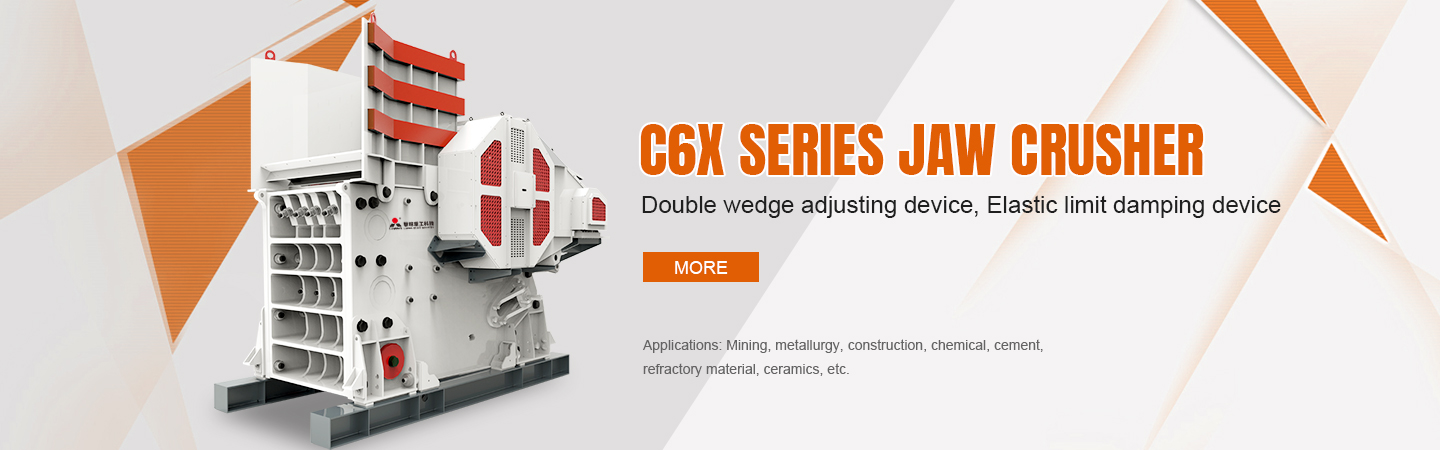
- What types of crushers are best suited for a 3000TPD operation?
- How much civil and structural work is needed for installing a 3000TPD crusher plant?
- What maintenance protocols ensure longevity of a 3000TPD crusher plant?
- What environmental and regulatory considerations apply to 3000TPD crusher plants?
- How does feed material variability impact 3000TPD crusher plant performance?
- Can a 3000TPD crusher plant be modular or mobile?
- What safety systems are critical in a 3000TPD crusher plant?
- How do automation and IoT improve 3000TPD crusher plant operations?
In the rapidly evolving landscape of large-scale mining operations, the 3000TPD crusher plant stands as a cornerstone of efficiency, reliability, and high-volume mineral processing. Designed to handle three thousand tons of raw material per day, this robust system integrates advanced engineering with precision components to deliver consistent throughput and optimal particle size reduction. From primary gyratory crushers to sophisticated screening and conveying modules, every element is meticulously selected to ensure seamless operation under demanding conditions. As mining enterprises strive to maximize productivity while minimizing downtime and operational costs, the design and configuration of a 3000TPD plant play a pivotal role in achieving sustainable performance. This article explores the critical components, innovative design principles, and operational strategies that define the success of these high-capacity crushing systems, offering insights into how modern mining operations can leverage technological advancements to enhance efficiency, reduce maintenance burdens, and maintain a competitive edge in an increasingly resource-intensive industry.
Understanding the 3000TPD Crusher Plant: A Backbone of High-Volume Mineral Processing
-
The 3000TPD (tons per day) crusher plant represents a critical infrastructure component in large-scale mining operations, engineered to deliver consistent throughput and reliability under demanding conditions. Designed for high-volume mineral processing, these plants serve as the primary size-reduction stage, transforming run-of-mine ore into manageable feedstock suitable for downstream processing such as grinding, classification, and beneficiation.
-
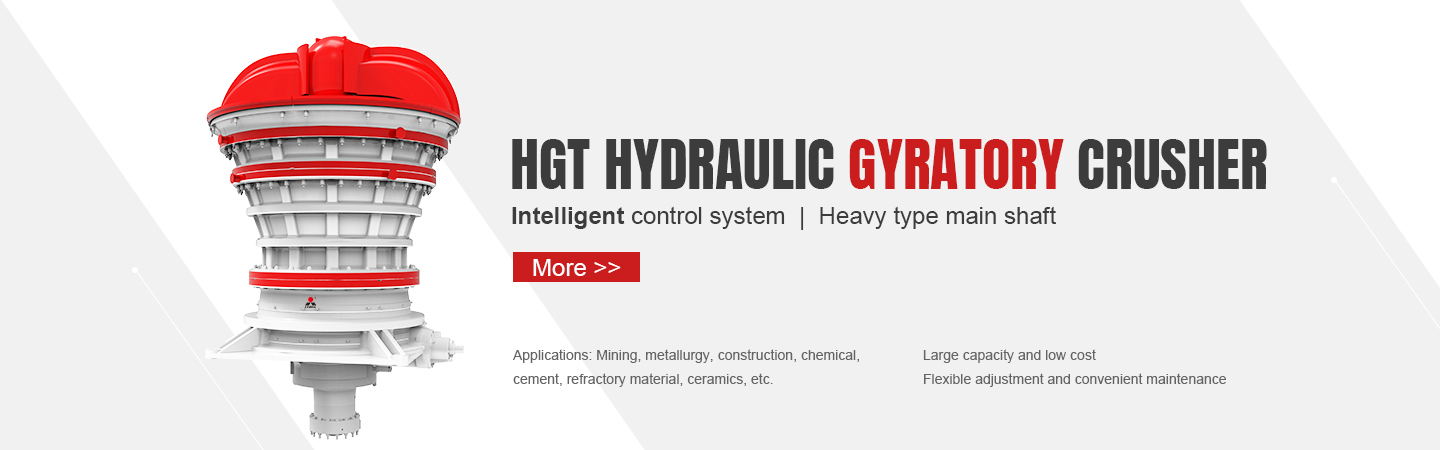
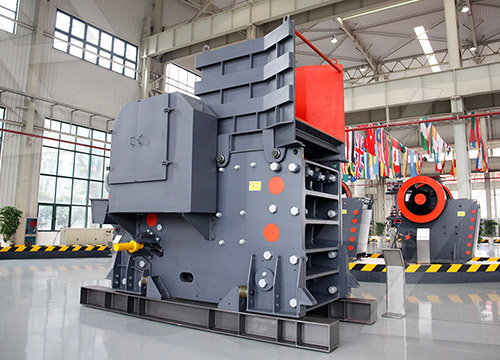
At its core, a 3000TPD crusher plant integrates multiple subsystems—primary and secondary crushing, screening, material handling, and process control—into a cohesive system optimized for maximum uptime and throughput efficiency. Primary crushing typically employs a robust jaw or gyratory crusher capable of handling large feed sizes up to 1.2 meters, reducing material to approximately 150–200 mm. Secondary and tertiary stages, often utilizing cone or impact crushers, further refine the product to final specifications, commonly in the 10–40 mm range, depending on ore characteristics and downstream requirements.
-
Material flow is maintained through an engineered arrangement of vibrating feeders, conveyors, and scalping screens, ensuring even distribution and minimizing bottlenecks. Closed-circuit configurations with recirculating conveyors enhance product consistency by returning oversized material for re-crushing. Automation systems monitor feed rates, crusher load, power consumption, and bearing temperatures in real time, enabling predictive maintenance and operational adjustments.
-
Plant layout and component selection are influenced by ore hardness (measured via Bond Work Index or A×b values), moisture content, and production targets. For abrasive ores, wear-resistant liners and crusher components are essential to maintain efficiency and reduce downtime. Modular designs are increasingly favored for rapid deployment, scalability, and ease of maintenance in remote mining locations.
-
Operational efficiency hinges on balancing throughput with energy consumption and wear costs. A well-designed 3000TPD plant achieves specific energy consumption below 0.8 kWh/ton while maintaining availability exceeding 90%. Regular performance audits, coupled with digital twin modeling and real-time data analytics, ensure sustained optimization across the plant lifecycle.
Key Components and Configuration in a 3000-Ton-Per-Day Crushing System
-
Primary Crusher: A gyratory crusher is typically selected for primary reduction due to its high throughput capacity and ability to handle large feed sizes. Positioned at the head of the system, it reduces run-of-mine material from up to 1.5 meters to approximately 150–200 mm. Critical configuration parameters include closed-side setting (CSS), eccentric speed, and cavity design, all optimized for consistent product size and minimal wear.
-
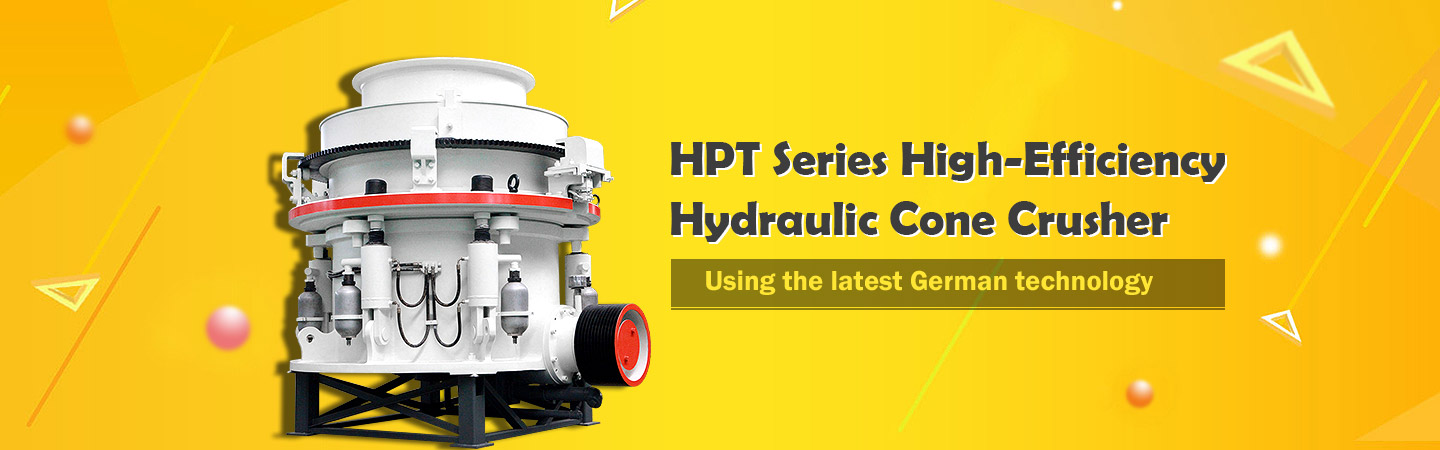
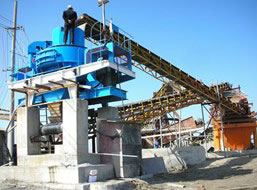
Secondary and Tertiary Crushing: Cone crushers are employed in secondary and tertiary stages to progressively reduce material to the target discharge size, typically 15–25 mm. Multi-stage crushing circuits use compound configurations—often two stages of standard and short-head cone crushers—to enhance product shape and size distribution. Automation systems regulate feed rate and CSS to maintain optimal throughput and product quality.
-
Vibrating Feeders and Grizzlies: A heavy-duty apron or vibrating grizzly feeder ensures uniform material flow into the primary crusher while pre-screening out fines. This reduces crusher overload and improves downstream efficiency. Grizzly aperture size is calibrated to pass undersized material directly to conveyors, bypassing unnecessary crushing.
-
Conveyor Systems: High-capacity, belt-wide conveyors (typically 1.8–2.0 m width) transport material between stages. Design incorporates variable-speed drives and impact beds to manage surge loading. Monitoring systems track belt alignment, speed, and load distribution to prevent downtime.
-
Screening Units: In closed-circuit configurations, inclined or horizontal vibrating screens classify crushed material, returning oversize fractions for re-crushing. Screen media selection—polyurethane or modular rubber—is based on wear life and plugging resistance.
-
Dust Suppression and Ventilation: Integrated water spray systems at transfer points and enclosed conveyor galleries minimize airborne dust. Baghouse collectors at key nodes maintain air quality and comply with environmental standards.
-
Control and Automation: A centralized PLC-based control system monitors crusher load, power draw, vibration, and temperature. Real-time diagnostics enable predictive maintenance and optimize energy consumption. Remote HMI interfaces allow operators to adjust setpoints dynamically based on feed variability.
-
Structural and Civil Considerations: Foundations are engineered for dynamic loads, with seismic and vibration isolation. Crusher housings and support structures use high-strength steel to ensure longevity under continuous operation.
This configuration ensures sustained 3,000 tpd throughput with high availability, low operating costs, and consistent product gradation suitable for downstream processing.
Optimizing Throughput and Reliability in 3000TPD Crushing Operations
-
Implement robust feed control systems to maintain consistent material flow into primary crushers, minimizing surge loading and optimizing throughput. Utilize feeders with variable frequency drives (VFDs) for real-time adjustment based on downstream capacity and material characteristics.
-
Size-classify raw feed using scalping screens or grizzlies prior to primary crushing to bypass undersized material, reducing crusher wear and increasing effective throughput. This selective processing enhances equipment utilization and decreases energy consumption per ton.
-
Select crusher types based on ore hardness and abrasiveness; for 3000TPD operations, a two- or three-stage crushing circuit with a primary gyratory or large jaw crusher followed by secondary and tertiary cone or impact crushers typically delivers optimal size reduction efficiency and product consistency.
-
Integrate closed-circuit crushing with automated screen feedback loops to ensure undersized material exits the circuit while oversized material recirculates, maintaining strict product size specifications and reducing over-crushing.
-
Employ predictive maintenance strategies supported by vibration monitoring, oil analysis, and thermal imaging to detect early signs of bearing degradation, misalignment, or lubrication failure. Scheduled component replacements based on operational data minimize unplanned downtime.
-
Design conveyor systems with redundancy, high-capacity idlers, and belt tracking controls to sustain material transport reliability. Utilize belt scales and tramp metal detectors to monitor tonnage and protect downstream equipment.
-
Optimize crusher closed-side settings (CSS) dynamically using automated CSS adjustment systems that respond to feed variation and wear, maintaining consistent product gradation and maximizing throughput over liner life.
-
Centralize plant control via a distributed control system (DCS) or SCADA platform to enable real-time monitoring of key performance indicators—such as power draw, feed rate, and crusher load—and facilitate rapid response to process deviations.
-
Conduct regular circuit audits to assess bottleneck points, screen efficiency, and material segregation. Use discrete element modeling (DEM) simulations to evaluate material flow and validate design modifications.
-
Train operations personnel in best practices for startup, shutdown, and responsive control actions. Competency in interpreting performance data ensures timely intervention and sustained peak efficiency.
-
Source wear parts from original equipment manufacturers or certified suppliers to ensure dimensional accuracy and metallurgical integrity, directly impacting crusher uptime and product quality.
Through disciplined integration of equipment selection, automation, maintenance discipline, and operational training, 3000TPD crushing circuits achieve sustained throughput at design capacity while minimizing lifecycle operating costs.
Energy Efficiency and Maintenance Strategies for Large-Scale Crusher Plants
-
Implementing energy-efficient operations in large-scale 3000TPD crusher plants begins with optimizing equipment selection and power utilization across the crushing circuit. Primary, secondary, and tertiary crushers should be matched precisely to the feed characteristics and desired product size distribution to minimize redundant size reduction and energy waste. Utilizing high-efficiency motors, variable frequency drives (VFDs), and soft starters allows dynamic adjustment of crusher speed and power draw based on real-time load, significantly reducing peak demand and mechanical stress.
-
Closed-circuit configurations with advanced screening and feedback conveyors enhance throughput efficiency by ensuring oversize material is recirculated only when necessary. Advanced process control systems integrated with real-time monitoring—such as power consumption, vibration, and feed flow sensors—enable predictive adjustments that maintain optimal specific energy consumption (kWh/ton). Data-driven models can identify inefficiencies such as underloading or choke feeding, both of which increase energy use per ton processed.
-
Maintenance strategies must be proactive, not reactive. A structured preventive maintenance (PM) program ensures wear parts—mantles, concaves, liners, and bearings—are inspected and replaced according to predictive analytics rather than fixed schedules. Oil analysis, thermography, and vibration monitoring detect early signs of component degradation, minimizing unplanned downtime and preventing cascading failures.
-
Lubrication systems require consistent monitoring; improper lubrication is a leading cause of bearing failure in large gyratory and cone crushers. Automated lubrication systems with pressure and temperature feedback reduce human error and ensure operational continuity.
-
Training operational and maintenance teams on energy-aware practices enhances compliance with efficiency protocols. Standard operating procedures should emphasize optimal start-up, shutdown, and load-balancing sequences to reduce energy spikes.
-
Finally, conducting periodic energy audits and benchmarking performance against industry standards (e.g., kW/ton of material processed) identifies improvement areas. Retrofitting outdated motors, upgrading to high-efficiency drives, or reconfiguring conveyor alignments can yield double-digit energy savings over time. Sustainable efficiency in 3000TPD operations stems from the integration of intelligent design, continuous monitoring, and disciplined maintenance execution.
Applications and Industry Impact of 3000TPD Crushing Plants in Mining and Quarrying
-
High-throughput 3000TPD (tons per day) crushing plants are instrumental in modern mining and large-scale quarrying operations, where consistent material reduction and processing efficiency directly influence profitability and operational scalability. These plants are engineered to handle abrasive and high-density feed materials such as granite, basalt, and iron ore, making them indispensable in hard-rock mining and infrastructure-grade aggregate production.
-
In mining applications, 3000TPD plants serve as primary or secondary crushing stages, enabling efficient liberation of valuable minerals from host rock. Their robust design supports continuous operation under extreme loads, minimizing downtime and ensuring stable feed to downstream processes such as grinding and beneficiation. Integration with advanced automation systems allows real-time monitoring of throughput, particle size distribution, and equipment health, enhancing overall process control and reducing energy consumption per ton processed.
-
Within the quarrying sector, these plants are pivotal in supplying aggregates for road construction, concrete batching, and large civil engineering projects. The ability to produce consistent, specification-grade material—ranging from coarse riprap to fine concrete aggregates—positions 3000TPD systems as core assets in vertically integrated operations. Modular configurations facilitate relocation and rapid commissioning, a critical advantage in quarries with phased extraction plans or remote locations.
-
From an operational standpoint, the economic impact of deploying a 3000TPD plant lies in its scalability and energy efficiency. When designed with optimized crusher cavities, variable-speed drives, and closed-circuit screening, these systems achieve high reduction ratios while minimizing fines generation and power draw. The use of wear-resistant alloys and predictive maintenance technologies extends component life, reducing lifecycle costs.
-
Environmentally, modern 3000TPD installations incorporate dust suppression, noise attenuation, and water recycling systems, aligning with stringent regulatory frameworks. Their deployment supports sustainable resource utilization by maximizing yield from extracted material and reducing waste through precise size classification. As mining and construction sectors demand greater throughput with lower environmental footprints, 3000TPD crushing plants remain a cornerstone of efficient, scalable material processing.
Frequently Asked Questions
What is a 3000TPD crusher plant and what industries use it?
A 3000TPD (tons per day) crusher plant is an industrial-scale mineral processing facility designed to crush raw materials at a throughput capacity of 3,000 metric tons in 24 hours. It is commonly used in mining, quarrying, cement production, and large-scale infrastructure projects where consistent and high-volume material size reduction is required. These plants typically feature primary, secondary, and tertiary crushing stages, integrated conveyors, and screening units for optimized output.
What components are essential in a 3000TPD crusher plant configuration?
A fully operational 3000TPD crusher plant includes a vibrating feeder, jaw crusher (primary), cone or impact crusher (secondary), fine crusher (tertiary, if needed), multi-deck vibrating screens, belt conveyors, dust suppression systems, control panels, and steel support structures. Auxiliary systems such as lubrication units, hydraulic adjustments, and centralized PLC-based automation are critical for efficient and safe operation.
How do you optimize throughput and efficiency in a 3000TPD crusher plant?
Efficiency is maximized through proper material flow design, correct crusher selection based on feed characteristics, regular maintenance schedules, real-time performance monitoring via SCADA systems, and minimizing downtime with predictive maintenance. Pre-screening to remove undersized material and maintaining optimal feed gradation also enhance throughput and reduce wear on critical components.
What are the power requirements for a 3000TPD crusher plant?
A 3000TPD crusher plant typically requires between 1,200 to 1,800 kW of electrical power, depending on the crusher configuration, material hardness, and reduction ratio. Power distribution must support high-starting torque motors, especially for primary crushers, and include power factor correction units and overload protection for stable operation.
What types of crushers are best suited for a 3000TPD operation?
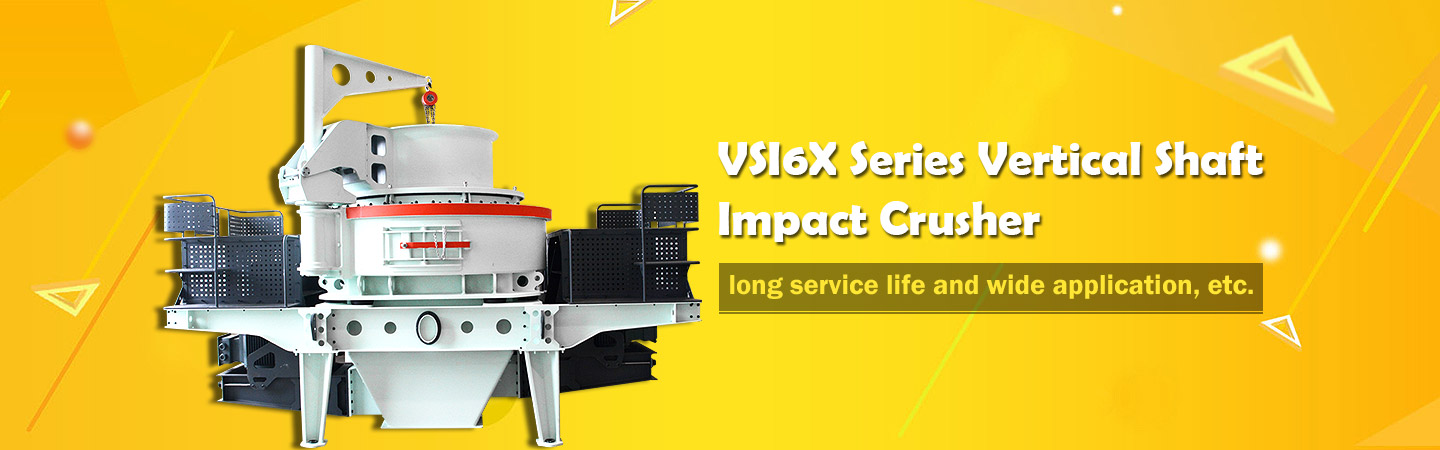
For high-capacity operations, a combination of a robust jaw crusher (primary), high-efficiency cone crusher (secondary), and vertical shaft impact (VSI) crusher (tertiary for cubicle aggregates) is ideal. The selection depends on the feed material (e.g., granite, limestone, basalt) and desired product specifications such as size, shape, and grading.
How much civil and structural work is needed for installing a 3000TPD crusher plant?
Installation requires significant civil engineering: reinforced concrete foundations for heavy machinery, structural steel for supports and walkways, drainage systems, access roads, and dust control infrastructure. Engineering must account for dynamic loads, seismic factors, and future expansion. Detailed geotechnical surveys and structural analysis are imperative prior to construction.
What maintenance protocols ensure longevity of a 3000TPD crusher plant?
Expert maintenance includes daily inspections, weekly lubrication of bearings and moving parts, monthly wear part assessments (e.g., mantle, concave, liners), quarterly alignment checks, and annual shutdown audits. Implementing condition monitoring tools—such as vibration analysis, oil sampling, and thermal imaging—extends equipment life and prevents unexpected failures.
What environmental and regulatory considerations apply to 3000TPD crusher plants?
Compliance with local environmental regulations is mandatory, including noise control (≤85 dB at boundary), dust emission limits (often requiring baghouse filters or water sprays), and runoff water management. Environmental Impact Assessments (EIA), permits for air/water discharge, and adherence to ISO 14001 standards are typically required for legal operation.
How does feed material variability impact 3000TPD crusher plant performance?
Inconsistent feed size, moisture content, or abrasiveness can cause reduced throughput, increased wear, and blockages. Installing pre-screening, controlled feeding systems (e.g., grizzly feeders), and moisture conditioning units helps stabilize input and protects downstream equipment, ensuring continuous rated capacity.
Can a 3000TPD crusher plant be modular or mobile?
Yes, modern 3000TPD plants are available in modular or semi-mobile configurations, especially for remote mining or temporary projects. These units feature pre-engineered skid-mounted components, quick assembly, and transportability via standard trucks, reducing installation time and infrastructure costs while maintaining high productivity.
What safety systems are critical in a 3000TPD crusher plant?
Essential safety systems include emergency stop circuits, misalignment switches on conveyors, fire detection systems, interlocked access guards, dust explosion venting, and PPE compliance enforcement. Remote monitoring and automated shutdown protocols for overloads, blockages, or overheating prevent accidents and enhance operational safety.
How do automation and IoT improve 3000TPD crusher plant operations?
Advanced automation using PLCs, SCADA, and IoT sensors enables real-time monitoring of crusher load, motor current, temperature, and vibration. Predictive analytics optimize maintenance, adjust crusher settings dynamically, and provide remote diagnostics, significantly improving availability, reducing costs, and ensuring consistent product quality.