


Table of Contents
- Exploring the Geology Behind Southwest Florida’s Aggregate Resources
- Major Active Aggregate Mining Sites Across Southwest Florida
- Environmental Regulations and Sustainable Mining Practices in the Region
- The Role of Aggregate Mines in Local Construction and Infrastructure Growth
- Transportation and Distribution Networks for Southwest Florida’s Aggregates
- Frequently Asked Questions
- What are the primary types of aggregates mined in Southwest Florida?
- How do environmental regulations impact aggregate mining operations in Southwest Florida?
- What geological factors make Southwest Florida suitable for aggregate extraction?
- Which companies operate major aggregate mines in Southwest Florida?
- How does aggregate mining support infrastructure development in Southwest Florida?
- What reclamation techniques are used after aggregate mining in this region?
- Are there water supply concerns related to aggregate dewatering in Southwest Florida?
- How do land use policies affect the availability of new aggregate mining sites?
- What role does aggregate mining play in coastal construction resilience?
- How are transportation logistics optimized for aggregate distribution in Southwest Florida?
- What technological advancements are improving efficiency in Southwest Florida’s aggregate mining?
- How do aggregate producers mitigate noise and dust in residential-adjacent mines?
Beneath the sun-drenched landscapes of Southwest Florida lies a vital yet often overlooked foundation of regional development—aggregate mines. These industrial operations extract essential materials like limestone, sand, and gravel, forming the backbone of infrastructure projects ranging from highways and bridges to residential developments and commercial centers. Strategically located across counties such as Lee, Collier, and Hendry, Southwest Florida’s aggregate mines play a pivotal role in meeting the construction demands of one of the nation’s fastest-growing regions. Utilizing advanced extraction techniques and rigorous environmental stewardship, these operations balance productivity with sustainability, ensuring long-term resource availability. Beyond their geological significance, aggregate mines contribute substantially to the local economy—generating jobs, supporting ancillary industries, and providing critical tax revenue. As urban expansion continues to reshape the region’s skyline, the importance of these mining operations becomes increasingly apparent, anchoring progress with the very materials that build modern life.
Exploring the Geology Behind Southwest Florida’s Aggregate Resources
-
Southwest Florida’s aggregate resources are fundamentally rooted in the region’s Cenozoic sedimentary framework, shaped by marine transgressions, sea-level fluctuations, and carbonate deposition over the past 65 million years. The primary geologic formations yielding commercial aggregate are the Miocene-age Hawthorn Group and the overlying Pliocene to Pleistocene-aged Fort Thompson and Caloosahatchee Formations. These units contain economically viable deposits of limestone, sand, and shell-rich gravels that serve as critical construction materials.
-
The Hawthorn Group, particularly its Tampa Member, consists of phosphatic sands, clays, and dolomitic limestone. While historically targeted for phosphate, select zones provide durable crushed stone after beneficiation. Overlying units, especially the Fort Thompson Formation, are more directly exploited for aggregate. These shallow, unconsolidated to semi-consolidated carbonate sediments were deposited in shallow marine and estuarine environments, resulting in well-sorted, clean limestones and coquinas with high particle integrity.
-
Lithologically, the dominant aggregate materials are fossiliferous limestone and calcarenite—grain-supported carbonates composed predominantly of fragmented marine shells and skeletal debris. These materials exhibit sufficient compressive strength and abrasion resistance for use in road base, concrete, and asphalt applications. The depositional homogeneity and lateral continuity of these units allow for predictable resource delineation and efficient mine planning.
| Formation | Age | Primary Lithology | Aggregate Suitability |
|---|---|---|---|
| Hawthorn Group (Tampa Member) | Miocene | Dolomitic limestone, phosphatic sand | Moderate (requires processing) |
| Fort Thompson Formation | Pliocene–Pleistocene | Fossiliferous limestone, calcarenite | High |
| Caloosahatchee Formation | Pleistocene | Shelly sand, coquina | Moderate to High |
-
Hydrogeologic conditions significantly influence mining operations. The water table in southwest Florida is typically shallow, necessitating extensive dewatering systems to maintain pit stability and operational efficiency. Furthermore, karst features—such as sinkholes and solution cavities—are common due to the solubility of carbonate units, requiring detailed geotechnical assessments prior to and during extraction.
-
Resource sustainability is contingent on precise geologic modeling using borehole data, geophysical surveys, and core analysis. These methods enable accurate reserve estimation and minimize environmental disturbance by optimizing extraction footprints. As urban development expands, the balance between resource availability and land-use constraints intensifies, underlining the importance of geologic foresight in long-term aggregate supply planning.
Major Active Aggregate Mining Sites Across Southwest Florida
-
Vulcan Materials Company – Fort Myers Plant (Lee County)
Located east of Fort Myers along State Road 82, this site is one of the largest active aggregate operations in Southwest Florida. Primarily extracting high-quality limestone from shallow depths, the facility produces crushed stone and manufactured sand used extensively in highway infrastructure, commercial developments, and residential construction. Equipped with advanced crushing and screening systems, the plant sustains high throughput with minimal environmental disruption. Reclamation efforts are ongoing in exhausted zones, adhering to FDEP and county land use regulations. -
Old Castle Materials – North Fort Myers Quarry (Lee County)
Situated along the Orange River, this limestone quarry supplies both bulk aggregate and specialty products for structural and drainage applications. The operation spans over 600 acres, with phased extraction ensuring long-term resource availability. Water management systems mitigate runoff, and real-time monitoring maintains compliance with environmental standards. The site is a key supplier for transportation projects under the Florida Department of Transportation’s District Four. -
Cemex USA – Central Florida Quarry (northern Collier County)
Positioned near the Lee–Collier county line, this site accesses a deep limestone formation, enabling production of high-specification aggregates for precast concrete and asphalt mix. Despite its remote location, logistical planning allows efficient distribution across Southwest Florida’s growing metropolitan corridors. The operation incorporates dust suppression technology and noise abatement measures to minimize community impact. -
Martin Marietta Materials – LaBelle Facility (Hendry County)
Though smaller in scale, this site plays a strategic role in regional supply chains, particularly for agricultural and rural infrastructure projects. The quarry extracts dolomitic limestone suited for road base and utility bedding applications. The facility supports local economies through direct employment and contracted hauling services. -
Florida Rock Industries – Estero Bay Vicinity (Lee County)
This coastal-adjacent site focuses on sand and gravel resources critical for coastal resilience initiatives. Mining operations are closely coordinated with hydrological assessments to protect adjacent wetlands. Products are in high demand for beach renourishment, shoreline stabilization, and stormwater management systems.
Each of these operations functions under stringent regulatory oversight from the Florida Department of Environmental Protection and local water management districts. Combined, they supply over 70% of the region’s structural and base-course aggregate needs, supporting over $2.1 billion in annual construction activity and directly employing more than 450 workers.
Environmental Regulations and Sustainable Mining Practices in the Region
-
Southwest Florida’s aggregate mining sector operates under a stringent environmental regulatory framework designed to balance resource extraction with ecological protection. Primary oversight is administered by the Florida Department of Environmental Protection (FDEP), in coordination with local water management districts—particularly the Southwest Florida Water Management District (SWFWMD)—and federal agencies such as the U.S. Army Corps of Engineers under the Clean Water Act.
-
All aggregate mining operations require multiple permits, including a Mining and Environmental Resource Permit (MERP), which mandates detailed reclamation plans, hydrogeological assessments, and stormwater management strategies. These permits enforce compliance with surface water quality standards, wetland mitigation requirements, and limits on groundwater withdrawal to protect sensitive aquifer systems, including the Floridan Aquifer.
-
Sustainable practices are increasingly embedded in operational protocols. Progressive reclamation—where mined areas are restored concurrently with extraction—minimizes long-term land disturbance. Post-mining land use often transitions to conservation, agriculture, or recreational development, with successful examples including the restoration of wetland ecosystems and creation of stormwater retention basins.
-
Dust and noise mitigation, spill prevention, and real-time water quality monitoring are standard operational components. Operators utilize low-impact equipment, vegetative buffers, and enclosed conveyance systems to reduce off-site impacts. Many mines participate in third-party environmental audits and adopt ISO 14001-aligned management systems to demonstrate accountability.
-
Regional geology—characterized by karst topography and proximity to estuarine systems such as Charlotte Harbor and the Caloosahatchee River—necessitates elevated safeguards. Buffer zones, directional drilling, and aquifer protection plans are enforced to prevent sinkhole formation and saltwater intrusion.
-
The industry collaborates with environmental groups and academic institutions to advance best practices. Research partnerships focus on soil stabilization techniques, biodiversity monitoring, and adaptive reclamation methodologies tailored to subtropical climates.
-
Compliance is rigorously monitored, with violations subject to enforcement actions, fines, or permit suspension. Transparency through public environmental reports and stakeholder engagement further reinforces regulatory adherence.
-
Overall, Southwest Florida’s aggregate mining sector exemplifies a regulated, adaptive model where environmental stewardship and economic necessity are systematically aligned.
The Role of Aggregate Mines in Local Construction and Infrastructure Growth
-
Aggregate mines serve as foundational contributors to local construction and infrastructure development across Southwest Florida, supplying essential materials such as crushed stone, sand, and gravel. These materials form the backbone of concrete, asphalt, road bases, and structural fill—components critical to building roads, bridges, residential developments, and commercial facilities.
-
The proximity of aggregate mines to major growth corridors in Lee, Collier, and Charlotte counties significantly reduces transportation costs and project timelines. Local sourcing ensures a consistent supply chain, minimizing delays due to material shortages and mitigating vulnerability to external supply disruptions. This logistical advantage is particularly vital in a region experiencing rapid population growth and extensive urban expansion.
-
Infrastructure projects such as road widening, stormwater management systems, and utility extensions rely heavily on locally extracted aggregates. For instance, major transportation initiatives like the widening of I-75 and the expansion of local arterial roads depend on steady deliveries of base-grade limestone and sand. These materials ensure structural integrity and long-term durability under Florida’s unique climatic and soil conditions.
-
In addition, residential and commercial development—driven by in-migration and economic expansion—requires vast quantities of aggregates for foundations, driveways, and site preparation. On-site availability from regional mines supports efficient vertical construction and reduces the environmental footprint associated with long-haul transportation.
-
The economic impact extends beyond material supply. Aggregate mining operations generate direct and indirect employment, support ancillary industries such as equipment maintenance and logistics, and contribute to municipal revenues through property and severance taxes. These financial inflows support public services and reinvestment in local infrastructure.
-
Furthermore, responsible mining practices—guided by state and county regulations—ensure environmental stewardship through reclamation planning and water management. Post-mining land use often transitions to conservation areas, agricultural land, or engineered development sites, enhancing long-term community value.
-
In summary, aggregate mines are not merely extractive operations but strategic assets that enable sustainable construction and infrastructure growth in Southwest Florida. Their integration into regional planning ensures resilience, cost efficiency, and continuity in meeting the demands of a dynamic built environment.
Transportation and Distribution Networks for Southwest Florida’s Aggregates
-
Southwest Florida’s aggregates industry relies on a multimodal transportation and distribution network designed to efficiently deliver materials to rapidly growing urban and infrastructure markets. Primary modes include trucking, barge operations, and limited rail connectivity, each serving distinct logistical roles based on geography, volume, and destination.
-
Over-the-road trucking remains the dominant transport method for aggregates, particularly for short- to mid-haul deliveries to construction sites in Lee, Collier, Charlotte, and surrounding counties. Proximity of active mines to major roadways such as I-75, US-41 (Tamiami Trail), and Alligator Alley (SR-84) enables rapid access to high-demand regions. Most producers operate or contract with fleets of tri-axle and end-dump trucks capable of delivering 20–25 tons per load, with dispatch systems optimized for just-in-time delivery to minimize downtime on job sites.
-
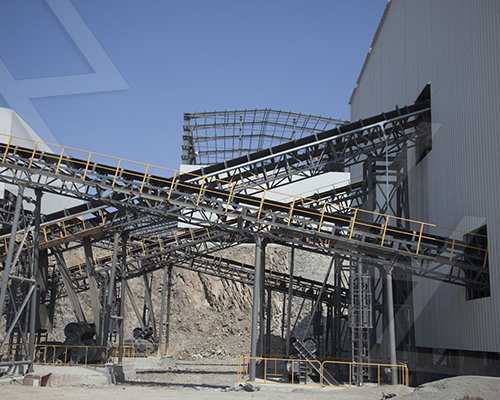
Barge transport plays a critical role in moving bulk material from inland mining operations to coastal and island developments where road access is constrained or cost-prohibitive. Mines located along the Caloosahatchee River, such as those near Fort Myers, utilize river-adjacent load-out facilities equipped with conveyor systems that transfer crushed stone directly onto barges. These waterborne shipments service marina developments, coastal road projects, and large-scale land reclamation efforts, particularly in barrier island communities like Sanibel and Naples. Barge logistics reduce road congestion and per-ton emissions, offering a cost-effective alternative for high-volume, non-urgent projects.
-
Rail access remains limited in Southwest Florida’s aggregates sector. While some producers leverage connections via the Florida Gulf & Atlantic Railroad for select long-haul shipments, rail is not a primary distribution channel due to sparse infrastructure and lack of dedicated spurs at most mining sites.
-
Distribution planning integrates real-time demand forecasting, traffic pattern analysis, and environmental regulations, including restrictions on truck routes and operating hours in urban zones. Leading operators employ GPS fleet tracking and logistics software to optimize routing, reduce fuel consumption, and comply with municipal ordinances.
-
The region’s transportation network continues to evolve, with ongoing assessments of expanded barge terminals and intermodal hubs to support projected population growth and infrastructure development through 2040.
Frequently Asked Questions
What are the primary types of aggregates mined in Southwest Florida?
The primary aggregates mined in Southwest Florida include limestone, sand, and gravel. Limestone is the most prevalent due to the region’s karst geology, which features extensive carbonate rock formations. High-purity carbonate aggregates are processed for use in road base, concrete production, and agricultural applications. Silica sand is also extracted from select coastal and fluvial deposits for use in construction and industrial sand markets.
How do environmental regulations impact aggregate mining operations in Southwest Florida?
Aggregate mining in Southwest Florida is governed by stringent environmental regulations from agencies such as the Florida Department of Environmental Protection (FDEP) and the U.S. Army Corps of Engineers. Operators must comply with wetland mitigation, endangered species protections (e.g., Florida panther and gopher tortoise), and water quality standards under the Clean Water Act. Mine reclamation plans are required before permitting, ensuring post-mining land use such as conservation or agriculture.
What geological factors make Southwest Florida suitable for aggregate extraction?
Southwest Florida’s geology features thick sequences of Miocene- and Pliocene-aged carbonate rocks, including the Tamiami and Fort Thompson Formations, which host high-quality limestone suitable for crushing and screening. The region’s shallow water table and karst topography allow for cost-effective near-surface mining, though dewatering is often required. These formations are laterally extensive, providing long-term resource viability.
Which companies operate major aggregate mines in Southwest Florida?
Major operators include Vulcan Materials Company, Oldcastle Materials (a CRH company), and MD Myers Trucking & Excavating. These firms manage large-scale limestone and sand operations in counties such as Lee, Collier, and Hendry. Vulcan’s Fort Thompson facility is one of the largest integrated limestone quarries in the state, supplying materials for infrastructure projects across Southern Florida.
How does aggregate mining support infrastructure development in Southwest Florida?
Locally sourced aggregates reduce transportation costs and carbon emissions for critical infrastructure projects, including roadways (e.g., I-75 and Alligator Alley), bridge construction, and utility expansions. Proximity to high-growth urban centers like Fort Myers and Naples ensures a steady demand. Off-site fill from mining operations also supports land elevation in flood-prone areas, contributing to regional resilience.
What reclamation techniques are used after aggregate mining in this region?
Post-mining reclamation in Southwest Florida emphasizes ecological restoration and adaptive reuse. Techniques include grading mined areas into wetlands or stormwater retention basins, native vegetation reestablishment, and hydrologic restoration. Many sites are transitioned into conservation areas — for example, portions of the Fisheating Creek property mined by MD Myers were restored and transferred to wildlife management programs.
Are there water supply concerns related to aggregate dewatering in Southwest Florida?
Yes, extensive dewatering is often required due to the high water table and proximity to aquifers like the Upper Floridan. Mining operations must implement controlled dewatering systems with real-time monitoring to prevent saltwater intrusion and impacts on nearby aquifer levels. Permitted operations must submit hydrogeological assessments and often collaborate with Southwest Florida Water Management District (SWFWMD) for sustainable water use.
How do land use policies affect the availability of new aggregate mining sites?
Urban expansion and agricultural preservation programs limit available land for new mines. Local governments often designate mining zones through comprehensive plans, but conflicts arise with conservation priorities and residential development pressures. The trend is toward long-term permitting of existing sites to ensure supply stability amid tightening land use constraints.
What role does aggregate mining play in coastal construction resilience?
Locally mined limestone and crushed rock are essential for constructing seawalls, raised foundations, and storm surge barriers. Their high compressive strength and durability make them ideal for erosion control and flood mitigation projects. The ability to source materials regionally accelerates response times for post-storm recovery and climate adaptation infrastructure.
How are transportation logistics optimized for aggregate distribution in Southwest Florida?
Aggregate producers use rail spurs, barge transport along inland waterways (e.g., Caloosahatchee River), and heavy-haul trucking networks to deliver materials efficiently. Vulcan Materials, for example, operates river terminals enabling barge shipment to coastal construction sites, minimizing road congestion and fuel use. Strategic placement of satellite crushing plants near urban centers further enhances distribution.
What technological advancements are improving efficiency in Southwest Florida’s aggregate mining?
Modern operations deploy GPS-guided drilling and blasting, real-time crusher automation, and drone-based surveying for volume measurement and reclamation monitoring. Some sites use AI-driven analytics for predictive maintenance and energy optimization. These technologies improve yield, reduce waste, and support compliance with environmental monitoring requirements.

How do aggregate producers mitigate noise and dust in residential-adjacent mines?
Leading operators implement best management practices such as water spray systems, enclosed conveyor systems, vegetative buffers, and acoustic berms. Dust monitoring stations with real-time telemetry ensure compliance with FDEP thresholds. Operational curfews and community engagement programs are often established to maintain good neighbor relations near mines on the urban fringe.