
Table of Contents
- Why Portable Trailer-Mounted Rock Crushers Are Revolutionizing Philippine Quarry Operations
- Key Features and Benefits of Mobile Rock Crushing Units in Philippine Mining
- Top Applications of Trailer-Mounted Crushers Across the Philippines’ Construction Sector
- How to Choose the Right Portable Rock Crusher for Your Philippine Aggregate Project
- Leading Suppliers and Rental Options for Mobile Crushers in the Philippines
- Frequently Asked Questions
- What are the key benefits of using a trailer-mounted portable rock crusher in the Philippines?
- How do I choose the right capacity rock crusher for Philippine construction projects?
- Are portable rock crushers compliant with Philippine environmental regulations?
- What maintenance protocols are critical for tropical climates in the Philippines?
- Can trailer-mounted crushers handle volcanic rock types in the Philippines?
- What permits are required to operate a portable rock crusher in the Philippines?
- How does diesel fuel availability affect diesel-powered portable crushers in remote areas?
- What safety standards must operators follow when running portable crushers in the Philippines?
- How do I transport a trailer-mounted rock crusher between islands in the Philippines?
- What are the most reliable brands for portable trailer-mounted crushers available in the Philippines?
- Can a portable rock crusher be integrated into a full crushing and screening plant?
- What is the typical ROI timeline for investing in a portable rock crusher in the Philippines?
In the dynamic landscape of Philippine quarrying and construction, efficiency and mobility are paramount—and portable trailer-mounted rock crushers are revolutionizing how operators meet these demands. Designed for agility and rapid deployment, these compact yet powerful machines bring the crushing process directly to the source, minimizing transport costs and maximizing productivity across remote or rugged terrains. In an archipelago where infrastructure development is accelerating and access to centralized processing plants can be limited, mobile crushing solutions offer a strategic advantage. Built for durability and ease of transport, trailer-mounted rock crushers enable swift relocation between job sites, reducing downtime and enhancing operational flexibility. With increasing demand for on-site aggregate production in mining, road construction, and large-scale civil projects, these mobile units are becoming indispensable tools for contractors seeking speed, cost-efficiency, and scalability. In the Philippines’ ever-evolving quarrying sector, embracing portable crushing technology isn’t just innovative—it’s essential for staying competitive.
Why Portable Trailer-Mounted Rock Crushers Are Revolutionizing Philippine Quarry Operations
- Rapid deployment across remote and rugged quarry sites
- Minimized logistical overhead through on-site processing
- Reduced transportation costs for raw aggregate materials
- Enhanced operational continuity despite fragmented land access
Portable trailer-mounted rock crushers are transforming quarry operations across the Philippines by addressing longstanding logistical and economic challenges inherent in fragmented, geographically diverse mining regions. Traditional fixed crushing plants require extensive site preparation, long lead times for installation, and substantial capital investment—constraints that often delay production and inflate operating costs. In contrast, trailer-mounted units offer immediate mobility, enabling operators to reposition equipment quickly in response to changing extraction zones or land-use restrictions.
The archipelagic nature of the Philippines, with numerous small-scale quarries scattered across islands, amplifies the need for adaptable crushing solutions. Portable units can be towed via standard trucks to inland or coastal extraction sites with minimal infrastructure, drastically reducing setup time. This agility supports just-in-time material processing, minimizing stockpile accumulation and reducing environmental footprint.
Fueling efficiency gains is the integration of advanced diesel-electric hybrid power systems and automated feed controls, allowing consistent throughput even in off-grid areas. Modern units deliver crushing capacities comparable to stationary plants—up to 300 metric tons per hour—while maintaining compliance with local environmental and safety standards.
Economically, operators report up to 40% reduction in haulage expenses by processing material at the source. This eliminates the need to transport oversized boulders over poorly maintained rural roads, reducing vehicle wear, fuel consumption, and associated carbon emissions. Furthermore, mobile crushers enhance resource recovery by enabling selective processing of varied rock types across heterogeneous deposits.
Regulatory adaptability further strengthens their appeal. Given evolving land-use policies and community-based resource management frameworks, quarry operators benefit from the ability to conduct short-cycle operations without permanent infrastructure. This aligns with progressive mining practices emphasizing sustainability and community engagement.
As infrastructure demand accelerates under national development programs like “Build Better More,” the scalability and responsiveness of trailer-mounted crushers position them as critical enablers of efficient, compliant, and cost-effective aggregate production across the Philippine quarrying sector.
Key Features and Benefits of Mobile Rock Crushing Units in Philippine Mining
- Rapid deployment and repositioning across quarry sites without disassembly, enabling continuous operations in dynamic mining environments
- Compact, trailer-mounted design compliant with Philippine road regulations, facilitating legal over-the-road transport between concessions and reducing logistics bottlenecks
- Integration with diesel-electric hybrid power systems ensures reliable operation in remote or off-grid mining areas with limited access to stable electrical infrastructure
- On-site primary and secondary crushing reduces haulage distances, lowering fuel consumption, vehicle maintenance, and transport-related emissions
- Modular configuration options support jaw, cone, and impact crushing technologies, allowing adaptation to varying feed materials including basalt, limestone, andesite, and weathered tuff common in Philippine geology
- Hydraulic adjustment and overload protection systems enhance operational safety and minimize unplanned downtime during variable feed conditions
- Advanced screening and closed-circuit recycling capabilities produce consistent, specification-grade aggregates directly at the extraction face, improving product quality control
- Reduced site footprint compared to fixed plants mitigates environmental disturbance, supporting compliance with DENR Mine Rehabilitation and Decommissioning Plan (MRDP) requirements
- Quick setup time (under 4 hours) maximizes productive hours, particularly critical during short dry-season windows in tropical climates
- Scalable throughput ranging from 50 to 300 tons per hour accommodates both small-scale permit holders and large contractors under the Philippine Mining Act (RA 7942) framework
Mobile rock crushing units address core challenges in Philippine quarrying: rugged terrain, fragmented land access, and seasonal weather constraints. By decentralizing crushing operations, these units eliminate bottlenecks associated with centralized processing plants. Their compatibility with local equipment fleets and operator skill levels ensures seamless integration into existing workflows. Furthermore, their mobility supports adaptive mine planning in geologically complex regions such as the Zambales Ophiolite or Eastern Mindanao Mineral Province, where feed composition varies significantly over short distances. The capital efficiency of mobile units also benefits junior operators and cooperatives by lowering entry barriers to high-productivity crushing. When deployed strategically, mobile crushers contribute directly to lowering cost per ton, improving project IRR, and enhancing compliance with environmental and social governance (ESG) benchmarks increasingly mandated by both government and financial stakeholders in the Philippine mining sector.
Top Applications of Trailer-Mounted Crushers Across the Philippines’ Construction Sector
-
On-site Aggregate Production: Trailer-mounted crushers are extensively deployed for producing construction-grade aggregates directly at infrastructure project sites. This eliminates reliance on distant quarries, reduces transport costs, and ensures consistent material supply during road, bridge, and building construction across regions such as Central Luzon and Davao.
-
Road and Highway Development: Major road expansion projects, including those under the Build, Better, More program, utilize mobile crushing units to process locally sourced rock and demolition debris. The ability to relocate quickly between project phases enhances workflow continuity, particularly in challenging terrains like the Cordillera Administrative Region.
-
Quarry Rehabilitation and Expansion: In aging quarries in Cebu and Rizal, trailer-mounted crushers serve as primary or secondary crushing units during operational scaling or rehabilitation. Their modular nature allows integration into phased extraction plans without requiring permanent infrastructure, minimizing downtime.
-
Disaster-Resilient Infrastructure: In typhoon-prone areas such as Eastern Visayas, these crushers support rapid reconstruction efforts by processing storm-damaged concrete and natural rock into reusable aggregate, accelerating recovery timelines while adhering to national durability standards.
-
Coastal and Island Construction: For infrastructure development in remote islands like Palawan and Siargao, transporting bulky rock is economically unfeasible. Trailer-mounted units enable localized material processing, supporting port expansions, resort foundations, and civic buildings with minimal logistical overhead.
-
Urban Redevelopment: In Metro Manila’s high-density redevelopment zones, space constraints limit traditional crushing setups. Mobile units process concrete rubble from demolition activities into recycled aggregates, supporting sustainable urban renewal while complying with DENR environmental regulations.
-
Mining Support Infrastructure: In Mindanao’s mineral-rich zones, these crushers support ancillary construction—such as access roads, processing plant foundations, and tailings facility development—by converting waste rock into usable fill and base materials, improving operational efficiency.
The strategic deployment of trailer-mounted crushers across the Philippines reflects a shift toward agile, cost-effective, and environmentally responsible construction practices. Their mobility, rapid setup, and adaptability to variable feed materials make them indispensable in a geographically fragmented archipelago with diverse geological and infrastructural demands. As the construction sector prioritizes efficiency and sustainability, these mobile solutions will remain integral to project execution across urban, rural, and remote environments.
How to Choose the Right Portable Rock Crusher for Your Philippine Aggregate Project
-
Assess project scale and throughput requirements first. Philippine aggregate operations vary significantly—from small-scale roadside crushing to large quarry expansions. Choose a crusher with a capacity that matches your hourly tonnage needs, factoring in potential future growth. Units ranging from 50 to 300 tons per hour are common; undersizing leads to bottlenecks, while oversizing increases operational costs unnecessarily.
-
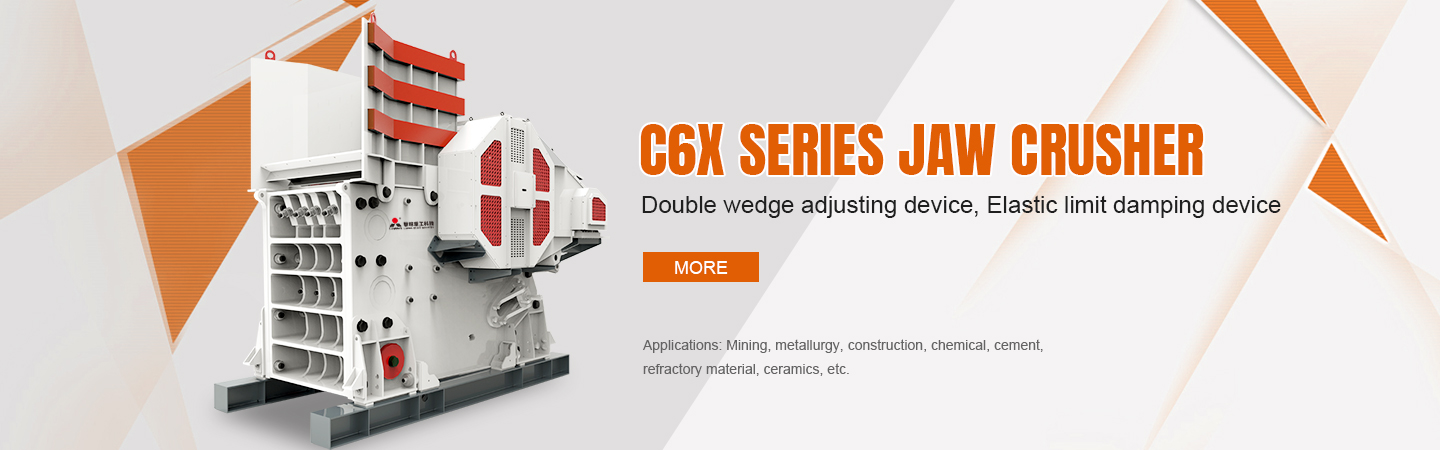
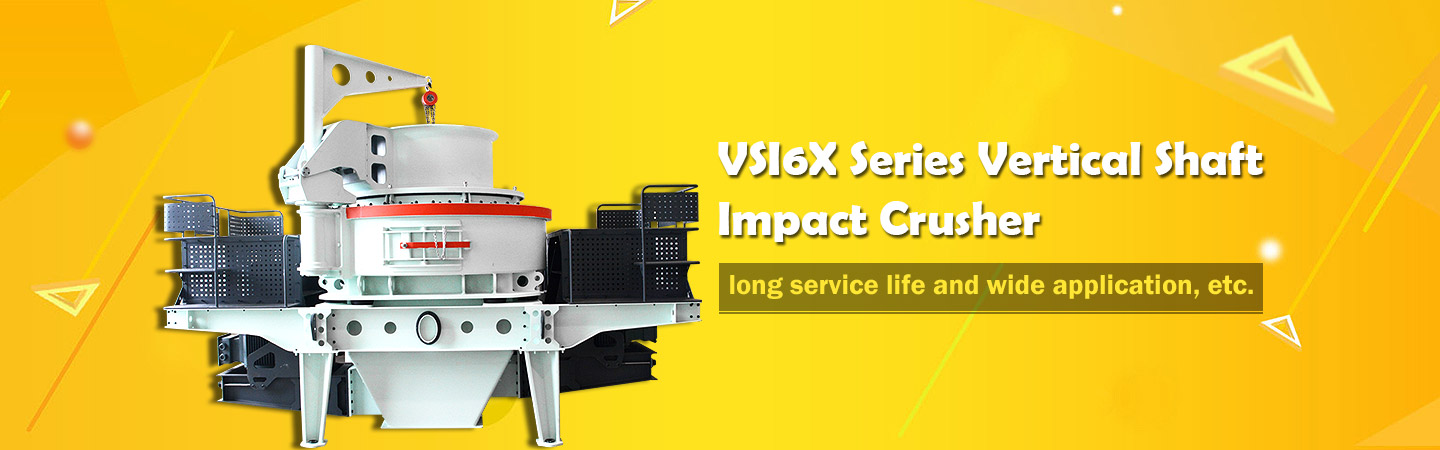
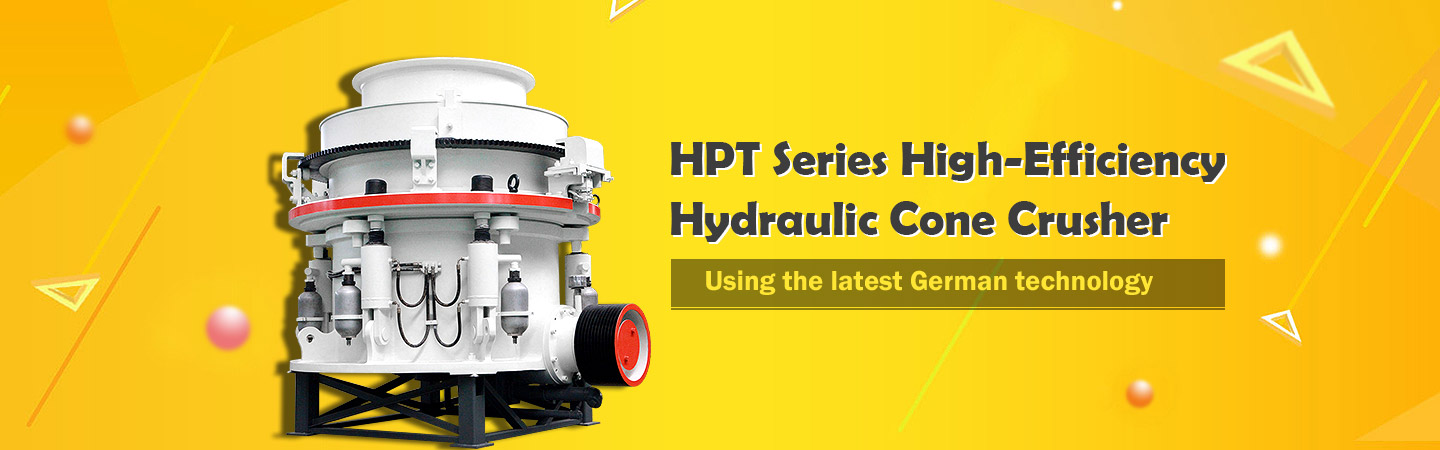
Evaluate feed material characteristics. Hard basalt, andesite, or river-worn gravel each demand different crushing technologies. Jaw crushers are ideal for primary reduction of hard rock, while cone or impact crushers suit secondary processing for finer, cubical aggregates. For mixed or abrasive feed, prioritize wear-resistant components and ease of liner replacement.
-
Prioritize mobility and setup efficiency. Trailer-mounted units must withstand Philippine road conditions and rugged quarry terrain. Ensure the unit features heavy-duty axles, reliable braking systems, and hydraulic leveling for rapid deployment. Quick-setup models reduce downtime between sites—a critical advantage for contractors operating across multiple provinces.
-
Consider power source compatibility. While diesel-powered units dominate due to off-grid operation needs, verify fuel efficiency and emissions compliance, especially in environmentally sensitive areas. Some projects may benefit from electric or hybrid options where grid access is available, reducing long-term fuel costs and noise pollution.
-
Examine maintenance accessibility and local service support. Choose manufacturers or suppliers with established service networks in the Philippines. Availability of spare parts, technical training, and responsive field support directly impact uptime. Models with centralized lubrication systems, guarded conveyor access, and diagnostic monitoring enhance maintainability.
-
Confirm compliance with Philippine environmental and safety standards. Dust suppression systems, noise enclosures, and proper guarding are not optional. Select crushers integrated with water spray systems or compatible with baghouse attachments to meet DENR air quality regulations.
-
Total cost of ownership should guide selection, not just purchase price. Factor in transport costs, fuel consumption, wear part lifespan, and resale value. A premium unit with proven durability in tropical climates often delivers better ROI than low-cost alternatives prone to downtime.
Selecting the right portable rock crusher requires aligning technical specifications with operational realities. For Philippine aggregate producers, the optimal choice balances throughput, durability, mobility, and long-term supportability.
Leading Suppliers and Rental Options for Mobile Crushers in the Philippines
-
ZWC Outotec Philippines provides fully portable, trailer-mounted crushing solutions tailored to the demands of medium to large-scale quarrying operations. Their Nordtrack series includes compact, diesel-powered jaw and cone crushers that offer rapid deployment and high throughput. These units are available for direct procurement through their Manila-based distribution network and can be supported with technical training, preventive maintenance programs, and spare parts logistics. For operators seeking flexibility, ZWC Outotec partners with local equipment finance firms to offer lease-to-own arrangements.
-
Sandvik Construction Southeast Asia supplies the QJ341 and QS341+ mobile crusher units—compact, trackable models ideal for hard rock processing in remote or space-constrained sites. These units are engineered for plug-and-play operation with integrated feeders and conveyors. Sandvik maintains a regional inventory hub in Subic Bay, enabling efficient delivery across Luzon, Visayas, and Mindanao. Rental options are facilitated through authorized dealers such as Phil-Mac Asia Corporation, which offers short- and long-term leasing with operator training and on-call field support.
-
Powerscreen, distributed in the Philippines by CME Equipment Philippines, offers the Metrotrak 1165 and Warrior 1400 rapid-deployment jaw crushers. These trailer-mounted systems are designed for high reduction ratios and minimal downtime. CME provides full-service rentals that include transportation, setup, and technician support, making them ideal for contract crushing firms and infrastructure projects requiring temporary crushing capacity.
| Supplier | Model Example | Power Source | Availability | Support Services |
|---|---|---|---|---|
| ZWC Outotec | Nordtrack J1265 | Diesel | Purchase, lease-to-own | On-site maintenance, training |
| Sandvik | QJ341 | Diesel | Rental, purchase | Remote diagnostics, spare parts |
| Powerscreen (via CME) | Metrotrak 1165 | Diesel | Rental, purchase | Full operational support package |
Local rental providers such as Rockland Equipment Leasing and Prime Crushing Solutions have also emerged, offering refurbished but certified units from European and Chinese OEMs at competitive rates. These providers specialize in short-duration contracts for small quarry operators and road-building projects. All major suppliers emphasize compliance with Philippine mining and environmental regulations, including dust suppression integration and noise-reduction features.
Frequently Asked Questions
What are the key benefits of using a trailer-mounted portable rock crusher in the Philippines?
Trailer-mounted portable rock crushers offer mobility, ease of transport, and rapid deployment across remote or rugged terrains common in Philippine quarrying and mining operations. They enable on-site processing, reducing hauling costs and allowing aggregate production closer to construction projects. Their compact design suits small to mid-scale operations, and compliance with local environmental and road regulations makes them ideal for island-based logistics.
How do I choose the right capacity rock crusher for Philippine construction projects?
Select a crusher with throughput capacity aligned with project demand—typically 50–200 tons per hour for medium-scale operations. Consider feed size, output gradation requirements, and local material hardness (e.g., basalt or andesite common in the Philippines). Opt for diesel-powered units for off-grid sites and ensure compatibility with local maintenance infrastructure and spare parts availability.
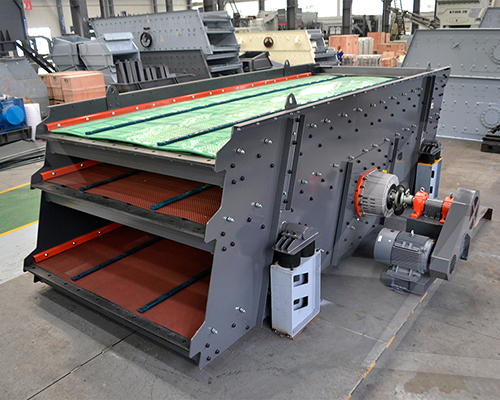
Are portable rock crushers compliant with Philippine environmental regulations?
Yes, but compliance requires adherence to DENR Administrative Order 2010-23 (Revised IRR of RA 8749, Clean Air Act) and ECC conditions. Choose crushers with dust suppression systems, noise-reducing enclosures, and emission-compliant engines (e.g., Tier 3 or Tier 4). Conduct regular emissions testing and secure proper permits from the local LGU and EMB regional office.
What maintenance protocols are critical for tropical climates in the Philippines?
High humidity and salt-air exposure in coastal areas demand rigorous preventive maintenance. Perform daily checks on hydraulic systems, lubricate pivot points weekly, and inspect liners and blow bars bi-weekly. Use corrosion-resistant coatings, store equipment under cover during monsoon, and replace air filters frequently due to dusty conditions.
Can trailer-mounted crushers handle volcanic rock types in the Philippines?
Yes, but select crushers designed for hard, abrasive materials—jaw or cone crushers with high-compressive strength ratings. Use manganese steel liners for wear resistance. Pre-screen material to remove oversized boulders, and adjust closed-side settings carefully to manage throughput and product size when processing andesite or tuff.
What permits are required to operate a portable rock crusher in the Philippines?
Operators need an ECC from the DENR-EMB, business permits from the local LGU, and a Certificate of Environmental Compliance for Mining Projects (if applicable). Secure right-of-way for transport, and comply with DPWH vehicle regulations if moving across public roads. Workers must have OSH training per DOLE standards.
How does diesel fuel availability affect diesel-powered portable crushers in remote areas?
Diesel is widely available but costs more in Mindanao or Visayas due to logistics. Maintain a secure, ventilated fuel storage system compliant with BFP fire code. Optimize fuel efficiency by sizing the engine to load and using smart automation controls. Consider hybrid or electric models if grid or generator power is stable.
What safety standards must operators follow when running portable crushers in the Philippines?
Adhere to DOLE Department Order 198-18 (OSH Standards) and ANSI/CGA P1.4 for crushing safety. Mandate PPE (helmets, hearing protection, steel-toe boots), install emergency stop systems, and conduct lockout-tagout procedures during maintenance. Train operators on mobile equipment handling per TESDA NC II certification guidelines.
How do I transport a trailer-mounted rock crusher between islands in the Philippines?
Use Roll-on/Roll-off (RoRo) ferry services certified by MARINA for oversize loads. Ensure the crusher is secured with marine-grade tie-downs, tire inflation adjusted for long idle periods, and all hydraulic systems drained if necessary. Comply with DPWH weight and dimension limits (max 4.3m height, 2.5m width) and obtain special hauling permits for inter-island movement.
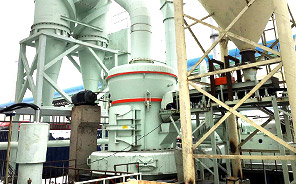
What are the most reliable brands for portable trailer-mounted crushers available in the Philippines?
Trusted brands include Powerscreen (offering robust mobility), ZWC Lokotrack (for high-capacity processing), and Tesab (cost-effective for small operators). Local distributors like HCC Equipment and CMB Philippines provide after-sales support, spare parts networks, and training—critical for minimizing downtime.
Can a portable rock crusher be integrated into a full crushing and screening plant?
Yes—modern trailer-mounted crushers are designed to integrate with vibrating feeders, conveyors, and multi-deck screens into a complete mobile plant. Use quick-connect hydraulic and electrical couplings for rapid assembly. Configure closed-circuit setups for reprocessing oversized material, optimizing aggregate quality for Philippine infrastructure projects.
What is the typical ROI timeline for investing in a portable rock crusher in the Philippines?
Return on investment typically occurs within 12–18 months for active construction zones (e.g., NCR, Cebu, Davao). ROI depends on utilization rate, local aggregate prices (PHP 800–1,200/ton), and operational costs. Maximize uptime through preventive maintenance and contract crushing services for road builders or LGUs.