
Table of Contents
- Optimizing Throughput in 40–70 TPH Diamond Processing Operations
- Core Components of a High-Efficiency Diamond Processing Plant
- Crushing and Screening Configuration for Medium-Scale Diamond Recovery
- Advanced Separation Techniques in 40–70 TPH Diamond Plants
- Operational Sustainability and Cost Management in Diamond Processing
- Frequently Asked Questions
- What components are typically included in a 40 to 70 tonnes per hour diamond processing plant?
- How is dense medium separation (DMS) optimized in mid-scale diamond plants?
- What crushing configuration delivers optimal liberation for diamond ores in this capacity range?
- How do modern plants handle clay and debris in 50 t/h diamond feed material?
- What diamond recovery technologies are most effective at this throughput?
- How is water managed and recycled in a mid-scale diamond processing plant?
- What energy-efficient practices are implemented in 50 t/h diamond plants?
- How is plant modularity and scalability addressed for 40–70 t/h operations?
- What safety and automation systems are critical in diamond processing plants?
- How does ore variability impact circuit design for this scale?
- What environmental controls are essential for mid-capacity diamond plants?
- How is diamond liberation size determined and monitored?
In the dynamic world of diamond mining, achieving optimal throughput and recovery rates is paramount—and few benchmarks strike the balance between scale and efficiency like a 40 to 70 tonnes per hour diamond processing plant. Designed for mid-to-large-scale operations, these plants represent the pinnacle of engineered precision, where advanced technologies converge with robust operational design to transform raw kimberlite into high-value diamond concentrates. From primary crushing to final recovery, every component is calibrated for maximum performance, ensuring consistent uptime, reduced operating costs, and superior diamond liberation. This guide delves into the core elements that define success at this throughput level: modular plant configurations, cutting-edge equipment selection, and integrated efficiency strategies that adapt to variable ore characteristics. Whether expanding an existing facility or embarking on a new project, understanding the design principles and technological innovations behind these plants is essential for unlocking long-term profitability and operational excellence in today’s competitive diamond market.
Optimizing Throughput in 40–70 TPH Diamond Processing Operations
-
Optimize feed consistency to ensure steady material flow into the primary crushing stage. Variability in feed rate induces inefficiencies across downstream circuits, particularly in screening and dense media separation (DMS). Utilize vibratory feeders with variable frequency drives (VFDs) to maintain uniform tonnage and reduce choke feeding.
-
Implement real-time mass balance monitoring across critical nodes—primary crusher discharge, screen undersize/oversize splits, and DMS feed. Deploy load cells and online particle size analyzers to detect deviations early and enable proactive adjustments.
-
Maximize screen efficiency by selecting appropriate aperture sizes and deck angles relative to the feed gradation. For 40–70 TPH operations, double-deck inclined screens with polyurethane panels offer superior wear resistance and precise cut points (typically 12 mm and 3 mm). Maintain optimal deck tension and conduct routine cleaning to prevent blinding.
-
Optimize DMS cyclone performance by maintaining consistent medium density (typically 3.1–3.3 g/cm³) and pressure. Use magnetic density controls with feedback loops to stabilize the ferrosilicon suspension. Ensure proper underflow-to-overflow ratio (U/O) at 30–35% to maximize diamond recovery while minimizing middlings recirculation.
-
Minimize circulation load in the secondary crushing circuit by adjusting closed-side settings (CSS) to achieve targeted product size without over-crushing. For diamond-bearing ore, preserve liberation while avoiding excessive fines generation—target P80 of 12–15 mm post-secondary crush.
-
Integrate automation systems to synchronize conveyor speeds, sump levels, and pump rates across the plant. Programmable logic controllers (PLCs) with supervisory control and data acquisition (SCADA) enable rapid response to bottlenecks and reduce manual intervention.
-
Conduct regular metallurgical audits to assess throughput vs. recovery trade-offs. Even minor improvements in DMS efficiency (e.g., +1.5% recovery) compound significantly at 50,000 tonnes per month throughput.
-
Prioritize preventative maintenance schedules for high-wear components: DMS valves, cyclone liners, and screen media. Downtime in any single unit can cascade across the circuit, reducing daily output by 10–15%.
-
Train operational staff in real-time decision-making using performance dashboards. Empowered operators contribute directly to sustaining design throughput under variable ore characteristics.
Core Components of a High-Efficiency Diamond Processing Plant
-
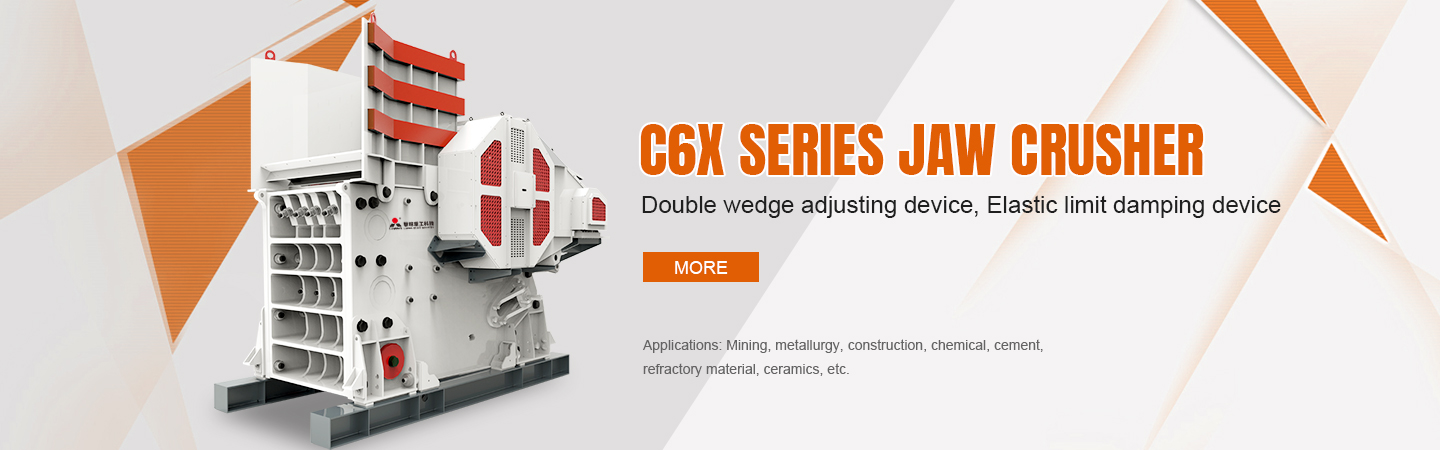
Primary crushing circuit utilizing a heavy-duty jaw crusher with hydraulic adjustment and overload protection, designed to handle run-of-mine material up to 800 mm in size. This stage ensures consistent feed size reduction to under 150 mm, optimizing downstream throughput and minimizing diamond breakage through controlled compression forces.
-
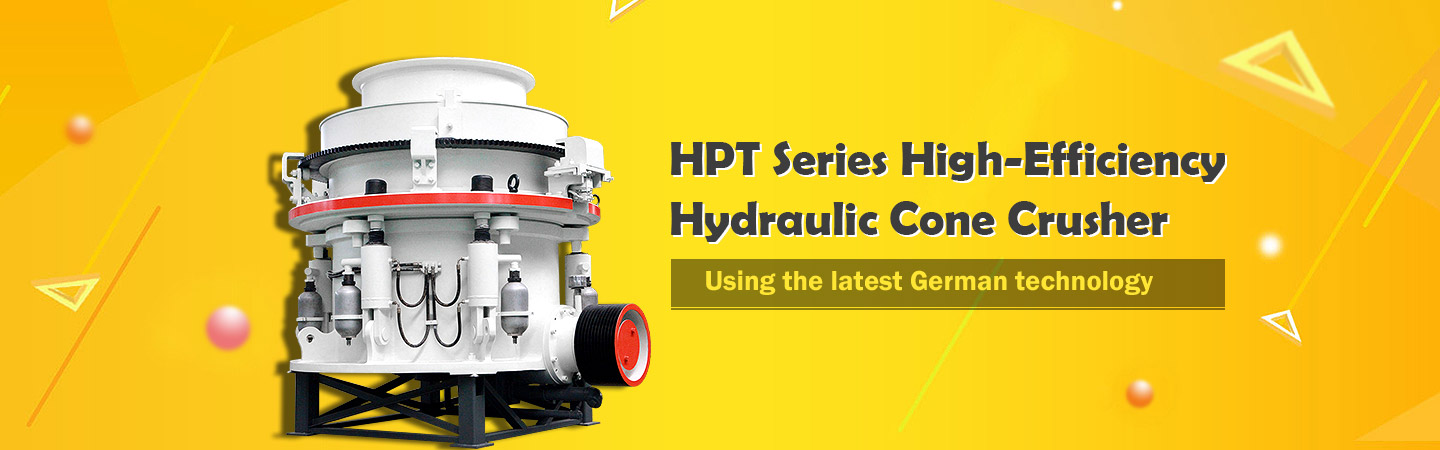
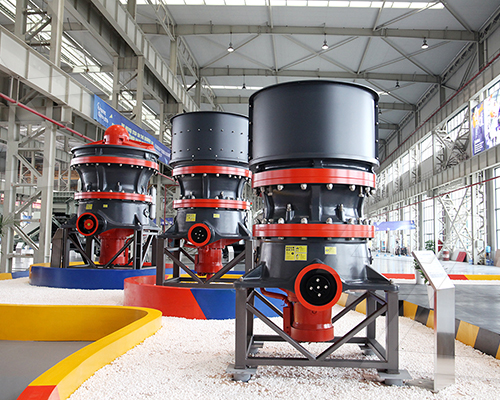
Secondary crushing via a cone crusher equipped with intelligent tramp release and cavity optimization, further reducing material to 25–40 mm. This stage is critical for liberation enhancement while maintaining diamond integrity, with real-time monitoring of closed-side setting and power draw to sustain operational precision.
-
Scalping and sizing through modular, multi-deck vibrating screens with polyurethane media to separate fines and undersized material prior to dense media separation (DMS). Screen efficiency is maximized via adjustable amplitude, frequency, and deck inclination, ensuring precise cut-point control and reduced DMS feed variability.
-
Dense media separation system centered on a cyclonic DMS unit operating at 2.65–3.05 specific gravity, using finely balanced magnetite suspension. The system includes automated density control, continuous medium recovery, and wear-resistant linings to maintain separation accuracy and longevity under abrasive conditions.
-
Medium recovery circuit comprising magnetic separators, hydrocyclones, and dewatering screens to reclaim and recycle over 98% of the magnetite medium. Closed-loop water management ensures minimal fresh water consumption and stable medium density, directly contributing to process sustainability and cost control.
-
Diamond recovery suite integrating X-ray transmission (XRT) sorters, grease tables, and final concentration units. XRT technology enables high-speed, non-destructive detection of diamonds based on atomic density differentials, achieving recovery rates exceeding 95% for +2 mm stones.
-
Centralized process control system with SCADA integration, enabling real-time performance monitoring, predictive maintenance alerts, and remote operational adjustments. Data analytics modules track key performance indicators including throughput consistency, power utilization, and diamond liberation efficiency.
-
Modular plant design with standardized skid-mounted units facilitating scalability, transportability, and rapid commissioning. Structural elements are corrosion-protected and engineered for remote site deployment, ensuring long-term reliability in harsh environments.
Each component is selected and calibrated to maintain throughput integrity across the 40–70 t/h range while prioritizing diamond liberation, energy efficiency, and operational resilience.
Crushing and Screening Configuration for Medium-Scale Diamond Recovery
-
Primary crushing typically begins with a robust jaw crusher capable of handling run-of-mine (ROM) feed with top sizes up to 300 mm. For medium-scale diamond plants processing 40–70 t/h, a single toggle jaw crusher with hydraulic adjustment and overload protection is recommended to ensure consistent gape control and reduced downtime.
-
A pre-screening step is critical to remove sub-10 mm material prior to primary crushing. This reduces crusher wear, lowers power consumption, and minimizes the risk of fines compaction. A vibrating grizzly feeder (VGF) with interchangeable bar spacing performs dual functions: material feeding and scalping.
-
After primary crushing, a secondary crushing stage employing a cone crusher optimizes liberation of diamond-bearing particles while minimizing breakage of valuable diamonds. A hybrid or standard spring-assisted cone crusher with a closed-side setting (CSS) of 12–15 mm ensures product uniformity suitable for downstream screening.
-
Screening is executed in two stages: primary scalping post-jaw crushing and secondary sizing post-cone crushing. High-frequency, dual-deck inclined screens with polyurethane or rubber modular panels provide efficient separation at cut points of 10 mm and 3 mm. The oversize fraction (>10 mm) proceeds to tertiary crushing if required, while the 3–10 mm fraction is directed to dense medium separation (DMS).
-
Fines below 3 mm are typically bypassed to slurry handling systems for potential recovery via all-sliming or fine particle DMS, depending on the ore’s diamond size distribution.
-
Closed-circuit configuration between the cone crusher and secondary screen ensures recirculation of oversized material, maintaining consistent feed quality to DMS cyclones and reducing diamond loss due to incomplete liberation.
-
All crushing and screening units must be supported by engineered feed control systems, including vibratory feeders and variable frequency drives (VFDs), to maintain steady material flow and prevent surge loading.
-
Dust suppression via water sprays at transfer points and encapsulated enclosures minimizes airborne particulates, particularly at screening decks and crusher discharges.
-
Maintenance access, structural loading, and plant layout must accommodate modular design principles to allow for future throughput adjustments or process optimization without major retrofitting.
-
Equipment selection emphasizes reliability, ease of maintenance, and compatibility with remote monitoring systems to support operational continuity and reduce unplanned stoppages in medium-scale recovery circuits.
Advanced Separation Techniques in 40–70 TPH Diamond Plants
-
Implementation of advanced separation techniques in 40–70 TPH diamond processing plants is critical for maximizing diamond recovery while minimizing operational inefficiencies. At these throughput levels, traditional gravity-based methods alone are insufficient; therefore, integration of sensor-based ore sorting, X-ray transmission (XRT), and advanced dense media separation (DMS) circuits is standard practice.
-
Dense Media Separation remains the cornerstone of pre-concentration, operating most efficiently when feed is correctly sized (typically 0.5–25 mm). Modern DMS plants utilize high-precision cyclones and automated density control systems, ensuring consistent separation performance. Media recovery circuits employing magnetic pulleys and ultra-fine media reclamation reduce magnetite consumption and environmental impact.
-
Sensor-based sorting has transformed downstream recovery, particularly for coarse fractions. XRT sorters detect diamonds based on atomic density differences, enabling non-contact ejection of diamond-bearing particles with sub-millisecond response times. These systems achieve high purity concentrates with minimal false positives when calibrated to regional diamond characteristics.
-
Dual-energy X-ray transmission (DE-XRT) enhances discrimination between diamonds and gangue minerals such as garnet or zircon, especially in challenging alluvial feeds. Integration with machine learning algorithms allows real-time calibration drift correction, improving long-term stability.
-
For fine diamond recovery (below 1.5 mm), advanced hydrocyclone arrays coupled with Falcon or Knelson concentrators provide centrifugal enhancement of gravity separation. These devices achieve G-forces exceeding 200g, capturing micro-diamonds that would otherwise report to tailings.
-
Emerging techniques such as laser-induced breakdown spectroscopy (LIBS) and Raman spectroscopy are being piloted for real-time mineralogical feedback, enabling dynamic process adjustments. While not yet standard, their potential for reducing diamond loss in complex matrices is significant.
-
Automation and data integration further amplify separation efficiency. Centralized control systems monitor ore characteristics, media density, sorter performance, and concentrate grades, enabling predictive maintenance and adaptive control strategies.
-
Overall, the synergy between precision engineering, sensor technology, and process automation defines the current frontier in diamond separation. Plants operating in the 40–70 TPH range must balance throughput stability with recovery finesse, and advanced separation systems are pivotal in achieving both objectives.
Operational Sustainability and Cost Management in Diamond Processing
-
Implement continuous process monitoring using real-time data acquisition systems to track throughput, energy consumption, and recovery rates across crushing, screening, dense media separation (DMS), and diamond liberation stages. This enables rapid identification of inefficiencies and supports predictive maintenance protocols.
-
Integrate variable frequency drives (VFDs) on major conveyors and motors to match energy use with processing load, reducing electrical consumption during low-throughput periods. Energy constitutes up to 30% of operational costs in diamond processing; optimizing motor efficiency delivers measurable savings.
-
Design for water recycling with closed-loop slurry management systems. Install high-efficiency thickeners and filter presses to achieve >90% water recovery, minimizing freshwater intake and effluent disposal costs—critical in arid regions where many diamond operations are located.
-
Standardize equipment maintenance schedules using OEM guidelines combined with operational data analytics. Utilize condition-based monitoring (vibration analysis, oil sampling) on DMS cyclones, pumps, and screens to prevent unplanned downtime and extend component life.
-
Optimize dense media separation efficiency through precise control of medium density (typically 3.0–3.3 g/cm³) and consistent ferrosilicon particle size distribution. Automated density adjustment systems reduce misplacement of diamonds into waste streams, directly improving recovery and reducing reprocessing needs.

-
Conduct regular metallurgical accounting to reconcile feed grade, mass balance, and final diamond recovery. Discrepancies signal inefficiencies in sensor-based sorting, X-ray transmission (XRT), or grease tables requiring recalibration or maintenance.
-
Centralize operational control via a plant-wide SCADA system, integrating data from liberation circuit sensors, sorting units, and tailings monitoring. This enables coordinated responses to feed variability and supports remote diagnostics, reducing on-site personnel requirements.
-
Establish a cost-per-tonne metric that includes energy, water, reagents, labor, maintenance, and consumables. Benchmark against historical and peer-plant performance to identify cost outliers and guide capital improvement decisions.
-
Prioritize equipment reliability over initial cost during procurement; high-availability DMS plants and robust comminution circuits reduce lifecycle costs despite higher upfront investment. Partner with suppliers offering performance guarantees and long-term service agreements.
-
Train operational staff in lean processing principles and safety-critical procedures to minimize human error and enhance responsiveness. Competency assurance programs ensure consistent execution across shifts and contractors.
Frequently Asked Questions
What components are typically included in a 40 to 70 tonnes per hour diamond processing plant?
A 40–70 t/h diamond processing plant typically includes a feeding system (e.g., vibrating grizzly feeder), primary and secondary crushers (jaw and cone crushers), scrubbers for ore washing, dense medium separation (DMS) cyclones,筛分 systems (inclined or horizontal screens), diamond recovery circuits (X-ray, grease, and optical sorting), and tailings management systems. The design emphasizes throughput efficiency, diamond liberation, and minimal grain degradation.
How is dense medium separation (DMS) optimized in mid-scale diamond plants?
DMS in 40–70 t/h plants is optimized using high-efficiency cyclones calibrated for precise SG (specific gravity) cut points (typically 2.8–3.0), real-time medium density control via nuclear or differential pressure gauges, and closed-loop ferrosilicon recovery systems. Advanced plants integrate automated dilution and densitometers to maintain process stability and recovery rates above 98%.
What crushing configuration delivers optimal liberation for diamond ores in this capacity range?
A two-stage crushing circuit—primary jaw crusher followed by a high-efficiency cone crusher—is standard. Pre-screening and scalping remove fines early, while closed-circuit crushing ensures consistent P80 < 12 mm. This setup balances energy efficiency with maximum diamond liberation and minimizes breakage of valuable stones.
How do modern plants handle clay and debris in 50 t/h diamond feed material?
Plants employ rotary or linear log washers combined with high-pressure hydro-cyclones and wet screening to disaggregate sticky clays. Conditioning tanks with chemical dispersants (e.g., sodium silicate) enhance desliming. Inline moisture analyzers allow adaptive wash parameters, ensuring consistent feed quality for downstream DMS.
What diamond recovery technologies are most effective at this throughput?
At 40–70 t/h, a hybrid recovery system is used: DMS pre-concentrate feeds X-ray transmission (XRT) sorters, which detect diamonds by atomic density, followed by grease tables for hydrophobic recovery, and optical lasers for final polishing. Advanced AI-driven sorters achieve >99.5% diamond detection with <0.5% misplacement rates.
How is water managed and recycled in a mid-scale diamond processing plant?
Closed-loop water systems with thickeners, clarifiers, and filter presses achieve >90% water recovery. Modular water treatment units remove suspended solids (mainly ferrosilicon and silt) using flocculation and high-rate thickeners. Real-time turbidity monitoring ensures compliance with discharge standards and reduces fresh water intake.
What energy-efficient practices are implemented in 50 t/h diamond plants?
Energy optimization includes variable frequency drives (VFDs) on pumps and conveyors, high-efficiency motors, regenerative braking on conveyors, and load-balanced crushing circuits. Energy audits reveal that DMS pumps and XRT sorters are key targets; efficient cyclone design reduces pumping energy by up to 20%.
How is plant modularity and scalability addressed for 40–70 t/h operations?
Skid-mounted, containerized modules for DMS, sorting, and power units allow rapid deployment and scalability. Plants are designed with 20–30% surplus capacity to handle feed variability. Modular electrical control rooms (ECRs) and PLC-based SCADA systems simplify expansion to 100 t/h if ore grades justify it.
What safety and automation systems are critical in diamond processing plants?
Critical systems include SIL-2-rated interlocks, automated shutdown protocols for high vibration or blockages, remote-operated valves, and explosion-proof equipment in dust-prone zones. SCADA integrates crusher load, sump levels, and sorter performance data, enabling predictive maintenance and remote operation.
How does ore variability impact circuit design for this scale?
Circuit flexibility is key—plants use bypass options for low-grade ore, adaptive screen decks to handle varying moisture and grain size, and adjustable DMS cut-points. Jaw crusher closed-side settings are hydraulically adjusted in real time based on online particle size analysis (e.g., P4Vision).
What environmental controls are essential for mid-capacity diamond plants?
Essential controls include enclosed conveyors to minimize dust, acoustic enclosures on crushers, zero-discharge water systems, and rehabilitation plans for footprint reduction. Real-time EMF and noise monitoring ensures compliance, often exceeding ISO 14001 standards.
How is diamond liberation size determined and monitored?
Liberation size is determined via QEMSCAN or MLA analysis of drill core samples. In operation, inline particle size analyzers and automated sampling stations feed data to the control room, allowing adjustments to crusher settings to maintain optimal liberation (typically 0.5–12 mm) while avoiding over-grinding.