

Table of Contents
- Understanding Sand Processing Plants and Their Industrial Importance
- Core Components and Equipment in Modern Sand Processing Systems
- Types of Sand Processed and Applications Across Key Industries
- Optimizing Efficiency and Sustainability in Sand Processing Operations
- Design, Installation, and Maintenance Best Practices for Long-Term Performance
- Frequently Asked Questions
- What components are essential in a sand processing plant?
- How does a sand washing machine improve sand quality?
- What is the role of dewatering screens in sand processing?
- How do hydrocyclones contribute to fine sand recovery?
- What are the advantages of modular sand processing plants?
- How can automation enhance sand processing efficiency?
- What maintenance practices extend the lifespan of sand plant equipment?
- How do you optimize gradation in manufactured sand production?
- What environmental controls are necessary for sand processing?
- Can sand processing plants operate with zero liquid discharge?
- What are the best practices for feed material consistency?
- How does silica sand processing differ from general sand processing?
In an era where construction demands are soaring and resource efficiency is paramount, sand processing plants have emerged as critical infrastructure in the global supply chain. Far more than simple aggregation sites, these sophisticated facilities transform raw, unrefined material into high-quality, market-ready sand through precision-engineered systems. From mining and washing to classification and dewatering, each stage in the process plays a pivotal role in ensuring product consistency, regulatory compliance, and operational sustainability. Advances in technology have revolutionized traditional methodologies, introducing automated control systems, modular designs, and energy-efficient solutions that maximize throughput while minimizing environmental impact. Whether serving the concrete, glass, or foundry industries, a well-optimized sand processing plant enhances yield, reduces waste, and delivers superior end products. This comprehensive guide explores the core components, integration strategies, and innovative practices shaping modern sand processing—offering industry professionals actionable insights to elevate performance, reduce downtime, and achieve peak operational efficiency in an increasingly competitive market.
Understanding Sand Processing Plants and Their Industrial Importance
-
Sand processing plants are engineered systems designed to transform raw excavated or mined material into specification-grade sand suitable for construction, industrial, and specialty applications. These facilities integrate a sequence of mechanical and hydraulic processes to remove impurities, control particle size distribution, and ensure consistent product quality.
-
The core function of a sand processing plant is the separation of undesirable components—such as clay, silt, organic matter, and coarse aggregates—from sand. This is achieved through a coordinated flow involving feeding, scalping, crushing (if necessary), washing, classification, dewatering, and stockpiling. Each stage is tailored to both feed material characteristics and end-product specifications.
-
Industrial importance stems from the critical role of sand in global infrastructure. High-quality processed sand is essential in concrete production, asphalt mixes, road base construction, and hydraulic fracturing in oil and gas operations. With natural sand reserves depleting and environmental regulations tightening, manufactured and washed sand from processing plants offer a sustainable, reliable alternative.
-
Processing plants enhance material value by enabling operators to meet stringent gradation standards (e.g., ASTM C33 for concrete sand). They also recover fine particles typically lost in conventional washing, improving yield and reducing waste. Advanced systems incorporate hydrocyclones, fine material screw washers, and high-frequency dewatering screens to optimize recovery and moisture control.
-
Efficiency is maximized through modular design, automation, and closed-loop water recycling. Modern plants reduce freshwater consumption by up to 90% using settling tanks and filter presses, aligning with environmental compliance and operational cost objectives.
-
The adaptability of sand processing plants allows deployment across diverse environments—quarries, dredging operations, and recycling facilities. Mobile and compact configurations further support temporary or remote projects, enhancing logistical flexibility.
-
As demand for consistent, eco-compliant aggregates grows, sand processing plants have transitioned from auxiliary operations to central components in aggregate supply chains. Their integration ensures product uniformity, regulatory adherence, and economic viability—making them indispensable in modern materials processing.
Core Components and Equipment in Modern Sand Processing Systems
- Primary Crusher
- Secondary/tertiary Crusher
- Vibrating Feeder
- Sand Screener (incl. dewatering screens)
- Sand Screw Classifier/Washing Unit
- Hydrocyclone Cluster (for fines recovery)
- Filter Press or Sedimentation Tank (water recovery)
- Conveyor Systems
- Control & Monitoring System (PLC/SCADA)
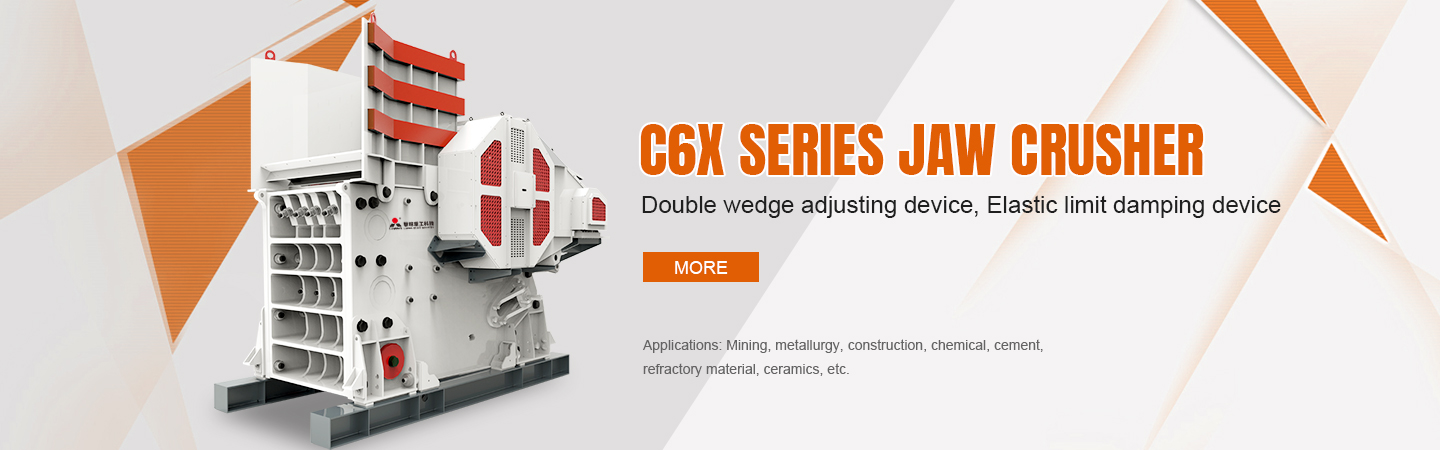
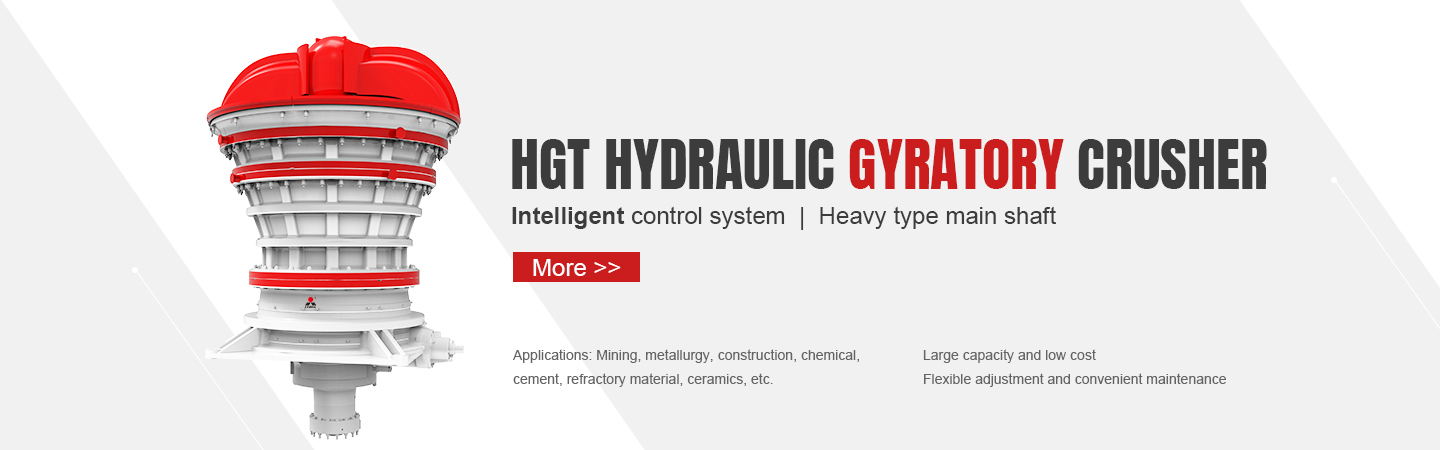
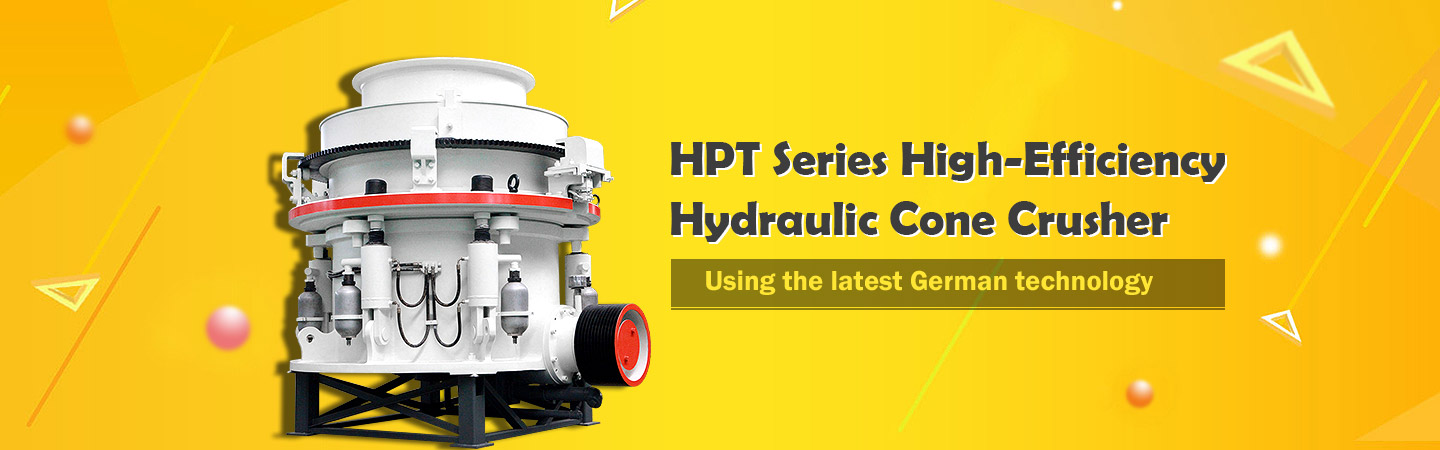
Modern sand processing systems integrate precision-engineered components to transform raw feed material into high-purity, specification-grade sand. The process begins with a primary crusher—typically a jaw or gyratory type—reducing large feed material to manageable sizes. This is followed by secondary and often tertiary crushing stages using cone or impact crushers to achieve the target particle size distribution, particularly critical for manufactured sand used in concrete and construction.
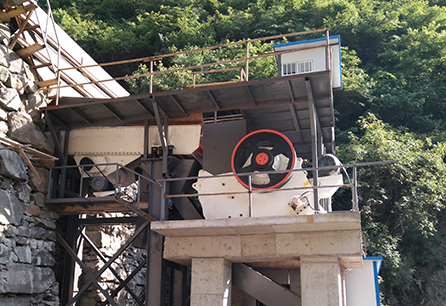
A vibrating feeder ensures uniform material flow into the crushing circuit, preventing surges and optimizing throughput. Post-crushing, sand screening is executed via high-frequency dewatering screens that separate coarse fractions from fines while reducing moisture content to <15%, enhancing downstream handling and product quality.
Sand screw classifiers play a dual role: washing and classifying sand particles by settling velocity. They effectively remove unwanted silt, clay, and organic contaminants, producing a clean, consistent product. For maximum yield, hydrocyclone-based fines recovery units capture 75–150-micron particles otherwise lost in wastewater streams. These units significantly improve sand recovery rates—often exceeding 90%—and reduce environmental discharge loads.
Water management is a cornerstone of sustainable operations. Closed-loop systems employ hydrocyclones paired with sedimentation tanks or filter presses to dewater slurry and recycle up to 90% of process water, minimizing freshwater intake and effluent volume.
Conveyor systems, designed for abrasion resistance and load capacity, transport material between stages with minimal spillage and energy use. Central to operational efficiency is the integration of PLC and SCADA systems, enabling real-time monitoring of flow rates, equipment status, and water quality. Automated controls adjust parameters dynamically, ensuring consistent product quality and reducing manual intervention.
The synergy of these components determines overall plant performance, with optimization focused on energy efficiency, water reuse, and product consistency—critical for meeting stringent construction and industrial specifications.
Types of Sand Processed and Applications Across Key Industries
-
Silica sand: Predominantly composed of quartz (SiO₂), silica sand is the most widely processed sand type due to its high hardness, chemical inertness, and thermal stability. It serves as a primary feedstock in glass manufacturing—flat glass, container glass, and specialty glass—where purity and consistent grain size are critical. High-purity silica sand is also essential in semiconductor and solar panel production, where minimal iron content ensures optimal optical and electrical performance.
-
Foundry sand: Engineered for metal casting applications, foundry sand must exhibit precise grain size distribution, thermal stability, and bond compatibility. Typically, it is blended with bentonite or resin binders to form molds for ferrous and non-ferrous metals. The sand’s refractoriness prevents deformation under molten metal temperatures, while controlled permeability allows gas escape during casting. Reclamation systems are often integrated to clean and reuse up to 90% of spent foundry sand, reducing waste and operational costs.
-
Construction sand: Also known as concrete or masonry sand, this type is processed to meet strict gradation and cleanliness standards. Free from organic impurities and oversized particles, it ensures strong cement-aggregate bonding in structural concrete, mortar, and asphalt. In addition to strength, proper sand grading enhances workability and finish quality in architectural applications.
-
Frac sand: A high-strength, durable silica sand meeting stringent API/ISO specifications for hydraulic fracturing in oil and gas extraction. Characterized by high sphericity, crush resistance, and uniform grain size (typically 0.1–2 mm), frac sand props open fractures in shale formations to enable hydrocarbon flow. Processing involves washing, sizing, and drying to remove fines and achieve API Grade G or higher.
-
Specialty sands: Include glass-grade silica with sub-0.05% Fe₂O₃ content, kiln-fed sand for ceramic bodies, and filtration sand used in municipal water treatment systems. Each variant demands tailored processing—such as magnetic separation, flotation, or acid washing—to meet industry-specific purity, shape, and size requirements.
These sand types illustrate the critical role of targeted processing in aligning physical and chemical properties with end-use performance demands across high-value industrial sectors.
Optimizing Efficiency and Sustainability in Sand Processing Operations
-
Implement closed-loop water recycling systems to minimize freshwater intake and reduce effluent discharge. Modern sand processing plants achieve water recovery rates exceeding 90% through efficient thickening, cycloning, and filter-press dewatering technologies. Integrating high-rate thickeners and automated polymer dosing optimizes solids capture and reduces chemical consumption.
-
Optimize hydrocyclone performance by matching feed pressure, inlet size, and vortex finder diameter to the specific sand gradation and throughput. Regular monitoring of underflow density and overflow clarity ensures peak classification efficiency. Advanced control systems with real-time density and flow sensors enable dynamic adjustment, reducing sand loss and improving product consistency.
-
Select energy-efficient drive systems for pumps, screens, and conveyors. Variable frequency drives (VFDs) allow motor speed to align with process demand, significantly cutting power consumption during low-load operations. High-efficiency motors (IE3 or IE4) with proper maintenance schedules further reduce lifecycle energy costs.
-
Deploy modular, mobile, or portable plant configurations to reduce site setup time, foundation requirements, and long-term environmental impact. These systems offer scalability and can be redeployed across sites, maximizing asset utilization and minimizing embodied carbon in construction.
-
Utilize predictive maintenance powered by IoT-enabled sensors on critical equipment. Monitoring vibration, temperature, and lubrication conditions on gearboxes, bearings, and pumps enables proactive intervention, reducing unplanned downtime and extending equipment life.
-
Conduct regular mass and water balance audits to identify inefficiencies in material recovery and water usage. Digital twin models of the processing circuit can simulate operational changes before implementation, supporting data-driven decisions on feed rate adjustments, equipment upgrades, or circuit reconfiguration.
-
Prioritize high-frequency, low-amplitude dewatering screens with polyurethane media for superior moisture reduction and longer wear life. Pair with automated spray systems to prevent blinding and maintain consistent throughput.
Sustainability in sand processing extends beyond environmental compliance—it directly correlates with operational efficiency. By integrating advanced automation, resource recovery, and predictive analytics, modern facilities reduce both cost and ecological footprint while maintaining consistent product quality and regulatory adherence.
Design, Installation, and Maintenance Best Practices for Long-Term Performance
-
Design for modularity to allow future scalability and adaptability to changing feed characteristics or production demands. Incorporate redundant systems for critical components such as feeders and dewatering screens to minimize downtime during maintenance or failure.
-
Conduct thorough site and material analysis during the design phase. Evaluate sand gradation, moisture content, silica composition, and abrasive properties to select wear-resistant materials (e.g., high-chrome alloys, polyurethane liners) for pumps, cyclones, and chutes. Properly size equipment based on peak throughput with a 10–15% safety margin to accommodate fluctuations.
-
Ensure optimal slope and support for conveyors, minimizing transfer points to reduce material degradation and spillage. Use impact beds and skirted conveyor systems at loading zones to extend belt life and contain fugitive material.
-
Install equipment on properly engineered foundations to mitigate vibration transmission, particularly for vibrating screens and crushers. Align drive systems precisely and use laser alignment tools during installation to prevent premature bearing and coupling failure.
-
Implement a structured maintenance program centered on condition monitoring. Utilize vibration analysis, thermal imaging, and oil analysis for early detection of wear in motors, gearboxes, and pumps. Schedule preventive maintenance during low-production periods to maximize uptime.
-
Design the layout to optimize material flow and minimize re-handling. Position crushers upstream of screening and classification units to reduce load on downstream equipment. Integrate wash water recycling systems with fine material recovery units (e.g., hydrocyclones, filter presses) to reduce water consumption and environmental impact.
-
Provide comprehensive operator training on equipment functionality, safety protocols, and troubleshooting procedures. Document standard operating procedures (SOPs) for startup, shutdown, and emergency response.
-
Equip the plant with real-time monitoring systems for key performance indicators (flow rates, pump pressure, screen efficiency) to enable proactive adjustments. Integrate SCADA or PLC-based controls for centralized data acquisition and process optimization.
-
Conduct annual performance audits to assess equipment efficiency, wear rates, and energy consumption. Use audit findings to update maintenance schedules, upgrade obsolete components, and refine operational parameters for sustained efficiency and longevity.
Frequently Asked Questions
What components are essential in a sand processing plant?
A sand processing plant typically includes feeders, crushers, screening machines, sand washing machines, dewatering systems, and conveyor belts. Advanced plants integrate hydrocyclones and fine material recovery units to maximize sand quality and recovery rates. Automation systems and control panels are also critical for efficient operation and monitoring.
How does a sand washing machine improve sand quality?
Sand washing machines remove dust, clay, silt, and other impurities from aggregates, enhancing the final product’s quality and strength. Spiral and log washers are commonly used for coarse sand, while screw classifiers and hydrocyclones are effective for fine sand. Proper washing increases the fineness modulus and ensures compliance with construction standards.
What is the role of dewatering screens in sand processing?
Dewatering screens remove excess moisture from processed sand, reducing water content to less than 10–15%. This improves handling, stacking, and transportation efficiency while ensuring sand meets moisture content specifications for concrete and masonry applications. High-frequency screens with wear-resistant polyurethane panels offer optimal performance.
How do hydrocyclones contribute to fine sand recovery?
Hydrocyclones use centrifugal force to separate fine sand particles (down to 100 mesh) from wastewater streams. Integrated into closed-circuit washing systems, they prevent loss of valuable fines and reduce environmental contamination. Coupled with sedimentation tanks or filter presses, they enable water recycling and zero-discharge operations.
What are the advantages of modular sand processing plants?
Modular plants offer faster installation, scalability, and mobility—ideal for temporary or remote sites. Pre-engineered components are tested for performance and safety, reducing downtime and permitting delays. They also support incremental expansion based on production demands and feed variability.
How can automation enhance sand processing efficiency?
Automation systems monitor feed rate, water flow, equipment status, and particle size distribution in real time. PLCs and SCADA systems enable predictive maintenance, optimize energy use, and ensure product consistency. Integration with digital twins allows simulation-based tuning for peak performance.
What maintenance practices extend the lifespan of sand plant equipment?
Routine maintenance includes daily lubrication, conveyor belt alignment, screen media inspection, and wear liner replacement. Monitoring crusher liners, pump seals, and bearing conditions prevents unplanned shutdowns. Predictive tools like vibration analysis and oil sampling identify issues before failure.
How do you optimize gradation in manufactured sand production?
Optimal gradation is achieved by adjusting crusher settings (closed-side discharge), screen deck configurations, and splitter positions. Closed-circuit plants with tertiary crushing and air classification systems allow precise control over particle size distribution to meet ASTM C33 or EN 12620 standards.
What environmental controls are necessary for sand processing?
Effective environmental management includes settling ponds, water recycling systems, dust suppression (e.g., misting systems), and noise enclosures. Compliance with local regulations requires monitoring of runoff water quality, air particulate emissions, and noise levels during operations.
Can sand processing plants operate with zero liquid discharge?
Yes, zero liquid discharge (ZLD) is achievable with high-rate thickeners, filter presses, and/or vacuum belt filters. These systems recover over 90% of process water and produce stackable solids for disposal or reuse. ZLD reduces freshwater demand and avoids environmental penalties.
What are the best practices for feed material consistency?
Consistent feed ensures stable operation and product quality. Use of hopper vibrators, pre-screening, and regulated feeding (via apron or belt feeders) minimizes surges. Quarry planning and material blending reduce variation in moisture content and particle size entering the plant.
How does silica sand processing differ from general sand processing?
Silica sand processing requires higher purity levels for industrial uses (e.g., glass, foundry, fracking). It involves additional purification steps like attrition scrubbing, acid leaching, magnetic separation, and flotation to reduce iron and other contaminants. Drying and classification to tight specifications are also essential.