Table of Contents
- Affordable Mini Gold Washing Plants Driving Small-Scale Mining Growth in South Africa
- How Mobile Gold Trommels Revolutionize Artisanal Mining Operations Across Rural SA
- Key Features of Compact Gold Wash Plants Ideal for South African Ore Conditions
- Regulatory Compliance and Environmental Considerations for Mini Wash Plant Use in South Africa
- Top Suppliers and Local Manufacturers of Mini Gold Washing Equipment in South Africa
- Frequently Asked Questions
- What is a mini gold washing plant and how does it work in South African conditions?
- How effective are mini gold washing plants for alluvial gold recovery in South Africa?
- What are the legal requirements for operating a mini gold washing plant in South Africa?
- Can a mini gold washing plant process hard rock ore in South Africa?
- What capacity options are available for mini gold washing plants in South Africa?
- How do water scarcity and environmental regulations impact mini gold plant operations in South Africa?
- What are the best practices for maximizing gold recovery in mini washing plants?
- Are there locally manufactured mini gold washing plants in South Africa?
- What maintenance protocols ensure longevity of mini gold washing plants?
- How do power supply challenges affect mini gold washing plant operations in remote SA areas?
- What is the typical cost range for acquiring and operating a mini gold washing plant in South Africa?
- Can multiple mini gold washing plants be deployed in fleet operations for larger-scale extraction?
In the dynamic landscape of South African mining, small-scale operations are increasingly turning to innovative, space-conscious solutions to maximize yield without compromising efficiency—ushering in a new era of sustainable extraction. At the heart of this transformation lies the mini gold washing plant, a compact yet powerful system engineered to deliver high recovery rates even in remote or resource-limited environments. Designed for mobility, ease of assembly, and minimal environmental impact, these modular plants are revolutionizing artisanal and small-scale gold mining across the region. From the mineral-rich hills of Mpumalanga to the alluvial deposits of Limpopo, operators are leveraging advanced trommel screens, sluice boxes, and gravity separation technology in portable configurations that adapt seamlessly to diverse geological conditions. With rising demand for cost-effective and eco-conscious mining methods, mini gold washing plants offer a strategic advantage—boosting productivity while reducing operational footprint. In South Africa’s evolving mining sector, these compact solutions are proving that small-scale doesn’t mean small impact.
Affordable Mini Gold Washing Plants Driving Small-Scale Mining Growth in South Africa
-
Compact and cost-effective mini gold washing plants are revolutionizing small-scale mining operations across South Africa, enabling artisanal miners and emerging cooperatives to achieve higher recovery rates with minimal capital investment. These systems, typically processing between 1 to 10 tons per hour, integrate screening, gravity separation, and sluicing into modular, transportable units ideally suited for remote and underserved mining regions.
-
Historically constrained by high operational costs and limited access to industrial-grade equipment, small-scale miners now benefit from localized manufacturing and simplified technologies that drastically reduce upfront and maintenance expenditures. Units powered by diesel or grid-compatible electric motors can be deployed rapidly with minimal site preparation, reducing downtime and accelerating time-to-production.
-
The affordability of these systems stems from streamlined designs using durable, off-the-shelf components and gravity-based recovery mechanisms—such as shaking tables, centrifugal concentrators, and sluice boxes—that minimize reliance on complex chemical processes. This not only lowers procurement and operational costs but also aligns with environmental and safety compliance standards increasingly emphasized by South African regulators.
-
In provinces such as Limpopo, Mpumalanga, and the Eastern Cape, where alluvial and residual gold deposits remain underexploited, mini washing plants have enabled community-led mining initiatives to formalize operations, improve yield accuracy, and integrate into legal supply chains. Their scalability allows operators to begin with basic trommel-based systems and later upgrade with advanced concentration modules as revenue grows.
-
Moreover, the reduced environmental footprint—lower water consumption, minimal reagent use, and modular dismantling—makes these systems favorable under South Africa’s Mineral and Petroleum Resources Development Act (MPRDA) and aligns with social license requirements. Training programs offered by equipment suppliers further enhance operational efficiency and safety, fostering long-term sustainability.
-
With continued support from government incentives and mining support agencies, the proliferation of affordable mini gold washing plants is expected to significantly contribute to inclusive economic development, job creation, and the formalization of artisanal mining in South Africa.
How Mobile Gold Trommels Revolutionize Artisanal Mining Operations Across Rural SA
-
Mobile gold trommels have emerged as transformative tools in artisanal and small-scale mining (ASM) operations across rural South Africa, addressing long-standing inefficiencies in mineral extraction. By integrating screening, scrubbing, and gravity separation into a single compact unit, these systems significantly enhance recovery rates while minimizing labor intensity and operational downtime.
-
Traditional panning and sluicing methods, still prevalent in remote regions, suffer from low throughput and high gold loss, particularly of fine particles. Mobile trommels counter these limitations through mechanical agitation and precise water flow management, achieving recovery efficiencies exceeding 90% for free-mill gold. Their modular design allows rapid deployment in rugged terrains where fixed infrastructure is impractical, making them ideal for transient alluvial deposits.
-
Energy efficiency and fuel economy are central to their adoption. Most units operate on diesel-powered generators or adapted vehicle engines, consuming less than 15 liters of fuel per 8-hour shift while processing 5–15 tons of material hourly. This balance of low operational cost and high output directly improves profit margins for small operators, many of whom operate on razor-thin budgets.

-
Environmental impact is mitigated through closed-loop water recycling systems, reducing freshwater consumption by up to 70%. Combined with sediment containment protocols, modern trommels align more closely with regulatory frameworks such as the Mineral and Petroleum Resources Development Act (MPRDA), enabling legal compliance without sacrificing productivity.
-
Maintenance simplicity further enhances their suitability. With minimal moving parts and accessible components, routine servicing can be performed by local technicians using basic tools, reducing dependency on external support and minimizing downtime.
-
Case deployments in regions like Barberton, Evander, and Welkom demonstrate measurable improvements: a 300% increase in daily yield compared to manual methods, with payback periods under six months in high-grade areas. Coupled with training initiatives from organizations like the Chamber of Mines, these units are fostering safer, more sustainable mining practices.
-
As South Africa seeks to formalize and optimize its ASM sector, mobile gold trommels represent a scalable, cost-effective solution that bridges technological disparity and empowers local economies through responsible resource utilization.
Key Features of Compact Gold Wash Plants Ideal for South African Ore Conditions
- Compact footprint suitable for remote and rugged South African terrains
- Modular design enabling rapid deployment and relocation across alluvial fields
- Integrated trommel screen (typically 4–6 feet in length) with dual or triple-deck configuration optimized for local clay-laden feed material
- High-pressure spray bars specifically calibrated to break down lateritic clays common in Witwatersrand and Barberton-type deposits
- Adjustable wash water recirculation system reducing dependency on fresh water sources in arid regions
- Gravity concentration units—typically sluice boxes with enhanced riffle designs or centrifugal concentrators—tuned for fine gold recovery down to 50 microns
- Corrosion-resistant components to withstand variable water chemistry, including high sulphate levels found in some mining areas
- Diesel or electric power options with fuel-efficient engines compliant with South African emission standards
- Pre-wired control panel with overload protection and motor monitoring for safe operation in high-ambient conditions
- Low maintenance design utilizing wear-resistant liners and easily replaceable screen panels to minimize downtime
South African small-scale operations often face challenges including clay-rich gravels, seasonal water scarcity, and difficult site access. Compact gold wash plants engineered for these conditions incorporate robust mechanical screening coupled with aggressive scrubbing action to disaggregate cemented overburden. Trommel retention time is optimized to balance throughput with liberation efficiency, typically processing 5–15 tons per hour depending on feed moisture and clay content.
Water efficiency is a critical design parameter. Closed-loop settling tanks or settling ponds are frequently paired with pumps and cyclone-assisted classification to recycle up to 85% of process water, aligning with environmental compliance requirements under the National Water Act. Dust suppression features are increasingly integrated, especially for dry-washing configurations used during drought periods.
Mobility is achieved through trailer-mounted frames with jacking systems, allowing quick setup on uneven ground typical of prospecting sites in provinces such as Limpopo and Mpumalanga. All drive components are sealed against dust and moisture ingress, ensuring durability in high-vibration environments.
These systems achieve recovery rates exceeding 90% on free-milling coarse gold and 80–85% on fine particles when properly maintained and operated by trained personnel. Their scalability and adaptability make them particularly effective for artisanal miners and junior exploration teams operating under constrained budgets and infrastructure.
Regulatory Compliance and Environmental Considerations for Mini Wash Plant Use in South Africa
-
Operators of mini gold washing plants in South Africa must comply with the Mineral and Petroleum Resources Development Act (MPRDA) of 2002, which governs all mineral extraction activities, including small-scale operations. Artisanal and small-scale miners must obtain either a mining permit or a mining right, depending on the scale and duration of operations, with applications submitted through the Department of Mineral Resources and Energy (DMRE).
-
Environmental compliance is primarily enforced under the National Environmental Management Act (NEMA) of 1998. Any mining activity, regardless of scale, requires an Environmental Management Programme (EMPr) approved by the Department of Forestry, Fisheries and the Environment (DFFE). For mini wash plants, this includes assessing impacts on water resources, soil stability, and biodiversity, with specific attention to sediment runoff and chemical use.
-
Water usage is regulated under the National Water Act (NWA) of 1998. Operators must obtain a lawful water use authorization if abstraction exceeds specified thresholds or if activities impact water quality. Given that wash plants discharge process water, compliance with effluent discharge standards under the General Authorisations for Water Use is mandatory. Sedimentation ponds and closed-loop water recycling systems are strongly recommended to minimize discharge and meet regulatory thresholds.
-
The use of mercury or cyanide in gold recovery, though uncommon in basic mini wash plants, triggers additional regulatory scrutiny under the Hazardous Substances Act and international obligations such as the Minamata Convention. Mercury use is effectively prohibited without special authorization, and best practices mandate mechanical gravity separation methods to avoid chemical contamination.
-
Local municipal by-laws may impose restrictions on noise, dust, and operating hours, particularly in proximity to residential areas. Compliance often requires dust suppression measures, sound-dampening equipment, and community engagement protocols.
-
Non-compliance can result in penalties, including fines, operational suspension, or criminal charges. Regulatory bodies conduct periodic audits and site inspections, emphasizing proactive compliance over remediation.
-
Sustainable operation requires not only adherence to legal frameworks but also implementation of environmental best practices: site rehabilitation planning, erosion control, and responsible tailings management. Operators are encouraged to align with the South African Mining Indaba’s sustainability benchmarks and engage accredited environmental assessment practitioners for EMPr development.
Top Suppliers and Local Manufacturers of Mini Gold Washing Equipment in South Africa
-
Sepro Systems (Pty) Ltd
A leading engineering firm based in Johannesburg, Sepro Systems specializes in modular and compact mineral processing solutions tailored for small-scale and artisanal mining. Their mini gold washing plants integrate proven technologies such as the Sepro Tyre Drive Scrubber and Falcon Concentrators, offering high recovery rates in constrained operational environments. These systems are designed for mobility, low maintenance, and efficient water usage—critical factors in South Africa’s arid regions. Sepro’s equipment is widely used across artisanal gold operations in Limpopo and Mpumalanga, supported by comprehensive on-site commissioning and technical training. -
Jig Africa (Pty) Ltd
Based in Pretoria, Jig Africa focuses on gravity-based separation technology, providing compact, containerized gold washing units ideal for remote sites. Their mini plants incorporate robust trommel screens, sluice boxes, and Knelson-style concentrators, engineered for rapid deployment and minimal setup time. These systems are especially effective in alluvial and weathered ore applications, common in South Africa’s Witwatersrand Basin. Jig Africa emphasizes energy efficiency and water recycling, aligning with stringent environmental regulations. -
Multotec Process Equipment
Headquartered in Delta, KwaZulu-Natal, Multotec offers modular gold washing solutions combining high-capacity feeders, scalping screens, and gravity concentrators. Their mini washing plants are fabricated using wear-resistant materials, ensuring longevity in abrasive feed conditions. With manufacturing facilities across South Africa, Multotec delivers localized support, fast turnaround, and customization for varying ore characteristics. Their partnership with global technology providers enhances performance while maintaining cost efficiency for small operators. -
Weir Minerals Africa
Operating from multiple regional hubs, Weir Minerals supplies compact hydrocyclone and slurry pump packages integrated into mini washing circuits. While not full plant manufacturers, their components are critical in optimizing recovery efficiency and throughput in small-scale operations. Their Warman pumps and Cavex hydrocyclones are frequently incorporated into localized plant assemblies by engineering contractors serving remote mining communities. -
Local Fabricators and Engineering Workshops
Numerous regional workshops in gold-rich provinces—including Ekurhuleni, Stilfontein, and Barberton—specialize in custom-built mini wash plants. These manufacturers often adapt designs using second-hand components and local steel fabrication, providing economical solutions under 5 t/h capacity. Though less standardized, these systems are vital for informal miners requiring low capital entry points. Increasing collaboration with technical consultants ensures improved safety and environmental compliance.
Frequently Asked Questions
What is a mini gold washing plant and how does it work in South African conditions?
A mini gold washing plant is a compact, mobile processing unit designed to extract gold from alluvial or placer deposits. In South Africa’s diverse geology—particularly in regions like the Witwatersrand Basin and Free State goldfields—these plants use vibrating feeders, trommel screens, and sluice boxes or centrifugal concentrators to separate gold from sediment. Their modular design allows efficient operation in remote or small-scale mining areas where infrastructure is limited, making them ideal for artisanal and small-scale miners (ASM) operating under South African Mineral and Petroleum Resources Development Act (MPRDA) regulations.
How effective are mini gold washing plants for alluvial gold recovery in South Africa?
Mini gold washing plants achieve recovery rates of 85–95% for coarse and free-milling alluvial gold when properly configured. Effectiveness depends on feed grade, material consistency, and proper setup. In South African contexts, where saprolite and weathered conglomerates often contain fine, gravity-recoverable gold, pairing the plant with shaking tables or Knelson concentrators significantly enhances fine gold capture, particularly in low-grade deposits common in Mpumalanga and Limpopo provinces.
What are the legal requirements for operating a mini gold washing plant in South Africa?
Operators must hold a valid mining permit or prospecting right issued by the Department of Mineral Resources and Energy (DMRE). Artisanal miners require a MPRDA Section 28 authorization or must operate under a mining right holder’s authorized permit. Environmental authorization under NEMA (National Environmental Management Act) and water use licensing from DWS (Department of Water and Sanitation) are mandatory. Non-compliance risks prosecution under the MPRDA and substantial fines.
Can a mini gold washing plant process hard rock ore in South Africa?
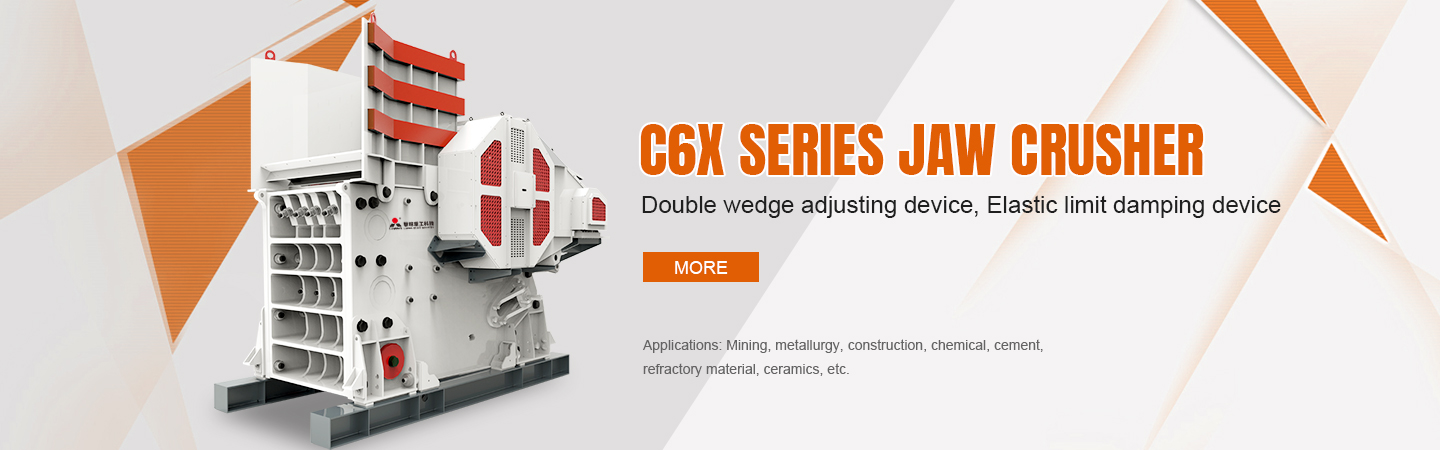
While primarily designed for alluvial material, mini washing plants can pre-process weathered hard rock ore if paired with a jaw crusher and grinding circuit. However, most free-standing mini plants lack integrated crushing and are inefficient for primary hard rock breakage. For semi-hard or oxidized ores in goldfields like Barberton, pre-crushing to <50mm feed size is essential, followed by classification and gravity concentration—best achieved through hybrid setups combining mobile crushers with modular wash plants.
What capacity options are available for mini gold washing plants in South Africa?
Standard mini gold washing plants range from 5 to 30 tons per hour (tph). Units processing 5–10 tph suit artisanal miners and small concession holders, while 15–30 tph models serve junior mining operations. In South Africa, scalability is critical—many suppliers offer skid-mounted, relocatable systems with modular upgrades. Customizable trommel lengths and dual-stage washing improve throughput in clay-rich alluvial zones common in the northern goldfields.
How do water scarcity and environmental regulations impact mini gold plant operations in South Africa?
Water scarcity in regions like the Northern Cape necessitates water recycling systems. Modern mini plants integrate settling ponds and flocculation units to achieve up to 90% water recirculation, reducing DWS compliance risk. Dry-washing alternatives exist but are less effective for fine gold. Operators must submit Water Use License (WUL) applications and conduct environmental impact assessments (EIA) to mitigate sediment runoff and chemical contamination, especially near ecologically sensitive areas.
What are the best practices for maximizing gold recovery in mini washing plants?
Key practices include: (1) Pre-screening feed to remove oversized material, (2) Optimizing feed rate to prevent sluice overload, (3) Using high-G-force centrifugal concentrators (e.g., Falcon SB or Knelson) for fine gold, (4) Regular sluice matting maintenance, and (5) Implementing real-time grade monitoring. In South Africa, collaborating with metallurgical consultants to tailor recovery circuits to local mineralogy—such as incorporating Wilfley tables for fine-grained gold—enhances efficiency.
Are there locally manufactured mini gold washing plants in South Africa?
Yes—companies such as Weir Minerals Africa, Multotec, and Jig Africa design and manufacture mini washing plants tailored to South African conditions. These units incorporate locally sourced materials and support service networks across mining hubs like Johannesburg, Witbank, and Rustenburg. Locally-built plants offer better after-sales service, technician availability, and compliance with South African Bureau of Standards (SABS) and DMRE requirements.
What maintenance protocols ensure longevity of mini gold washing plants?
Critical protocols include daily inspection of screen meshes, conveyor belts, and slurry pumps; weekly greasing of bearings; monthly trommel drum alignment checks; and quarterly evaluation of sluice box integrity. In South Africa’s abrasive environments, using chrome-hardened components and corrosion-resistant coatings extends lifespan. Scheduled maintenance logs are essential for DMRE compliance audits and operational efficiency.
How do power supply challenges affect mini gold washing plant operations in remote SA areas?
Many remote sites lack grid connectivity, requiring diesel-powered generators or hybrid solar-diesel systems. Modern mini plants increasingly offer electric or hybrid drive options compatible with renewable energy integration. Load matching through variable frequency drives (VFDs) reduces fuel consumption and emissions—key for compliance with South Africa’s Carbon Tax Act and Department of Environment, Forestry and Climate Change (DEFF) standards.
What is the typical cost range for acquiring and operating a mini gold washing plant in South Africa?
Initial costs range from ZAR 500,000 to ZAR 3 million, depending on capacity and level of automation. Operational costs include fuel (ZAR 80,000–150,000/month for 20 tph), maintenance (ZAR 15,000–30,000/month), and compliance (licensing, monitoring). ROI depends on ore grade—economic viability typically requires feed grades above 0.5 g/t in high-throughput scenarios, with breakeven often achieved within 6–12 months under optimal conditions.
Can multiple mini gold washing plants be deployed in fleet operations for larger-scale extraction?
Yes—fleet deployment is common among junior miners and cooperatives holding larger claims. Synchronized operations allow staged processing and redundancy. In South Africa, coordinated mini-plant fleets are used in alluvial reprocessing projects on historical tailings dams (e.g., Gauteng’s West Wits region). Centralized control systems and shared maintenance hubs improve cost-efficiency and regulatory compliance across the fleet.