


Table of Contents
- Raw Material Extraction and Aggregate Delivery to the Asphalt Plant
- Aggregate Screening and Classification in the Cold Feed System
- Drying, Heating, and Mixing in the Drum or Batch Unit
- Asphalt Binder and Additive Integration for Optimal Mix Quality
- Final Product Storage, Loading, and Quality Control Procedures
- Frequently Asked Questions
- What are the primary stages in the basic flow of an asphalt plant?
- How does aggregate drying and heating impact asphalt mix quality?
- Why is counter-flow drum technology considered advanced in modern asphalt plants?
- What role does the Hot Elevator play in the asphalt production process?
- How do hot bins contribute to mix design accuracy?
- What is the purpose of the weighing and batching system in an asphalt plant?
- How does the mixing cycle affect asphalt mix homogeneity?
- What emissions control systems are essential in modern asphalt plants?
- How is RAP (Reclaimed Asphalt Pavement) integrated into the asphalt production flow?
- What quality assurance tests are conducted during asphalt production?
- How does plant calibration affect final mix consistency?
- What maintenance protocols ensure uninterrupted asphalt plant operation?
Every road that stretches across cities and connects communities begins with a precise, high-energy transformation deep within an asphalt plant. At the heart of this process lies a sophisticated yet methodical workflow that converts raw aggregates and bitumen into the durable paving material essential for modern infrastructure. From the moment aggregates are fed into the cold feed bins to their drying, heating, and precise mixing with liquid asphalt cement, each stage is engineered for consistency, quality, and efficiency. Dust control, temperature regulation, and strict adherence to mix design formulas ensure the final product meets rigorous performance standards. Modern asphalt plants—whether batch or drum mix types—integrate advanced automation and environmental controls to optimize output while minimizing emissions. Understanding this seamless flow not only reveals the complexity behind seemingly simple pavement but also underscores the innovation driving sustainable construction. This guide unpacks each phase of the asphalt plant process, offering a clear, comprehensive view of how raw materials evolve into the foundation of our transportation networks.
Raw Material Extraction and Aggregate Delivery to the Asphalt Plant
-
Extraction of raw materials begins with the quarrying or mining of natural aggregates, primarily crushed stone, gravel, and sand, sourced from geologically stable formations to ensure material consistency and structural integrity. These materials are selected based on gradation, hardness, and resistance to weathering, critical for durable asphalt performance.
-
Primary extraction employs drilling and blasting techniques in hard rock quarries or hydraulic excavation in alluvial deposits. Once loosened, the raw materials are loaded using hydraulic excavators or front-end loaders onto haul trucks for transport to primary crushers located either on-site or near the asphalt plant.
-
Primary crushing reduces oversized rock into manageable fragments, typically ranging from 6 to 10 inches. The material then undergoes secondary and sometimes tertiary crushing stages to achieve specified size fractions. A series of vibrating screens segregate the crushed aggregate into defined size bins, aligning with mix design requirements.
-
Stockpiling follows screening, where aggregates are stored in segregated piles to prevent contamination and maintain quality control. Effective stockpile management includes covering or spraying to minimize dust and moisture variation, both of which can impair mixing efficiency and final mix consistency.
-
Moisture content is monitored continuously, as excessive moisture affects drying efficiency at the plant. Laboratories conduct routine tests on aggregate samples for gradation, abrasion resistance (Los Angeles Abrasion), and cleanliness (clay and silt content) to ensure compliance with ASTM and AASHTO standards.
-
Transport from quarry to plant occurs via dump trucks or conveyor systems, depending on proximity. For remote sources, rail or barge may be used to deliver bulk aggregates economically. Delivery schedules are coordinated with plant production cycles to maintain continuous operation while minimizing on-site storage demands.
-
At the asphalt plant, incoming aggregates are re-screened and fed into cold feed bins, marking the transition from raw material supply to production. Traceability and batch documentation ensure full accountability throughout the supply chain, supporting compliance with transportation agency specifications and quality assurance protocols.
-
Sustainable practices increasingly influence extraction methodology, including pit reclamation, dust suppression, and the integration of recycled materials such as reclaimed asphalt pavement (RAP) and recycled concrete aggregate (RCA), which reduce virgin resource consumption and environmental impact.
Aggregate Screening and Classification in the Cold Feed System
-
Aggregates delivered to the asphalt plant are typically unsorted, containing a range of particle sizes and potential contaminants such as clay, silt, or organic matter. The cold feed system initiates processing by addressing heterogeneity through aggregate screening and classification, ensuring material uniformity before thermal treatment.
-
Screening occurs immediately upon aggregate entry into the cold feed system, usually via vibrating grizzlies or inclined vibrating screens. These mechanisms separate oversized materials and undersized fines, directing them to appropriate disposal or recycling paths. The primary objective is to pre-classify aggregates into controlled size fractions that align with the target gradation specified in the mix design.
-
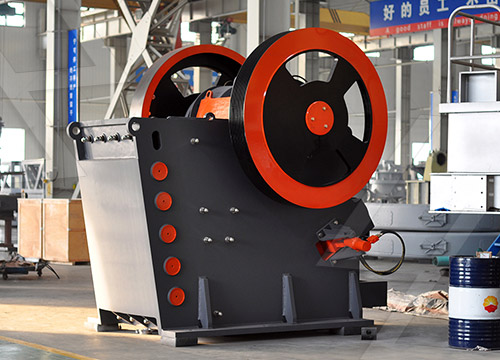
Vibrating screens operate with multiple decks, each fitted with progressively finer screen media. Coarse particles are removed on upper decks, while intermediate and fine aggregates pass through successive layers. Screen amplitude, frequency, and deck inclination are calibrated to optimize throughput and separation efficiency based on aggregate gradation and moisture content.
-
Classification extends beyond physical separation; it involves consistent material flow regulation. Each cold feed bin corresponds to a specific size fraction, allowing precise batching control during mix formulation. Proper bin allocation prevents segregation and ensures accurate volumetric or gravimetric proportioning in later stages.
-
Moisture content significantly influences screening efficiency. Damp aggregates tend to adhere to screen surfaces, reducing open area and promoting blinding. Pre-drying or the use of self-cleaning screen media—such as polyurethane or rubber-ball decks—mitigates this issue in high-moisture feedstocks.
-
Regular maintenance of screen decks, springs, and vibratory motors is essential to sustain classification accuracy. Worn or misaligned components introduce gradation variability, compromising mix integrity and potentially leading to non-compliant asphalt output.
-
Automated monitoring systems often integrate load cells and real-time gradation sensors to verify feed consistency. Deviations trigger alerts or automatic adjustments, maintaining alignment with mix design parameters.
-
Effective screening and classification in the cold feed system establish the foundation for consistent aggregate gradation, directly influencing mix stability, durability, and compliance with engineering specifications. This phase, though early in the process, critically determines the quality potential of the final asphalt product.
Drying, Heating, and Mixing in the Drum or Batch Unit
-
Cold aggregate is introduced into the drying drum or batch unit, where initial moisture removal and temperature elevation begin. The primary objective is to reduce moisture content to less than 0.5% while uniformly heating the aggregate to precise temperatures, typically between 280°F and 325°F (138°C–163°C), depending on mix design and binder grade.
-
Combustion gases generated by a burner—usually fueled by natural gas, oil, or alternative fuels—flow in parallel or counterflow to the aggregate stream. This direct contact ensures efficient heat transfer. The design of the drum, including flight arrangement and retention time, is critical for achieving uniform drying without overheating or degradation of fine particles.
-
Continuous monitoring of exhaust gas temperature and moisture content provides real-time feedback for burner modulation, optimizing fuel consumption and minimizing emissions. Modern systems integrate automated controls to maintain consistency across variable feed rates and ambient conditions.
-
In drum-mix plants, drying and mixing occur in a single continuous process. Asphalt binder and reclaimed asphalt pavement (RAP), if used, are introduced downstream in the drum where temperatures are lower, preventing binder aging. The final mixture exits the drum at a tightly controlled temperature suitable for transport and compaction.
-
Batch plants operate differently: dried and heated aggregate is discharged into a hot elevator and conveyed to a multi-bin hot aggregate storage unit. After weighing, the aggregate is pneumatically transferred to a mixing chamber. Here, precisely measured asphalt binder—typically between 4% and 6% by weight—and optional additives are introduced. Mixing occurs under controlled time and temperature parameters, usually lasting 30 to 50 seconds, ensuring complete coating and homogeneity.
-
The integrity of the final mix relies on precise temperature control throughout. Overheating risks binder oxidation and fume generation; underheating compromises workability and adhesion. Strict adherence to mix design specifications, including gradation and asphalt content, ensures compliance with performance requirements.
-
Emissions from the drying and mixing process are captured through a baghouse or other filtration systems, maintaining environmental compliance while preserving mix quality.
Asphalt Binder and Additive Integration for Optimal Mix Quality
-
Asphalt binder and performance-enhancing additives must be precisely integrated to meet design specifications, environmental conditions, and traffic demands. The selection and dosing of binder grade—whether PG 64-22, PG 70-28, or polymer-modified variants—directly influence mix durability, rut resistance, and low-temperature cracking performance.
-
Optimal integration begins at the storage and handling stage, where binders are maintained at proper temperatures to prevent aging or phase separation, particularly critical for modified binders. Polymer-modified asphalt (PMA) requires extended digestion periods and mechanical agitation to ensure homogeneity and avoid degradation during storage.
-
Additives, including rejuvenators, anti-stripping agents, warm-mix technologies (e.g., Sasobit, Evotherm), and fibers, are introduced either at the blending stage or directly into the mixing chamber. Rejuvenators restore aged binder rheology in high-recycled mixes (RAP/RAS), while anti-stripping agents—typically amines or lime-based compounds—improve adhesion between binder and aggregate in moisture-prone environments.
-
Warm-mix asphalt (WMA) additives reduce production and compaction temperatures by 20–40°C, lowering fuel consumption and emissions without compromising workability or long-term performance. Chemical additives modify surface tension, while foaming techniques expand binder volume for improved coating. Compatibility with existing binder chemistry must be verified to prevent instability.
| Additive Type | Primary Function | Typical Dosage Range |
|---|---|---|
| Polymer Modifiers | Enhance elasticity, high-temp stability | 3–6% by binder weight |
| Rejuvenators | Restore maltenes in aged binder | 5–15% by binder weight |
| Anti-stripping agents | Improve moisture resistance | 0.3–0.5% by binder weight |
| WMA Chemical Agents | Reduce viscosity at lower temps | 0.3–0.8% by binder weight |
-
Integration occurs via automated injection systems calibrated for precise metering into the binder stream or pugmill. Real-time monitoring ensures consistent dosing despite variations in mix throughput or RAP content. Deviations compromise coating efficiency, compaction, and in-service performance.
-
Quality assurance includes rotational viscometry, dynamic shear rheometry (DSR), and binder extraction from produced mix to verify additive effectiveness and compliance with specification requirements. Proper integration ensures the final mix achieves target stiffness, fatigue resistance, and long-term pavement performance.
Final Product Storage, Loading, and Quality Control Procedures
-
Final product storage occurs immediately after asphalt mixture discharge from the mixer. Hot mix asphalt (HMA) is conveyed via elevated belt systems to insulated storage silos, typically ranging from 80 to 200 tons capacity. Silos are equipped with internal thermocouples and level sensors to monitor temperature and inventory in real time. To prevent thermal segregation and oxidation, storage duration should not exceed 24 hours under standard conditions, with temperature maintained between 140°C and 160°C using controlled insulation and minimal exposure to ambient air.
-
Prior to loading, silo discharge gates are activated to release material into heated, insulated truck beds. Loading procedures require precise coordination between plant operators and transport dispatchers to minimize idle time and thermal loss. Trucks must present verification of clean, dry beds, free of contaminants, and be equipped with thermal blankets to maintain mix integrity during transit. Load weights are recorded via integrated weighbridges, with data automatically logged into the plant’s production management system for traceability.
-
Quality control protocols are enforced at multiple stages during storage and loading. A representative sample is extracted during loading for each batch or continuous production segment, per ASTM D979 or AASHTO T 312 standards. Samples undergo rigorous testing, including asphalt content analysis (by ignition or extraction), gradation verification, and volumetric assessment (air voids, VMA, VFA). Any deviation beyond project specifications triggers immediate corrective action, including batch quarantine or process parameter adjustment.
-
Real-time data from temperature sensors, load cells, and sampling results are compiled into digital quality dossiers for each delivery. These records support compliance with agency requirements and serve as audit documentation. Automated alerts notify supervisors of anomalies, ensuring rapid response. Only after final approval by the quality manager is a load released for transport to the paving site.
-
Preventive maintenance of silos, discharge mechanisms, and loading conveyors is conducted daily to ensure operational continuity and product consistency. All procedures adhere to ISO 9001 quality management principles, with documented workflows and personnel certifications maintained on-site.
Frequently Asked Questions
What are the primary stages in the basic flow of an asphalt plant?
The basic flow of an asphalt plant consists of the following primary stages: cold feed aggregation, drying and heating, screening and separation, hot bin storage, weighing and batching, mixing, and final product discharge. These stages ensure precise combination of aggregates and asphalt binder to produce a uniform, high-quality mix ready for paving applications.
How does aggregate drying and heating impact asphalt mix quality?
Aggregate drying and heating remove moisture and elevate material temperature to 280–350°F (138–177°C), which is critical for proper coating of aggregates by liquid asphalt binder. Inadequate drying leads to steam pockets and poor adhesion, while overheating can degrade asphalt properties. Precision in temperature control directly affects mix durability and longevity.
Why is counter-flow drum technology considered advanced in modern asphalt plants?
Counter-flow drum mixers separate drying and mixing zones within the same drum, allowing aggregates to be dried with direct-fired heat in one direction while asphalt binder is introduced downstream in the opposite flow. This design reduces emissions, minimizes binder aging, improves fuel efficiency, and enhances mix consistency—key benefits for compliance with environmental regulations and performance standards.
What role does the Hot Elevator play in the asphalt production process?
The Hot Elevator (or bucket elevator) transports heated, dried aggregates from the dryer drum to the hot bin section. It must be precisely engineered to handle high temperatures and heavy loads without spillage or material degradation. Its efficiency directly impacts plant throughput and batch consistency.
How do hot bins contribute to mix design accuracy?
Hot bins segregate aggregates by size after screening and store them at elevated temperatures. Each bin corresponds to a specific gradation fraction, allowing precise volumetric control during weighing and batching. Proper segregation in hot bins is essential for achieving target air voids, stability, and aggregate interlock as defined by Superpave or Marshall mix design methodologies.
What is the purpose of the weighing and batching system in an asphalt plant?
The weighing and batching system ensures precise measurement of aggregates from each hot bin, mineral filler, and liquid asphalt binder before introduction into the mixer. Modern systems use load cells and PLC controls to achieve tolerance within ±0.25% on binder and ±0.5% on aggregates, ensuring compliance with mix design specifications and reducing variability.
How does the mixing cycle affect asphalt mix homogeneity?
The mixing cycle typically lasts 30 to 70 seconds and must ensure uniform encapsulation of aggregates by asphalt binder. Insufficient mixing time results in ‘streaking’ or dry spots; excessive mixing may cause binder stripping. High-shear paddles and computer-controlled timing optimize dispersion and rheological performance of the final mix.
What emissions control systems are essential in modern asphalt plants?
Essential emissions control includes baghouse filters, counter-flow scrubbers, and carbon-reduction systems to capture particulate matter, fumes, and VOCs. Advanced plants may integrate double-drum recycling systems with RAP (Reclaimed Asphalt Pavement) to lower combustion emissions and meet EPA or EU Industrial Emissions Directive standards.
How is RAP (Reclaimed Asphalt Pavement) integrated into the asphalt production flow?
RAP is introduced at the cold feed stage or bypassed into the mixing chamber via a dedicated conveyor or injector system. In parallel drum plants, it is heated separately to prevent binder ignition. Advanced designs allow RAP inclusion up to 50–100%, reducing virgin binder use and promoting sustainability while maintaining mix performance.
What quality assurance tests are conducted during asphalt production?
In-process QA includes continuous monitoring of gradation (via sieve analysis), asphalt content (nuclear gauges or ignition ovens), temperature profiling, and volumetric properties. Offline tests such as Marshall Stability, void analysis, and dynamic modulus verify compliance with project specifications and long-term performance criteria.
How does plant calibration affect final mix consistency?
Plant calibration ensures accurate aggregate flow rates, binder metering, and thermometer readings. All scales, sensors, and control systems must be audited regularly per ASTM D979 and AASHTO standards. Poor calibration leads to non-compliant mixes, potential rework, and pavement failures, increasing lifecycle costs.
What maintenance protocols ensure uninterrupted asphalt plant operation?
Critical protocols include daily inspection of burner systems, conveyor alignments, and baghouse integrity; weekly screening deck and mixer blade assessments; and quarterly calibration of all weighing and temperature systems. Predictive maintenance using vibration analysis and infrared thermography prevents unplanned downtime and ensures peak efficiency.