
Table of Contents
- Understanding the Basics of Crushing in Material Processing
- Types of Crushing Equipment and Their Operational Principles
- Key Applications of Crushing Across Mining and Construction Industries
- Crushing vs. Grinding: Differentiating Size Reduction Techniques
- Advancements and Sustainability in Modern Crushing Technology
- Frequently Asked Questions
- What is crushing and how does it function in material processing?
- What are the main types of crushing equipment used in industrial operations?
- How does the choice of crusher impact energy efficiency and operational costs?
- What are the key performance indicators (KPIs) for evaluating crushing efficiency?
- How does crushing differ from grinding in size reduction processes?
- What role does material hardness play in crusher selection and operation?
- What are the environmental and safety considerations in modern crushing operations?
- How is automation integrated into contemporary crushing circuits?
- What maintenance practices are critical for maximizing crusher uptime?
- How does feed material preparation affect crushing performance?
- What are the latest technological advancements in crushing equipment?
- How is crushed product quality measured and controlled?
Crushing is a cornerstone process in the extraction and processing of raw materials, serving as the critical first step in reducing large, unwieldy solids into manageable fragments suitable for further processing. From mining and construction to recycling and chemical manufacturing, crushing plays an indispensable role in enhancing material handling, improving efficiency, and unlocking economic value. By applying mechanical force to break down rocks, ores, and bulk materials, crushing operations enable downstream processes such as grinding, screening, and separation to function effectively. The science behind crushing balances energy consumption, particle size distribution, and equipment durability, making it both an art and an engineering challenge. Advances in crusher design and automation have elevated precision and throughput, yet the fundamental principles remain rooted in mechanical advantage and material science. As global demand for processed materials continues to rise, understanding the fundamentals of crushing is essential for optimizing industrial operations and sustaining resource efficiency across sectors.
Understanding the Basics of Crushing in Material Processing
-
Crushing is a fundamental unit operation within material processing that reduces the size of solid raw materials through mechanical force. It serves as the primary stage in comminution—the broader process of particle size reduction—enabling downstream operations such as grinding, screening, and separation. The objective of crushing is twofold: to liberate valuable components embedded within host matrices and to produce a uniform particle size distribution suitable for subsequent processing.
-
The effectiveness of crushing hinges on the mechanical properties of the feed material, including hardness, toughness, moisture content, and abrasiveness. Materials such as ores, aggregates, and industrial minerals undergo crushing to meet specific size criteria dictated by application requirements in mining, construction, metallurgy, and recycling industries. The process typically operates on feed sizes ranging from several hundred millimeters down to a few centimeters, depending on equipment configuration.
-
Industrial crushing is achieved through various mechanisms: compression, impact, attrition, and shear. Compression crushing, employed in jaw and gyratory crushers, applies high pressure to fracture brittle materials. Impact crushing, used in hammer and impact crushers, utilizes rapid blows to shatter material, making it effective for softer or moderately hard substances. Attrition and shear dominate in fine crushing and grinding applications but play a secondary role in primary size reduction.
-
Equipment selection is critical and depends on throughput demands, feed characteristics, and desired product size. Jaw crushers are favored for primary reduction due to their reliability and ability to handle feed variability. Gyratory crushers offer higher capacity and are common in large-scale mining operations. Cone crushers, typically used in secondary and tertiary stages, provide finer control over product gradation.
-
Energy efficiency, wear resistance, and operational safety are paramount in crusher design and operation. Modern systems integrate automation for real-time monitoring of feed rate, power consumption, and chamber clearance, optimizing performance and minimizing downtime.
-
In industrial contexts, crushing is not merely a preparatory step but a determinant of overall process efficiency. Improper size reduction can lead to downstream bottlenecks, increased energy consumption, and diminished product quality. Therefore, understanding the principles of mechanical size reduction and selecting appropriate crushing technology are essential for maximizing productivity and operational economy.
Types of Crushing Equipment and Their Operational Principles
-
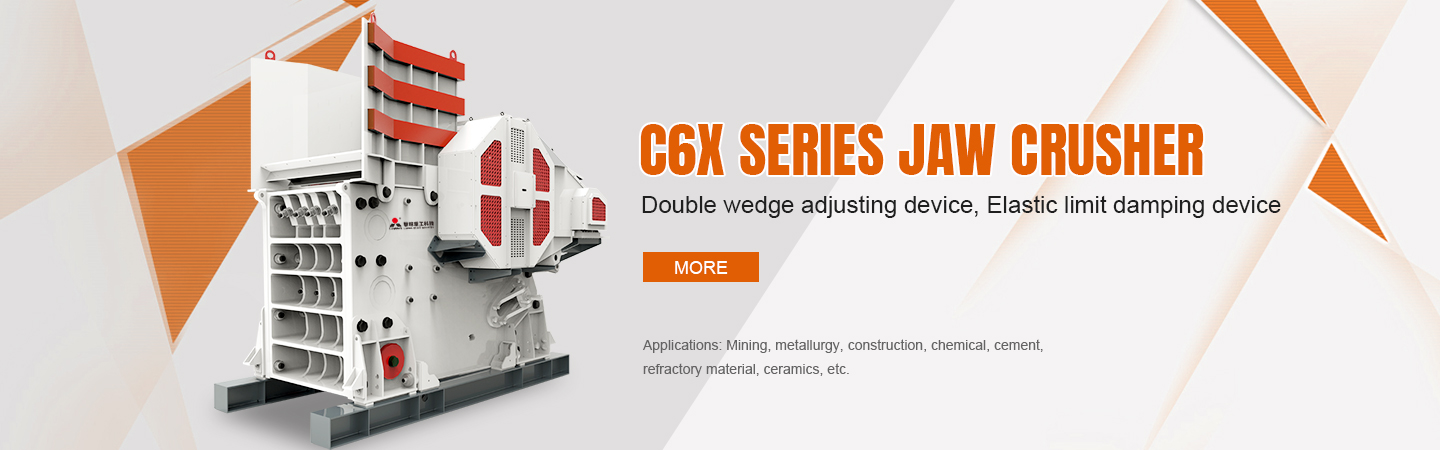
Jaw Crushers: Utilize compressive force to reduce material size between a fixed and a movable jaw. The movable jaw exerts mechanical pressure via an eccentric shaft, drawing material into the crushing chamber where it fractures along natural fissures. Suitable for primary crushing of hard, abrasive feedstocks, jaw crushers operate on the principle of fixed-geometry compression with high reduction ratios and reliable performance in high-tonnage applications.
-
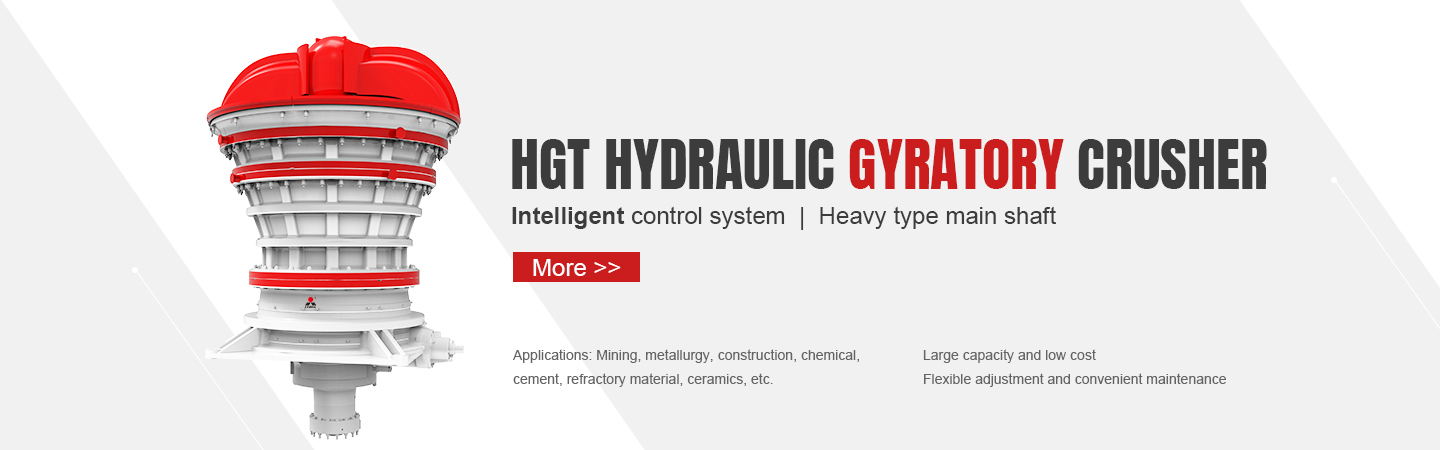
Gyratory Crushers: Employ a rotating mantle within a concave bowl liner to crush material through continuous compression. The mantle’s gyratory motion, driven by an eccentric assembly, compresses feed against the stationary concave surface. Ideal for large-scale primary crushing in mining, these units offer high throughput and consistent product size but require significant structural support and maintenance infrastructure.
-
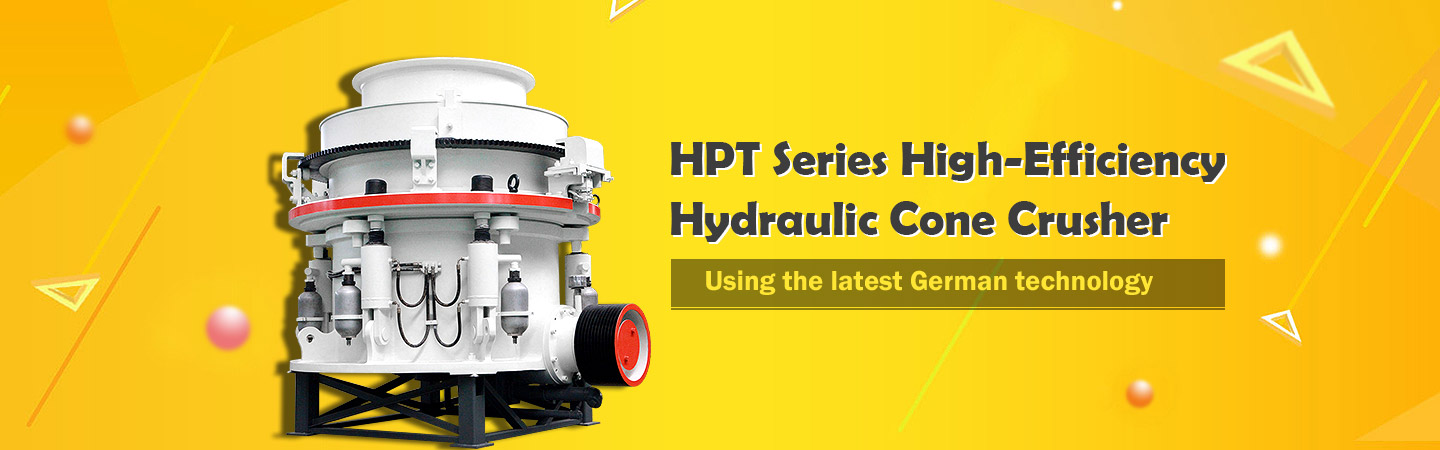
Cone Crushers: Designed for secondary and tertiary crushing, they operate by compressing material between a rotating mantle and a fixed concave liner. The crushing action results from both compression and attrition, enhanced by the steep cone angle and controlled eccentric motion. Modern variants (e.g., hydraulic adjustment and tramp relief systems) improve operational flexibility and protect against uncrushable materials.
-
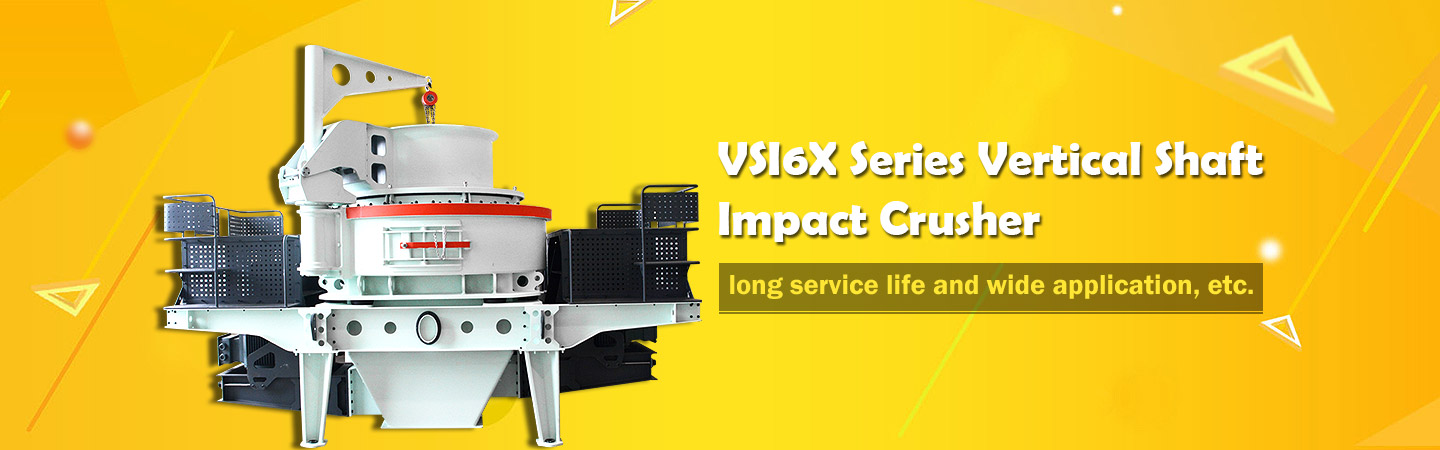
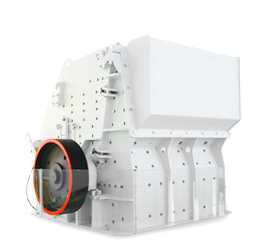
Impact Crushers: Rely on kinetic energy transfer via high-speed hammers or blow bars mounted on a spinning rotor. As material enters the rotor chamber, it is accelerated and impacted against breaker plates, causing fracture along weak grain boundaries. These are particularly effective for soft to medium-hard materials and produce a cubical product shape, making them preferred in aggregate production.
-
Roll Crushers: Utilize two counter-rotating rolls to compress and pull material through a narrow gap. Operated at low speed with high torque, they deliver controlled, uniform reduction with minimal fines generation. Best suited for fine crushing of coal, limestone, and other friable materials, roll crushers offer precise sizing but limited throughput capacity.
| Crusher Type | Primary Mechanism | Typical Application Stage | Feed Material Characteristics |
|---|---|---|---|
| Jaw | Compression | Primary | Hard, abrasive, large feed size |
| Gyratory | Compression | Primary | Very large, hard rock |
| Cone | Compression & Attrition | Secondary/Tertiary | Medium to hard, processed feed |
| Impact | Impact & Attrition | Secondary/Tertiary | Soft to medium-hard, non-abrasive |
| Roll | Compression | Fine Crushing | Friable, low abrasiveness |
Key Applications of Crushing Across Mining and Construction Industries
- Primary ore processing in mining operations
- Aggregate production for concrete and asphalt in construction
- Run-of-mine material size reduction for downstream processing
- Recycling of concrete, asphalt, and masonry in urban redevelopment
- Preparation of feed material for grinding and concentration circuits
Crushing is a foundational operation in both mining and construction, enabling the transformation of bulk raw materials into usable products. In mining, crushing serves as the initial stage in mineral processing, reducing run-of-mine ore to a size suitable for grinding and subsequent extraction of valuable minerals. This step is critical for liberating target minerals from gangue, directly influencing recovery efficiency and plant throughput. Hard rock mining operations—such as those processing copper, gold, and iron ore—rely on staged crushing circuits (primary, secondary, tertiary) to progressively reduce particle size while optimizing energy consumption and equipment wear.
In the construction industry, crushing is central to aggregate production. Natural stone, gravel, and quarried rock are crushed to precise gradations required for structural applications, including road bases, concrete mixes, and asphalt pavements. The consistency and quality of crushed aggregates directly affect the durability and load-bearing capacity of infrastructure. Mobile and portable crushing units are increasingly deployed at construction and demolition sites, allowing on-site processing and minimizing transport costs.
The recycling sector also leverages crushing technology extensively. Demolished concrete and asphalt are crushed into recycled aggregates, which are reused in sub-base layers or new concrete formulations, supporting sustainable construction practices and reducing landfill dependency. This application has grown significantly in response to environmental regulations and circular economy initiatives.
Additionally, crushing facilitates efficient material handling and storage by reducing volume and ensuring uniform particle size, which enhances flowability and processing consistency across downstream operations. The integration of automation and real-time monitoring in modern crushing plants further improves operational control, safety, and cost efficiency. As resource demands rise and sustainability becomes imperative, the strategic role of crushing in optimizing material utilization across both industries continues to expand.
Crushing vs. Grinding: Differentiating Size Reduction Techniques
-
Size reduction is a critical unit operation in mineral processing, construction, and materials industries, where mechanical forces are applied to break down bulk materials into smaller particles. Two primary techniques—crushing and grinding—serve this purpose but differ significantly in mechanism, scale, and application.
-
Crushing is typically the initial stage of size reduction, designed to handle large feed sizes, often ranging from several hundred millimeters down to 10–25 mm. It employs compressive forces generated through mechanical action in equipment such as jaw, gyratory, and cone crushers. The process is characterized by low energy intensity per unit mass and high throughput, making it ideal for coarse reduction in mining, quarrying, and recycling operations.
-
Grinding, in contrast, follows crushing and is used to achieve finer particle sizes—typically below 10 mm, down to micrometer levels. It relies on impact, attrition, and abrasion mechanisms, commonly executed in tumbling mills (e.g., ball mills, rod mills) or stirred media mills. Grinding is inherently more energy-intensive due to the exponential increase in surface area and the strength of intermolecular forces at smaller scales.
| Parameter | Crushing | Grinding |
|---|---|---|
| Feed Size | 100–1000 mm | <25 mm |
| Product Size | 10–25 mm | <1 mm, down to µm |
| Primary Force | Compression | Impact, attrition, abrasion |
| Energy Consumption | Lower | Significantly higher |
| Throughput | High | Moderate to low |
| Typical Equipment | Jaw, cone, gyratory crushers | Ball mills, SAG mills, VRMs |
-
The selection between crushing and grinding depends on the desired product specification, material characteristics, and downstream processing requirements. For instance, in mineral beneficiation, effective liberation of valuable minerals often necessitates grinding to expose grain boundaries, whereas aggregate production may require only crushing to meet size gradation standards.
-
Operational efficiency is optimized by staging these processes: primary and secondary crushing reduce feed to a manageable size, while grinding achieves the final fineness required for chemical reactivity, surface coating, or separation efficiency. Understanding the distinctions ensures appropriate technology selection, energy management, and cost-effective processing across industrial applications.
Advancements and Sustainability in Modern Crushing Technology
-
Advancements in modern crushing technology have significantly elevated operational efficiency, precision, and adaptability across mineral processing, construction, and recycling industries. Innovations in materials science have led to the development of high-strength manganese and composite alloys for wear parts, extending component life and reducing maintenance frequency. This directly contributes to higher uptime and lower total cost of ownership.
-
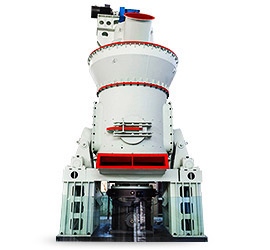
Automation and digital integration represent a transformative shift. Real-time monitoring systems equipped with sensors track parameters such as feed rate, power consumption, and chamber pressure. These data streams feed into predictive analytics platforms, enabling proactive maintenance and optimized throughput. Closed-loop control systems dynamically adjust crusher settings in response to feed variations, enhancing product consistency and reducing energy waste.
-
Energy efficiency remains a critical sustainability driver. Modern crushers incorporate variable frequency drives (VFDs) and optimized kinematics to match energy input with load requirements. Hydraulic adjustment and overload protection systems minimize mechanical stress and power spikes, further conserving energy. Some installations now integrate regenerative braking systems, capturing kinetic energy during shutdown phases.
| Technology | Sustainability Benefit | Operational Impact |
|---|---|---|
| Sensor-Based Automation | Reduces energy and material waste | Improves product uniformity, lowers OPEX |
| High-Durability Liners | Decreases replacement frequency | Reduces downtime, lowers scrap output |
| Modular Design | Facilitates repair over replacement | Extends equipment lifecycle, supports circular economy |
-
Sustainability is further advanced through design for disassembly and modularity. Crushers engineered with replaceable, standardized components reduce end-of-life waste and support remanufacturing. Additionally, mobile and compact crushing units minimize site disruption and transportation emissions, particularly in urban recycling and demolition applications.
-
Water and dust suppression technologies have evolved in tandem. Closed-circuit water recycling systems reduce freshwater consumption in wet processing, while advanced dust collection with HEPA filtration limits particulate emissions, ensuring compliance with environmental regulations.
-
The integration of artificial intelligence for process optimization and failure prediction marks the frontier of sustainable crushing. By maximizing resource recovery and minimizing unplanned outages, these systems align economic performance with environmental stewardship. As regulatory and societal demands for sustainable operations intensify, technological innovation will remain pivotal in reconciling industrial productivity with ecological responsibility.
Frequently Asked Questions
What is crushing and how does it function in material processing?
Crushing is a mechanical process used to reduce the size of large solid materials into smaller, more manageable fragments through the application of compressive force. It serves as a primary stage in mineral processing, construction, and recycling industries, where raw materials such as rock, ore, concrete, or asphalt must be fragmented for further processing. High-efficiency crushing typically occurs in stages—primary, secondary, and tertiary—using specialized equipment like jaw, cone, and impact crushers to progressively refine particle size.
What are the main types of crushing equipment used in industrial operations?
The primary types of industrial crushing equipment include jaw crushers (for primary crushing of hard materials), gyratory crushers (used for high-capacity mining applications), cone crushers (ideal for secondary and tertiary reduction of harder ores), impact crushers (suitable for softer materials and producing cubical product), and roll crushers (used for fine crushing and controlled product size). Each machine is selected based on feed characteristics, desired output size, and throughput requirements.
How does the choice of crusher impact energy efficiency and operational costs?
The choice of crusher significantly influences energy consumption and operating expenses. For example, jaw crushers are robust and energy-efficient for primary reduction but may produce elongated particles requiring further processing. Cone crushers offer higher reduction ratios and better product shape, enhancing downstream efficiency. Advanced models with hydraulic adjustment and overload protection reduce downtime and maintenance costs. Optimizing crusher selection based on material hardness, feed size, and desired output minimizes power use and wear part consumption.
What are the key performance indicators (KPIs) for evaluating crushing efficiency?
Key performance indicators in crushing operations include reduction ratio (input size vs. output size), throughput capacity (tons per hour), power consumption per ton, product size distribution, and wear part life. Monitoring these KPIs enables real-time optimization of crusher settings such as closed-side setting (CSS), eccentric speed, and feed rate. Expert-level operations use advanced sensors and process control systems to maintain optimal performance and predict maintenance needs.
How does crushing differ from grinding in size reduction processes?
Crushing and grinding are both size reduction techniques but operate at different stages and scales. Crushing is a coarse to intermediate reduction method typically reducing material to sizes between 100 mm and 10 mm, using compressive force. Grinding, conducted after crushing, produces finer particles (down to microns) using attrition, impact, or abrasion in equipment like ball mills or SAG mills. The distinction is critical in circuit design, as each stage requires different energy inputs and machinery.
What role does material hardness play in crusher selection and operation?
Material hardness, often measured on the Mohs or Bond Work Index scale, directly affects crusher wear, capacity, and suitability. Hard rocks like granite require robust compressive crushers (e.g., jaw or cone), while softer materials like limestone may allow efficient use of impact crushers. Harder materials increase wear on liners and require frequent maintenance. Expert operations perform abrasion index testing to forecast wear rates and select wear-resistant materials such as manganese steel or composite liners.
What are the environmental and safety considerations in modern crushing operations?
Modern crushing plants address environmental concerns through dust suppression systems (e.g., water sprays, baghouses), noise enclosures, and spill containment. Safety measures include emergency stop systems, lockout-tagout (LOTO) procedures, real-time monitoring of crusher chamber blockages, and protective guarding. Advanced facilities integrate IoT sensors for predictive maintenance and remote operation, minimizing exposure to hazardous conditions and ensuring regulatory compliance.
How is automation integrated into contemporary crushing circuits?
Automation in crushing circuits leverages programmable logic controllers (PLCs), variable frequency drives (VFDs), and real-time analytics to optimize feed control, throughput, and product quality. Automated systems adjust crusher settings based on load, moisture, and downstream demand, preventing choke feeding and reducing energy waste. Closed-loop feedback from online particle size analyzers allows dynamic adjustment for consistent product gradation, enhancing overall process stability and recovery.
What maintenance practices are critical for maximizing crusher uptime?
Critical maintenance practices include regular inspection of liners, bearings, and lubrication systems; monitoring hydraulic and electrical components; and tracking wear patterns. Scheduled replacement of consumables based on operating hours or performance data prevents unplanned downtime. Leading operations use condition monitoring tools like vibration analysis and oil spectroscopy to detect early signs of fatigue or contamination, aligning with predictive maintenance strategies.
How does feed material preparation affect crushing performance?
Proper feed preparation—such as screening out fines, controlling moisture, and ensuring uniform feed size—directly impacts crusher efficiency. Pre-screening prevents material buildup and maintains consistent throughput, while excessive moisture can cause blinding in screens and clogging in crushers. Controlled feed rate via vibratory feeders ensures even loading, avoids overloading, and extends equipment life. Expert operations often employ scalping screens and crushers feeders to optimize input conditions.
What are the latest technological advancements in crushing equipment?
Recent advancements include hybrid electric-hydraulic drive systems, intelligent crushing platforms with AI-based optimization, enhanced wear-resistant materials (e.g., composite liners), and digital twin modeling for simulation and predictive control. Smart crushers now feature remote monitoring, self-diagnosis, and adaptive control algorithms that respond to real-time process variables, significantly improving efficiency, safety, and longevity.
How is crushed product quality measured and controlled?
Crushed product quality is assessed through particle size distribution (PSD) analysis using sieve or laser diffraction techniques, shape analysis (cubical vs. flaky particles), and consistency across batch output. Control is achieved via closed-loop systems that adjust crusher settings (e.g., CSS, speed) based on real-time PSD data from on-stream analyzers. Proper calibration of screening equipment and recirculation of oversize material further ensure adherence to specification.