Table of Contents
- Best Granite Crushers for Sale: Types and Performance Comparison
- How to Choose the Right Granite Crushing Machine for Your Quarry Operation
- Top Suppliers Where You Can Buy Granite Crusher Equipment Online
- Cost Analysis: What to Expect When Purchasing a Granite Crusher
- Maintenance and Operational Tips for Long-Term Granite Crusher Efficiency
- Frequently Asked Questions
- What factors should I consider when buying a granite crusher?
- Which type of crusher is most efficient for granite processing?
- How much does a granite crusher typically cost?
- Can I use a portable crusher for granite?
- What maintenance is required for a granite crusher?
- Are electric or diesel-powered granite crushers better?
- How do I ensure compliance when buying a granite crusher?
- What throughput capacity do I need for a granite crushing operation?
- How do I reduce wear and extend the lifespan of a granite crusher?
- Should I buy new or used granite crushing equipment?
- What are the best brands for granite crushers?
- How can automation improve granite crusher performance?
When it comes to processing granite efficiently and profitably, investing in the right granite crusher is not just a decision—it’s a strategic imperative. As one of the hardest and most durable natural stones, granite demands robust, high-performance crushing machinery capable of handling its abrasive nature while delivering consistent output. Whether you’re involved in construction aggregates, road building, or mining operations, selecting the optimal granite crusher can dramatically enhance productivity, reduce operational costs, and extend equipment lifespan. From jaw crushers and cone crushers to impact crushers and advanced hybrid models, today’s market offers a diverse range of machines engineered for precision and durability. Equally critical is partnering with reputable suppliers who provide not only cutting-edge technology but also comprehensive after-sales support and service. This guide explores the top-performing granite crushers available globally and highlights trusted suppliers known for reliability, innovation, and technical excellence—empowering you to make an informed, value-driven purchase that aligns with your production goals and long-term operational success.
Best Granite Crushers for Sale: Types and Performance Comparison
-
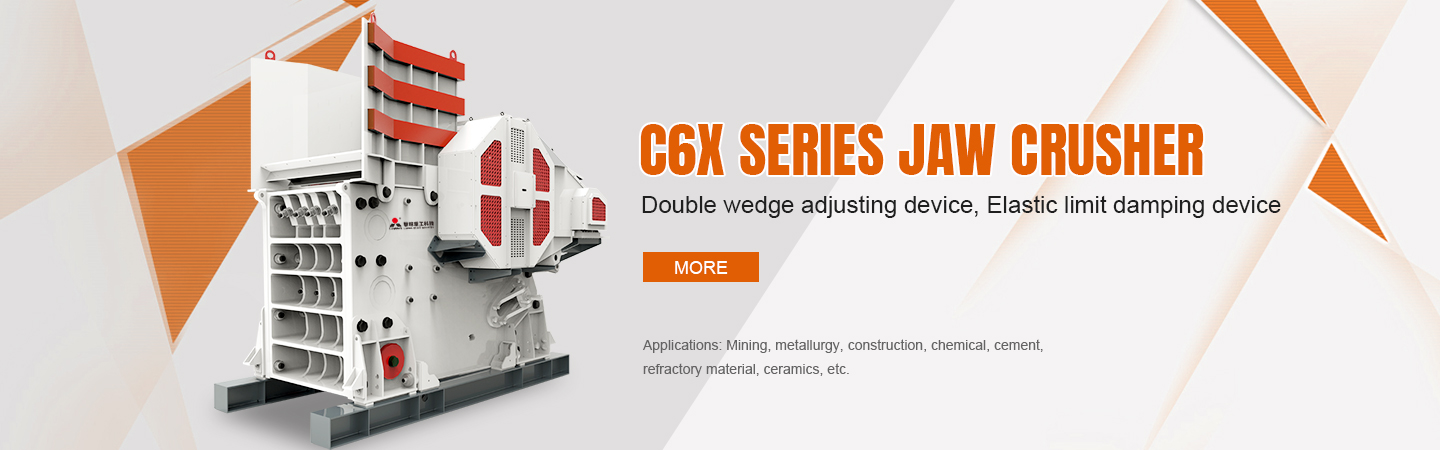
Jaw Crusher
Jaw crushers are the primary choice for initial granite reduction due to their robust construction and high compression strength handling. Typically used in primary crushing stages, they deliver consistent throughput with minimal maintenance. Modern models feature deep crushing chambers and toggle plates designed for high reduction ratios (up to 6:1). Hydraulic adjustment and overload protection enhance operational safety and uptime. Performance is optimal when processing feed sizes up to 1,200 mm, yielding output sizes between 100–300 mm. Leading manufacturers offer jaw crushers with manganese steel jaws, extending wear life under abrasive granite conditions. Energy efficiency remains competitive, with power requirements ranging from 55 kW to 250 kW depending on capacity. -
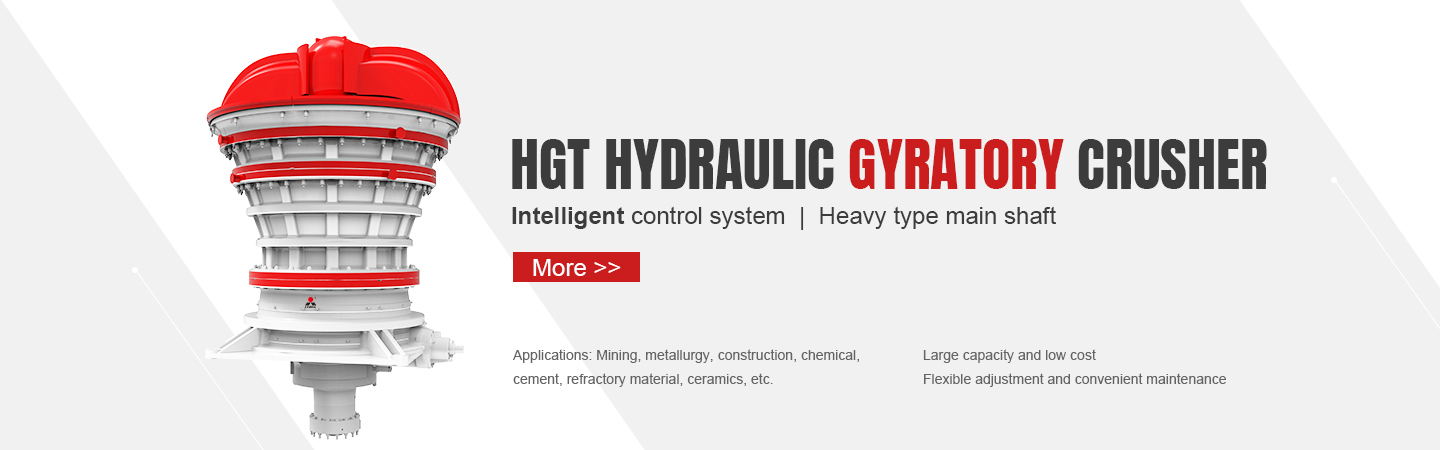
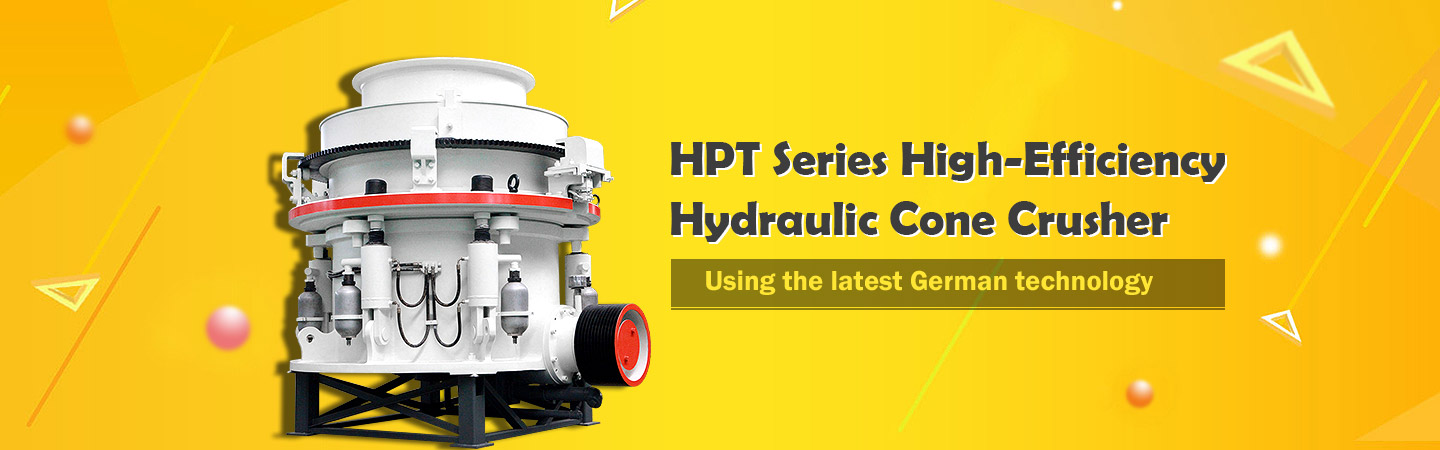
Cone Crusher
Ideal for secondary and tertiary crushing, cone crushers provide superior shape and gradation control in finished granite aggregate. Utilizing a rotating mantle and concave liner system, they achieve reduction ratios of 4:1 to 6:1. Hydraulic adjustment and automated cavity clearing reduce downtime. High-performance models incorporate laminated crushing technology, improving particle shape for construction-grade products. Output sizes range from 6 mm to 50 mm, suitable for asphalt and concrete applications. Power consumption typically ranges from 132 kW to 315 kW. Maintenance demands are moderate, with regular liner replacement required every 500–1,000 operating hours under continuous granite processing.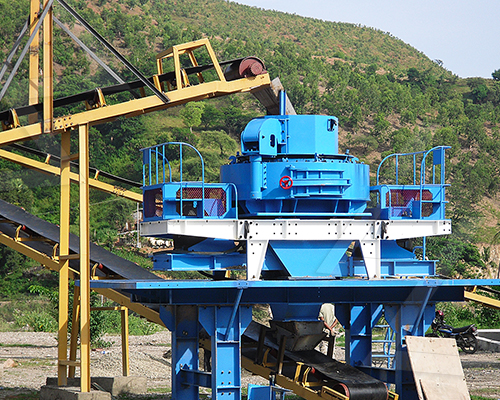
-
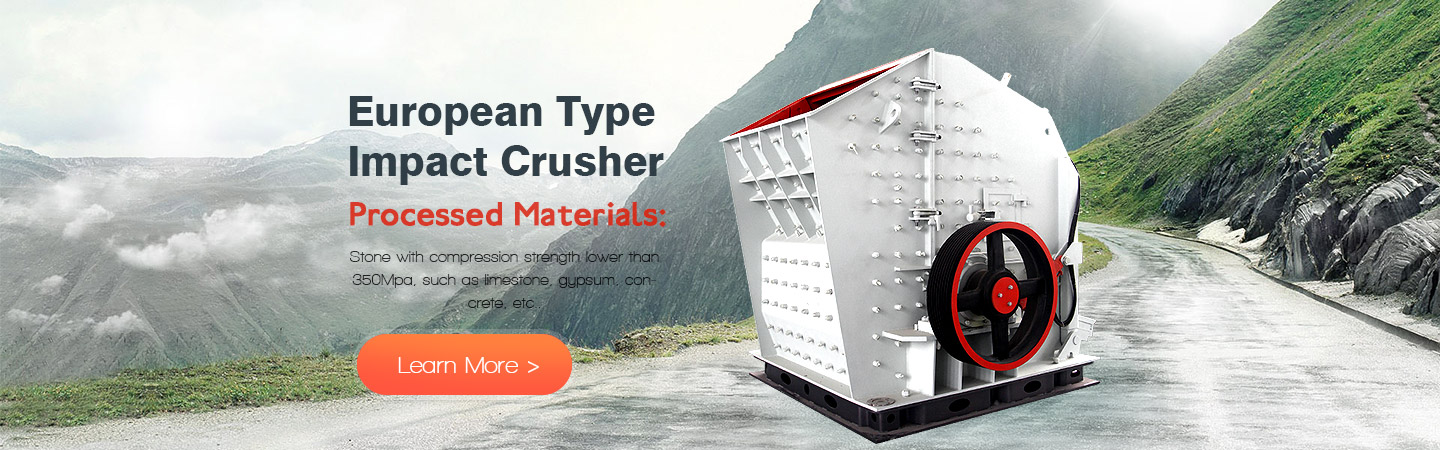
Impact Crusher
Impact crushers are best suited for softer granite varieties and production scenarios prioritizing cubical particle shape. They operate at high rotor speeds, using blow bars to shatter feed material against impact plates. Reduction ratios can reach 10:1, with final product sizes between 5 mm and 50 mm. These machines excel in closed-circuit configurations for high fines control. However, wear parts degrade faster with abrasive granite, necessitating frequent replacement. Power requirements vary from 90 kW to 200 kW. They are less common in hard granite applications compared to jaw and cone crushers but remain viable for selective operations.
| Crusher Type | Feed Size (mm) | Output Size (mm) | Reduction Ratio | Power Range (kW) | Best Application Stage |
|---|---|---|---|---|---|
| Jaw | Up to 1,200 | 100–300 | 4:1 – 6:1 | 55 – 250 | Primary |
| Cone | Up to 350 | 6 – 50 | 4:1 – 6:1 | 132 – 315 | Secondary/Tertiary |
| Impact | Up to 800 | 5 – 50 | 6:1 – 10:1 | 90 – 200 | Secondary (selective) |
How to Choose the Right Granite Crushing Machine for Your Quarry Operation
-
Assess production capacity requirements based on your quarry’s output goals. Granite crushing machines vary significantly in throughput; select a model that aligns with your hourly or daily tonnage targets without creating bottlenecks in downstream processing.
-
Prioritize machine durability and material compatibility. Granite is an abrasive, high-SiO₂ stone that demands robust components. Opt for crushers constructed with high-grade manganese steel or alloyed wear parts to extend service life and reduce maintenance frequency.
-
Evaluate crusher type according to stage of crushing. Jaw crushers are ideal for primary reduction due to their ability to handle large feed sizes and high compressive strength. Cone crushers offer superior performance in secondary and tertiary stages, delivering consistent cubical product shape and precise size gradation.
-
Consider automation and adjustability features. Modern granite crushers equipped with hydraulic adjustment, overload protection, and remote monitoring systems enhance operational efficiency, reduce downtime, and improve product consistency.
-
Analyze power consumption and energy efficiency. High-capacity electric motors are standard, but variable frequency drives (VFDs) and optimized chamber designs can significantly reduce energy costs over long-term operation.
-
Review feed and discharge specifications. Ensure the machine accepts your typical run-of-quarry feed size and produces the required output gradation for downstream screening or further processing. Misalignment here results in inefficiencies and increased operational costs.
-
Factor in installation and footprint constraints. Mobile or compact modular units may be preferable for remote or space-limited quarries, whereas stationary plants deliver higher throughput for established operations.
-
Examine supplier reputation and after-sales support. Choose manufacturers with proven field performance in granite applications and access to spare parts, technical service, and operational training. A reliable support network minimizes unplanned downtime.
-
Conduct a lifecycle cost analysis beyond initial purchase price. Include projected maintenance, energy use, wear part replacement, and productivity metrics. The lowest upfront cost may yield higher total cost of ownership.
Selecting the appropriate granite crushing machine requires a holistic evaluation of technical specifications, operational demands, and long-term economic performance. Precision in matching equipment capabilities to quarry conditions ensures optimal efficiency, product quality, and return on investment.
Top Suppliers Where You Can Buy Granite Crusher Equipment Online
-
ZWC Outotec – A global leader in mineral processing technology, ZWC Outotec offers high-performance granite crushing equipment, including jaw crushers, cone crushers, and impact crushers designed for high throughput and durability. Their online portal provides detailed technical specifications, CAD models, and direct purchasing options for original equipment and aftermarket parts. The company’s digital platform supports global buyers with localized service networks, ensuring compliance with regional safety and environmental standards. ZWC’s Nordberg® series, particularly the C Series jaw crushers and HP Series cone crushers, are engineered for hard rock applications such as granite, delivering consistent product shape and size.
-
Sandvik Mining and Rock Solutions – Sandvik delivers advanced granite processing solutions through its online marketplace and regional e-commerce hubs. The QA451 and QJ341 mobile jaw crushers are optimized for granite, featuring hydraulic adjustment, overload protection, and high reduction ratios. Buyers can configure machines to meet site-specific requirements via Sandvik’s digital configurator tool, which integrates real-time pricing and lead times. Equipment is backed by remote monitoring capabilities through the Connect2Mine platform, enabling predictive maintenance and performance optimization.
-
Fote Heavy Machinery (FTM) – Based in China, Fote offers cost-competitive granite crushers, including heavy-duty jaw and impact crushers, through its B2B e-commerce channels on Alibaba and its dedicated export portal. The PE series jaw crusher and PF series impact crusher are commonly deployed in granite quarries for primary and secondary crushing stages. Fote provides factory-direct pricing, third-party inspection reports, and international shipping coordination, making it a strategic option for budget-conscious operators seeking reliable performance.
-
McCloskey International – Specializing in portable crushing solutions, McCloskey offers user-friendly online purchasing for its range of tracked and wheeled granite crushers. Models such as the J45R jaw crusher and C44 cone crusher are designed for mobility and rapid deployment, ideal for contractors and small to mid-sized operations. Their digital sales platform features live inventory, 3D walkthroughs, and direct contact with technical sales engineers for customization support.
-
Zenith Crusher Equipment – A subsidiary of SBM Industrial, Zenith provides comprehensive granite crushing systems via its online export division. The PE, PEX, and CS series are widely used in hard rock applications. Buyers access financing options, engineering support, and modular plant designs through the company’s digital procurement interface, serving markets across Africa, Southeast Asia, and Latin America.
Cost Analysis: What to Expect When Purchasing a Granite Crusher
- New granite crushers range from $50,000 for compact, single-stage jaw crushers to $400,000+ for high-capacity, fully integrated plants.
- Mobile units typically cost 15–30% more than stationary models due to integrated conveyors, power packs, and transportability features.
- Primary jaw crushers for granite processing start around $60,000, while cone and impact crushers—used for secondary and tertiary crushing—range from $80,000 to $250,000 depending on throughput and automation level.
- Key variables influencing price include feed capacity (measured in tons per hour), output size consistency, wear part durability, and integration with automation and monitoring systems.
| Component | Cost Influence |
|---|---|
| Crusher Type (Jaw, Cone, Impact) | Cone and impact crushers command higher prices due to precision and reduced fines production |
| Capacity (TPH) | Machines exceeding 300 TPH require heavy-duty engineering, increasing cost significantly |
| Automation & Control Systems | Advanced PLCs, remote monitoring, and predictive maintenance add 10–20% to base price |
| Material of Construction | High manganese steel liners and wear-resistant components increase upfront cost but lower lifetime expenses |
| Mobility | Track-mounted units include hydraulic drives, GPS, and self-feeding systems, adding $75,000–$150,000 |
-
Used or refurbished granite crushers offer 30–50% savings but require rigorous inspection of wear parts, bearing life, and structural integrity.
-
Hidden costs include transportation (often $10,000–$30,000 for international shipping), foundation work for stationary units, and installation/commissioning services.
-
Ancillary equipment—vibrating feeders, screens, dust suppression systems, and conveyors—can increase total project cost by 25–40%.
-
Maintenance contracts with OEMs typically cost 5–8% of machine value annually but reduce unplanned downtime and extend service life.
-
Total cost of ownership (TCO) must account for energy consumption, spare parts availability, and local labor rates. High-efficiency models may carry a premium but deliver 15–20% lower operating costs over five years.
-
Suppliers in North America and Europe generally command higher prices but offer better compliance with environmental and safety standards.
-
Lead times for delivery range from 8–12 weeks for standard models to 20+ weeks for custom-engineered solutions, potentially impacting project ROI.
Procurement strategy should balance upfront investment against throughput requirements, operational reliability, and lifecycle costs. Engaging suppliers early for site-specific configuration ensures optimal performance and cost efficiency.
Maintenance and Operational Tips for Long-Term Granite Crusher Efficiency
-
Conduct daily visual inspections of all wearing parts, including jaw plates, mantle, concave, and blow bars. Replace components showing excessive wear to prevent damage to critical machine structures and maintain consistent product size.
-
Implement a scheduled lubrication program using high-quality, manufacturer-recommended greases. Monitor oil temperature and pressure regularly; abnormal readings may indicate misalignment, contamination, or bearing distress.
-
Maintain proper crusher settings in accordance with feed material characteristics and desired output specifications. Over-tightening closed-side settings increases stress and accelerates wear, while overly loose settings reduce efficiency and product quality.
-
Ensure consistent, controlled feed rates using vibratory feeders to prevent surging and choking. Uneven feeding leads to uneven wear, reduced throughput, and potential motor overloads.
-
Use pre-screening equipment to remove fines and contaminants prior to crushing. This reduces unnecessary load on the crusher and minimizes wear on internal components.
-
Monitor power draw patterns. Sudden spikes or drops can signal blockages, tramp metal passage, or drive system issues. Integrate real-time monitoring systems where feasible for predictive maintenance.
| Maintenance Task | Frequency | Key Objective |
|---|---|---|
| Lubrication check | Daily | Prevent bearing failure |
| Torque rod inspection | Weekly | Ensure frame stability |
| Drive belt tension | Bi-weekly | Maintain power transmission |
| Foundation bolt tightness | Monthly | Prevent structural fatigue |
| Hydraulic system test (if applicable) | Monthly | Ensure tramp release function |
-
Keep hydraulic and pneumatic systems free of moisture and particulates. Drain accumulators and filters regularly, especially in humid or dusty environments.
-
Train operational staff on emergency procedures, proper start-up/shutdown sequences, and recognition of abnormal noise or vibration. Human oversight remains a critical factor in long-term reliability.
-
Store spare parts in controlled conditions to prevent corrosion or deformation. Prioritize OEM or certified aftermarket components to ensure compatibility and performance.
-
Perform annual alignment checks on drive motors and shafts. Misalignment contributes to premature bearing and seal failure.
Consistent adherence to these protocols ensures peak performance, extends mean time between failures, and maximizes return on investment for granite crushing operations.
Frequently Asked Questions
What factors should I consider when buying a granite crusher?
When purchasing a granite crusher, evaluate hardness and abrasiveness of the granite (typically rated 6–7 on the Mohs scale), required output size, production capacity (tons per hour), feed size compatibility, energy efficiency, maintenance demands, and total cost of ownership. Opt for crushers specifically engineered for hard rock applications—such as jaw, cone, or impact crushers—and verify compatibility with your plant’s feeding, conveying, and screening systems.
Which type of crusher is most efficient for granite processing?
Cone crushers are generally the most efficient for secondary and tertiary granite crushing due to their high reduction ratio, consistent product shape, and ability to handle abrasive feed. For primary crushing, robust jaw crushers are preferred for their reliability in reducing large granite boulders. In high-production scenarios, modern hybrid or multi-cylinder hydraulic cone crushers offer optimized performance and automated control.
How much does a granite crusher typically cost?
Granite crusher prices vary significantly based on type, capacity, and configuration. Entry-level mobile jaw crushers start around $100,000, while high-capacity, track-mounted cone crushing plants can exceed $1.5 million. Used or refurbished units may cost 30–60% less. Always factor in auxiliary costs: installation, permits, transportation, spare parts, and commissioning services.
Can I use a portable crusher for granite?
Yes, portable crushers—especially tracked or wheeled jaw and cone crushing plants—are widely used for granite due to their mobility, fast setup, and ability to follow excavation fronts. They reduce haul distances and aggregate transport costs. Ensure the portable unit is rated for hard rock applications and includes wear protection features critical for handling abrasive granite.
What maintenance is required for a granite crusher?
Granite’s abrasiveness demands rigorous maintenance: daily lubrication of bearings and pivot points, weekly inspections of liners, blow bars, and mantle/concave wear, regular hydraulic system checks, and timely replacement of wear parts. Implement predictive maintenance using vibration analysis and oil sampling. Use OEM-recommended wear materials (e.g., Mn18 or Mn22 alloy) to extend service life.
Are electric or diesel-powered granite crushers better?
Electric crushers offer lower operating costs, quieter operation, and reduced emissions—ideal for fixed or grid-connected sites. Diesel-powered or hybrid units provide flexibility for remote operations without reliable power. Evaluate based on fuel availability, environmental regulations, energy costs, and project duration; electric models typically provide higher uptime and lower TCO in stable locations.
How do I ensure compliance when buying a granite crusher?
Ensure the crusher meets regional safety and emissions standards (e.g., OSHA, CE, or ISO certifications). Verify noise, dust, and vibration controls align with local environmental regulations. Confirm supplier provides proper documentation, including operation manuals, CE conformity certificates, and compliance with Machinery Directive (EU) or ANSI standards (US).
What throughput capacity do I need for a granite crushing operation?
Determine required throughput (tpd or tph) based on project volume, material density, and operating hours. Small quarries may require 50–100 tph, while commercial operations often exceed 300 tph. Match crusher capacity to upstream (excavation) and downstream (screening/conveying) equipment to avoid bottlenecks. Always include a 15–20% capacity buffer for peak demand.
How do I reduce wear and extend the lifespan of a granite crusher?
Minimize wear by pre-screening feed to remove fines, maintaining optimal feed size, ensuring uniform feeding (avoiding overloading), using manganese or composite liners, and operating within design parameters. Install automated tramp iron release systems and metal detectors to prevent catastrophic damage from uncrushables.
Should I buy new or used granite crushing equipment?
New crushers offer extended warranties, latest efficiency technologies, and guaranteed performance, while used equipment reduces upfront capital cost. Opt for certified pre-owned units from reputable dealers if capital is constrained. Conduct thorough inspections—including wear part assessment, frame integrity, and control system functionality—and obtain maintenance logs.
What are the best brands for granite crushers?
Top-tier manufacturers include ZWC Outotec, Sandvik, FLSmidth, Terex Cedarapids, and Kleemann (Wirtgen Group). These brands excel in durability, technical support, and R&D. Select based on local service availability, parts supply chain, and proven track record in granite and hard rock applications.
How can automation improve granite crusher performance?
Modern crushers with integrated automation (e.g., ZWC IC Series or Sandvik Automation) optimize settings in real time, monitor load and wear, detect overloads, and enable remote diagnostics. Automation improves product consistency, reduces downtime, increases safety, and lowers energy consumption by up to 15–20% in continuous operations.