
Table of Contents
- Understanding the 500 TPH Stone Crushing Plant: Design and Operational Efficiency
- Core Components of a High Capacity 500 TPH Aggregate Production Line
- Optimizing Performance: Flow Configuration and Material Handling Strategies
- Key Considerations for Selecting Crushers and Screening Equipment at 500 TPH
- Sustainability, Safety, and Maintenance in Large-Scale Stone Production Operations
- Frequently Asked Questions
- What components are essential in a 500 TPH high-capacity stone production line?
- How do you optimize throughput in a 500 TPH stone crushing plant?
- What type of primary crusher is best suited for 500 TPH production?
- Can a 500 TPH stone production line handle hard rock like granite or basalt?
- What are the typical discharge sizes achievable in a 500 TPH aggregate production line?
- How much power is required to operate a 500 TPH stone crushing plant?
- What maintenance practices ensure uptime in a 500 TPH production line?
- How does automation enhance a 500 TPH stone production line?
- What environmental controls are necessary for a 500 TPH plant?
- How scalable is a 500 TPH stone production line for future expansion?
- What safety features are critical in a high-capacity stone crushing plant?
In the fast-evolving world of construction and infrastructure development, the demand for high-quality, consistent aggregate production has never been greater. At the heart of modern quarrying operations lies the 500 TPH high capacity stone production line—a meticulously engineered system designed to deliver unparalleled efficiency, reliability, and output. This advanced processing solution integrates robust crushing, precise screening, and seamless material handling technologies to transform raw stone into premium-grade aggregates with minimal downtime and maximum throughput. Engineered for large-scale projects, a 500 TPH line not only meets the rigorous demands of today’s construction timelines but also optimizes operational costs through intelligent design and automation. From highway foundations to high-rise developments, this production capacity strikes the ideal balance between scale and sustainability. In this comprehensive guide, we explore the components, configurations, and best practices that define a high-performance 500 TPH stone production line, empowering operators to achieve peak productivity in competitive markets.
Understanding the 500 TPH Stone Crushing Plant: Design and Operational Efficiency
-
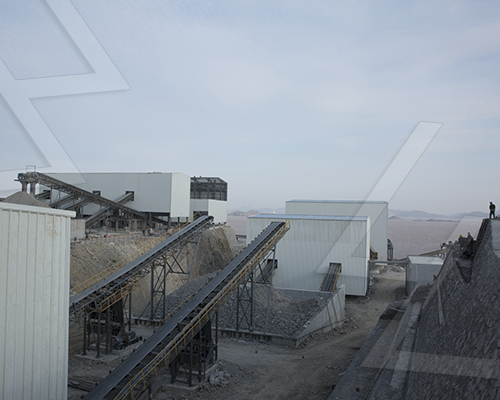
High-capacity aggregate production hinges on precision engineering and systemic integration, with the 500 TPH stone crushing plant representing a benchmark in large-scale efficiency. This throughput capacity necessitates a carefully orchestrated flow across multiple stages—primary, secondary, and tertiary crushing—supported by optimized screening and material handling systems.
-
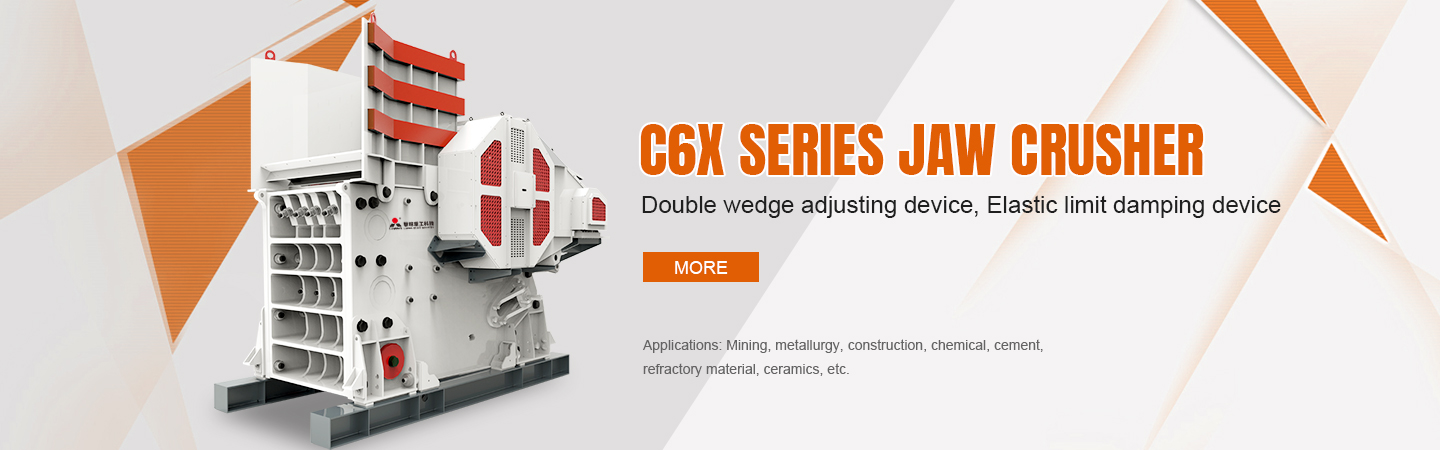
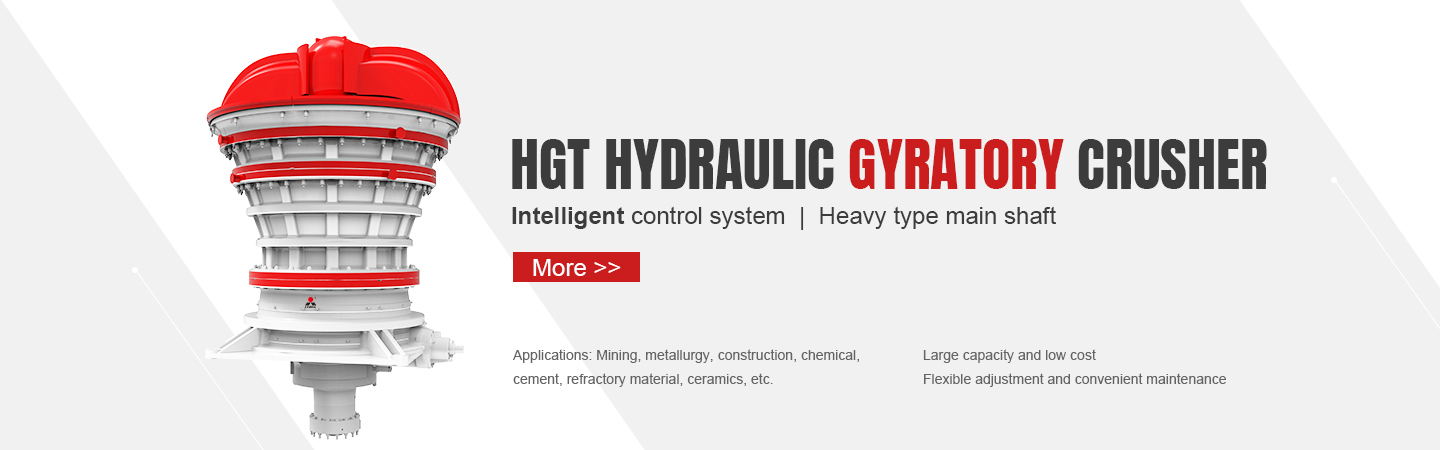
At the core of the design is the selection of robust primary equipment, typically a heavy-duty jaw crusher or impact crusher, capable of accepting large feed sizes up to 1,200 mm. The primary stage reduces material to a manageable size for downstream processing, ensuring consistent feed distribution into secondary circuits. Cone or impact crushers are commonly deployed in secondary and tertiary roles, where fine-tuning particle size distribution and shape becomes critical for premium aggregate quality.
-
Operational efficiency is maximized through balanced component sizing and closed-circuit configurations. For instance, integrating a vibrating screen after secondary crushing enables accurate scalping and recirculation of oversized particles, minimizing bottlenecking and optimizing throughput. Automation systems monitor feed rates, crusher settings, and conveyor loads in real time, allowing dynamic adjustments to maintain steady 500 TPH output while reducing wear and energy consumption.
-
Power requirements for such a plant typically range from 600 to 900 kW, depending on feed hardness and final product specifications. Energy efficiency is enhanced through variable frequency drives (VFDs) on motors and duty cycle optimization, directly impacting operational costs.
-
Material flow design minimizes transfer points and elevation changes, reducing spillage and mechanical stress. Hydraulic adjustment and overload protection systems in crushers ensure sustained operation under variable load conditions, while centralized lubrication and monitoring extend maintenance intervals.
-
Dust suppression and noise control are integrated at key transfer and crushing zones, aligning with environmental and safety standards. Modular plant layouts offer scalability and ease of relocation, particularly beneficial in quarries with phased extraction plans.
-
Ultimately, achieving sustained 500 TPH performance demands not only high-quality equipment but also a systems-level approach—integrating mechanical reliability, process control, and predictive maintenance to ensure uptime, product consistency, and lifecycle cost efficiency.
Core Components of a High Capacity 500 TPH Aggregate Production Line
- Jaw crusher (primary crushing stage)
- Cone crushers (secondary and tertiary crushing stages)
- Vibrating feeders (controlled material introduction)
- Vibrating screens (efficient classification by size)
- Belt conveyors (reliable material transport across stages)
- Dust suppression systems (compliance and environmental control)
- Centralized control system (automation and real-time monitoring)
A high-capacity 500 TPH aggregate production line relies on precisely integrated components engineered for continuous throughput, minimal downtime, and consistent product gradation. The process begins with a robust vibrating feeder, which ensures uniform material flow into the primary jaw crusher. This crusher reduces large boulders to manageable sizes, typically between 100–150 mm, with high reduction efficiency and resistance to abrasive feed material.
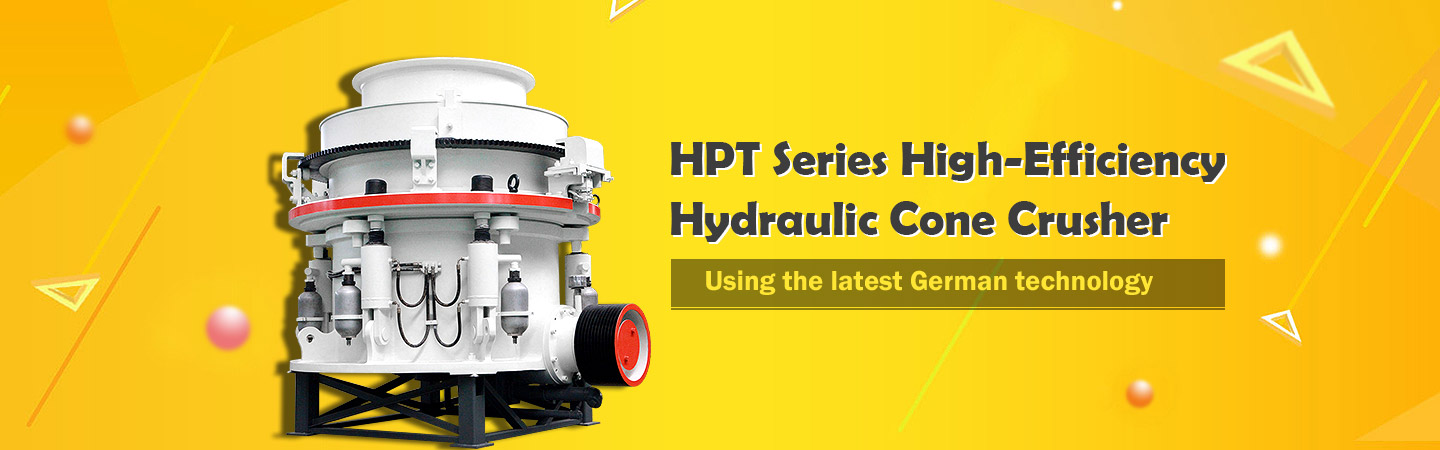
Following primary crushing, the material is conveyed via heavy-duty belt conveyors to secondary and tertiary cone crushing stages. Modern multi-hydrocone crushers offer advanced cavity design and hydraulic adjustment, enabling precise control over output size and shape—critical for producing high-quality aggregates meeting specification standards. These crushers are selected based on feed gradation, desired product fineness, and abrasiveness of raw material.
Vibrating screens are strategically deployed after each crushing stage to segregate material by size. High-frequency, inclined, or horizontal screening units with multiple decks ensure accurate classification, recirculating oversize material back to the appropriate crusher while directing on-spec product to stockpiles. Screen media selection—polyurethane, wire mesh, or modular panels—affects screening efficiency and maintenance intervals.
Dust generation, inherent in high-volume crushing, is managed through integrated dust suppression systems, including water sprays and optional baghouse collectors, ensuring regulatory compliance and improved working conditions.
All components are interconnected through a network of belt conveyors designed for 500 TPH continuous operation, incorporating variable-speed drives and emergency stops. Transfer points are engineered to minimize spillage and wear.
At the operational core lies a centralized PLC-based control system, providing real-time monitoring of motor loads, crusher settings, conveyor status, and feed rates. Remote diagnostics, alarm management, and production reporting enhance operational oversight, enabling rapid response to process deviations. This integration of mechanical precision and digital intelligence defines the efficiency and reliability of modern 500 TPH aggregate production lines.
Optimizing Performance: Flow Configuration and Material Handling Strategies
-
Optimize crusher feed consistency to maintain steady throughput and reduce wear. Utilize vibrating feeders with variable frequency drives (VFDs) to regulate material flow into primary crushers, preventing surges and choke-feeding. Uniform feeding extends liner life and stabilizes downstream processing.
-
Implement closed-circuit crushing with advanced screening to ensure oversize material is efficiently recirculated. Position cone or impact crushers in secondary and tertiary stages with properly sized vibrating screens to achieve precise product gradation. Closed-loop feedback systems using real-time size analysis can dynamically adjust crusher settings for peak efficiency.
-
Design conveyor systems with minimal transfer points and optimized incline angles to reduce material degradation and energy loss. Use impact beds and skirted conveyors at loading zones to minimize spillage and dust. Select belt widths and speeds based on volumetric flow rates, ensuring material velocity matches transfer points across the circuit.
-
Integrate plant-wide automation with programmable logic controllers (PLCs) to synchronize equipment operation and respond to flow variances. Automated tramp metal detection and crusher clearance controls prevent downtime and protect critical components. Remote monitoring of motor loads, vibration, and temperature enables predictive maintenance.
-
Apply material handling best practices to reduce segregation and degradation. Use chutes with controlled geometry and耐磨 liners to maintain particle integrity, especially during transfer from screens to stockpiles. For high-moisture feed, incorporate scalping grizzlies or washing systems upstream to prevent blinding and blockages.
-
Optimize stockpile management by using radial stackers with slewing capability to build uniform, accessible piles. Implement inventory tracking via laser scanning or drone surveys to align production with demand and minimize re-handling.
-
Conduct regular flow balancing audits using material sampling at key nodes—primary discharge, screen oversize, and final product streams. Adjust crusher closed-side settings (CSS), screen media, and motor speeds based on gradation data to maintain specification compliance and reduce recirculating load.
-
Prioritize energy efficiency by matching motor sizes to operational loads and installing regenerative drives on downhill conveyors. Energy recovery systems can contribute up to 15% reduction in total plant power consumption.
Performance optimization in a 500 TPH stone production line hinges on the integration of precise flow control, intelligent automation, and disciplined material handling—all calibrated to sustain design capacity while maximizing product quality and equipment longevity.
Key Considerations for Selecting Crushers and Screening Equipment at 500 TPH
-
Evaluate feed material characteristics including hardness, abrasiveness, moisture content, and feed gradation. Materials with high silica content or variable hardness demand crushers with robust metallurgy and adjustable settings to maintain throughput and wear life.
-
Prioritize crusher type based on product specifications and reduction ratio requirements. For primary crushing, a robust jaw crusher with a deep crushing chamber ensures consistent feed acceptance and high reduction efficiency. In secondary and tertiary stages, cone crushers offer superior product shape and gradation control, essential for high-value aggregates.
-
Assess wear part availability and lifecycle costs. High-capacity operations at 500 TPH accelerate wear; select equipment with modular, easily replaceable components and access to global spare parts networks to minimize unplanned downtime.
-
Integrate screening efficiency early in the circuit design. Scalping screens prior to primary crushing reduce crusher load and improve efficiency. For final product classification, multi-deck inclined or horizontal screens with high-amplitude vibration ensure accurate sizing across multiple fractions.
-
Consider equipment mobility and layout flexibility. Stationary setups demand precise foundation engineering and conveyance alignment, while modular or skid-mounted units offer faster commissioning and future reconfiguration options.
-
Optimize power consumption through matched motor sizing and variable frequency drives (VFDs) on key components. Energy monitoring systems enable real-time adjustment to feed variability, ensuring consistent load management across the circuit.
-
Incorporate automation and remote monitoring platforms. Real-time data on crusher chamber level, screen performance, and bearing temperatures enable predictive maintenance and rapid response to process deviations, sustaining peak throughput.
-
Ensure compliance with regional environmental and noise regulations. Dust suppression systems, acoustic enclosures, and water recycling units should be integrated into the design to meet operational and permitting requirements.
-
Validate equipment performance through third-party testing or operational references. Request documented case studies from suppliers demonstrating sustained 500 TPH output under comparable feed and product conditions.
-
Plan for scalability. Even at full capacity, anticipate future demand shifts by selecting crushers and screens with turndown ratios and configurations that allow for increased reduction or additional product streams without full system overhaul.
Sustainability, Safety, and Maintenance in Large-Scale Stone Production Operations
-
Sustainable resource management in large-scale stone production begins with strategic quarry planning to minimize overburden waste and optimize raw material extraction. Implementing benching and phased extraction methodologies ensures long-term resource availability while reducing environmental footprint.
-
Closed-loop water recycling systems are critical in aggregate processing operations exceeding 500 TPH. By integrating sedimentation ponds, high-rate thickeners, and filter presses, facilities can achieve water reuse rates above 90%, significantly reducing freshwater intake and discharge impacts.
-
Dust suppression must be engineered at multiple points: primary crusher enclosures, transfer chutes, and screening decks. Utilizing atomized misting systems and chemical binders reduces airborne particulates, ensuring compliance with ambient air quality standards and protecting worker health.
-
Noise mitigation strategies include acoustic barriers around crushers and conveyor drives, low-noise idler designs, and strategic layout planning to leverage natural topography as sound buffers. Regular sound level audits ensure adherence to occupational and community noise regulations.
-
Electrical efficiency is enhanced through variable frequency drives (VFDs) on major conveying systems and crushers, allowing load-responsive power consumption. Energy monitoring integrated with SCADA systems enables real-time optimization and identifies inefficiencies.
-
Preventive maintenance programs are foundational to operational continuity. A computerized maintenance management system (CMMS) schedules lubrication cycles, wear liner inspections, and conveyor belt tracking based on runtime and load data, minimizing unplanned downtime.
-
Critical components such as crusher bearings, screen meshes, and conveyor idlers require condition monitoring via vibration analysis, thermal imaging, and oil sampling. Early detection of anomalies prevents cascading failures and extends equipment service life.
-
Safety protocols must integrate machine-specific lockout/tagout (LOTO) procedures, emergency stop zoning, and automated shutdown interlocks. Operator training on confined space entry, high-pressure air systems, and mobile equipment interaction is mandatory and periodically re-evaluated.
-
Environmental compliance includes regular rehabilitation of exhausted quarry zones through terracing, soil capping, and native vegetation reestablishment. Erosion control measures such as silt fences and check dams are maintained throughout operational phases.
-
Digital twin technology is increasingly deployed to simulate production flows, test maintenance scenarios, and optimize sustainability metrics without disrupting live operations. This predictive capability enhances decision-making across safety, environmental, and maintenance domains.
Frequently Asked Questions
What components are essential in a 500 TPH high-capacity stone production line?
A 500 TPH high-capacity stone production line typically includes a heavy-duty vibrating feeder, primary jaw crusher, secondary cone or impact crusher, vibrating screens, belt conveyors, and optional tertiary crushing and screening units. Automation systems with PLC controls and dust suppression mechanisms are also critical for efficient, continuous operation and compliance with environmental standards.
How do you optimize throughput in a 500 TPH stone crushing plant?
Throughput optimization involves balancing feed rate consistency, crusher settings (CSS—closed-side settings), screen deck configuration, and conveyor speeds. Implementing real-time monitoring with sensors for load, vibration, and material flow ensures peak performance. Proper maintenance schedules and using wear-resistant liners further enhance continuous high-capacity output.
What type of primary crusher is best suited for 500 TPH production?
A robust jaw crusher with a minimum inlet size of 1100×700 mm and proven capacity exceeding 500 TPH under real-world conditions is ideal. Modern hydraulically adjusted (e.g., C120 or LJ series) jaw crushers offer reliable feed handling, minimal downtime, and excellent reduction ratios for large-scale primary crushing.
Can a 500 TPH stone production line handle hard rock like granite or basalt?
Yes, but it requires appropriately selected equipment: a heavy-duty jaw crusher for primary, followed by multi-stage cone crushing (e.g., HP or GP series) with high reduction ratios. Using manganese steel liners and optimized lamination crushing principles ensures efficient processing of abrasive hard rock at full capacity.
What are the typical discharge sizes achievable in a 500 TPH aggregate production line?
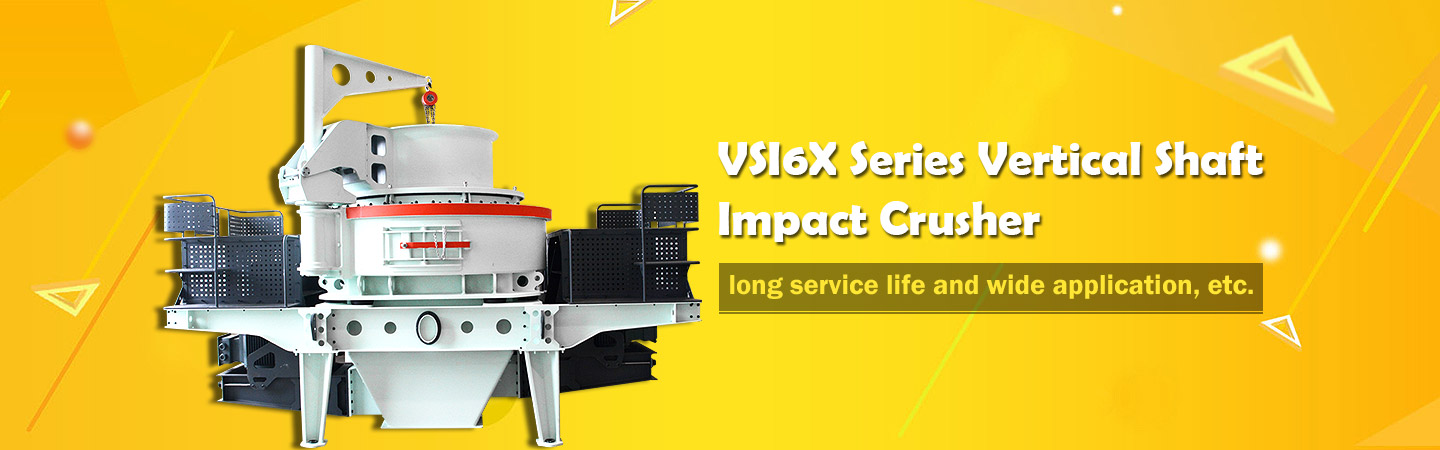
A well-configured 500 TPH line can produce aggregates in multiple sizes—ranging from 0–5 mm (sand) to 20–40 mm (coarse aggregate)—by adjusting screen apertures and crusher settings. Achieving consistent gradation requires closed-circuit screening and possibly a dedicated sand-making VSI crusher for high-quality fine aggregates.
How much power is required to operate a 500 TPH stone crushing plant?
Power requirements range from 600 to 900 kW, depending on rock hardness, reduction ratio, and system efficiency. Jaw, cone, and impact crushers consume the bulk of energy, so selecting energy-efficient motors, variable frequency drives (VFDs), and optimizing load distribution reduces electrical consumption without sacrificing throughput.
What maintenance practices ensure uptime in a 500 TPH production line?
Critical practices include daily lubrication checks on crushers, weekly inspection of wear parts (liners, blow bars, screens), monthly alignment of drive systems, and quarterly structural integrity assessments. Predictive maintenance using vibration analysis and thermal imaging helps preempt failures and sustain high availability.
How does automation enhance a 500 TPH stone production line?
PLC-based automation synchronizes feeder speed, crusher settings, and conveyor operation to maintain steady material flow. Features like auto-tramp release, overload protection, and remote monitoring minimize manual intervention, reduce bottlenecks, and improve operational safety and consistency.
What environmental controls are necessary for a 500 TPH plant?
Effective dust suppression via water sprays or baghouse filters, noise reduction enclosures, and sedimentation ponds for wash water management are essential. Compliance with ISO 14001 or local environmental regulations requires continuous emissions monitoring and proper site runoff control.
How scalable is a 500 TPH stone production line for future expansion?
A modular design allows scalability—additional crushing stages (e.g., tertiary VSI), extended conveyor systems, and extra screen decks can increase output to 600–700 TPH. Future-proofing includes oversizing foundations,预留 (reserved) electrical load capacity, and designing for easy integration of sand classification units.
What safety features are critical in a high-capacity stone crushing plant?
Essential safety features include emergency stop systems, lockout-tagout (LOTO) protocols, personnel sensors, belt sway switches, and automated shutdown triggers for overloads or blockages. Proper guarding of moving parts and regular safety training ensure compliance with OSHA or equivalent industrial standards.