Table of Contents
- Understanding Cement Production Machinery and Key Equipment Costs
- Cost Breakdown of Raw Material Processing Equipment for Cement Plants
- Capital Investment in Pyroprocessing Systems: Kilns and Preheaters
- Grinding and Packaging Machinery Costs in Modern Cement Facilities
- Factors Influencing Total Machinery Cost for Cement Manufacturing Setup
- Frequently Asked Questions
- What is the approximate cost of machinery for small-scale cement production?
- How much does a mini cement plant setup cost including machinery?
- What are the major machinery components in a cement plant and their individual costs?
- How does plant capacity affect the cost of cement manufacturing machinery?
- What is the difference in machinery cost between grey cement and white cement production?
- Are refurbished or second-hand cement plant machines cost-effective?
- How do regional differences affect the price of cement plant machinery?
- What role does automation play in cement plant machinery cost?
- How much should be budgeted for pollution control equipment in a cement plant?
- What is the cost impact of using vertical roller mills vs. ball mills in cement production?
- How much does turnkey cement plant machinery installation add to the base cost?
- What are the hidden costs associated with cement plant machinery procurement?
Entering the cement production industry in 2024 demands a strategic understanding of one of its most significant investments: machinery. With rising global infrastructure demands and evolving manufacturing technologies, the approximate cost of machinery for cement production has become a critical consideration for investors, engineers, and plant developers alike. From raw material crushers and rotary kilns to clinker coolers, cement mills, and packing machines, each component plays a vital role in ensuring efficiency, output quality, and long-term profitability. While costs vary widely based on plant capacity, automation level, and regional specifications, establishing a clear financial blueprint is essential for feasibility and competitiveness. This comprehensive 2024 breakdown explores the capital outlay required for setting up a modern cement production line, analyzing key equipment costs, technological advancements, and market trends shaping investment decisions. Whether planning a greenfield project or upgrading an existing facility, understanding these figures empowers stakeholders to make informed, cost-effective choices in an increasingly dynamic industrial landscape.
Understanding Cement Production Machinery and Key Equipment Costs
-
Rotary kiln systems remain the core of cement production, enabling the calcination of raw materials at temperatures exceeding 1,450°C. Modern precalciner kilns with multi-stage cyclone preheaters dominate new installations, offering thermal efficiency and reduced fuel consumption. A 4,000–5,000 TPD (tons per day) system typically ranges from $25M to $38M, with costs influenced by automation level, refractory specifications, and integration with waste heat recovery units.
-
Vertical roller mills (VRMs) have largely replaced ball mills for raw material grinding due to superior energy efficiency and compact footprint. A VRM capable of processing 400–500 TPH (tons per hour) commands $4.5M to $7M, depending on material hardness and wear protection systems. Integration with dynamic separators and gas suspension preheaters adds 15–20% to base pricing.
-
Cement finish grinding predominantly employs high-pressure grinding rolls (HPGR) paired with ball mills or as standalone systems in advanced configurations. An HPGR unit rated for 150–200 TPH costs $3.2M to $5M, with ancillary air classifiers and conveyors adding approximately $1.2M.
-
Clinker coolers—essential for heat recovery and clinker quality—account for significant capital outlay. Modern grate coolers with advanced air control and modular designs for 5,000 TPD plants range from $6M to $9M. Efficiency directly affects downstream power demand and emissions compliance.
-
Baghouses and electrostatic precipitators (ESPs) constitute critical emissions control infrastructure. A full-scale baghouse system for kiln exhaust processing 600,000–800,000 m³/h costs $3.5M to $5.5M, influenced by filtration media type and compliance with EU BREF or EPA standards.
-
Automation and process control systems, including distributed control systems (DCS) and advanced process control (APC), are indispensable for operational consistency. A fully integrated DCS with APC modules for a greenfield plant adds $2.5M to $4M to the capital budget.
-
Installation, engineering, and commissioning typically represent 25–30% of equipment acquisition cost. Logistics for oversized components—particularly kiln shells and mills—can escalate costs significantly in remote locations.
Capital intensity remains high, with a modern 5,000 TPD integrated cement plant requiring $120M to $160M in machinery investment alone. Technological maturity has stabilized pricing in 2024, though inflation in specialty steels and emission control technology continues to exert upward pressure.
Cost Breakdown of Raw Material Processing Equipment for Cement Plants
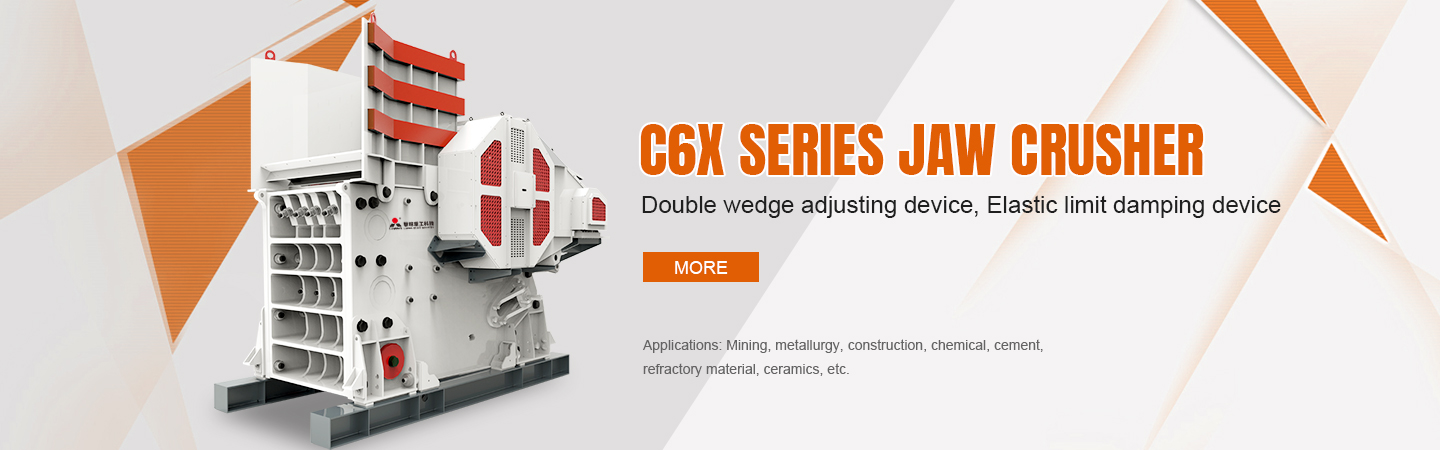
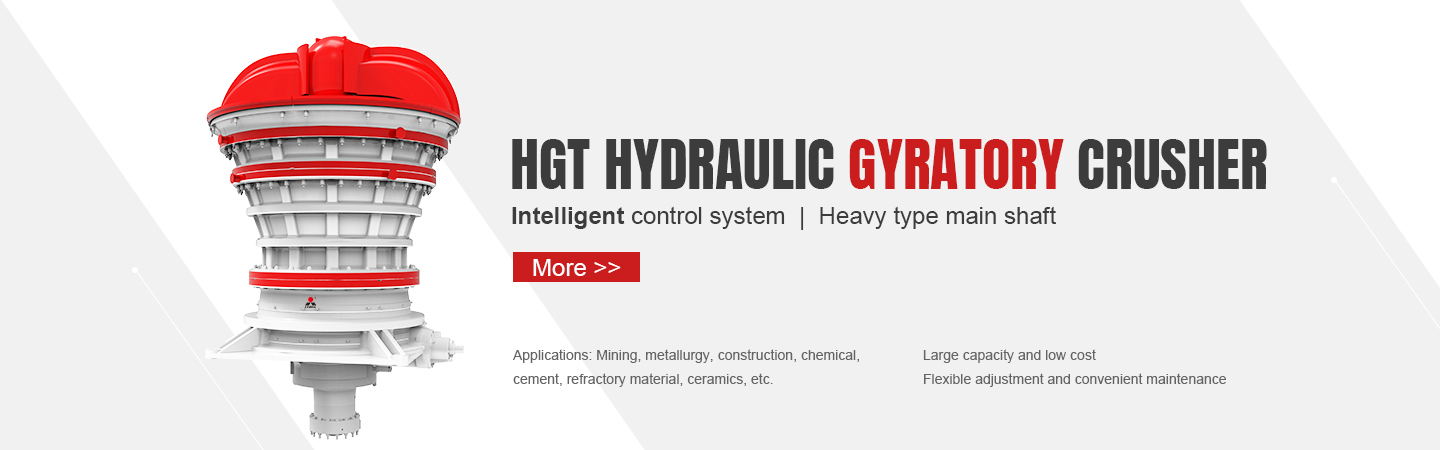
- Primary crusher (jaw or gyratory): $400,000–$750,000
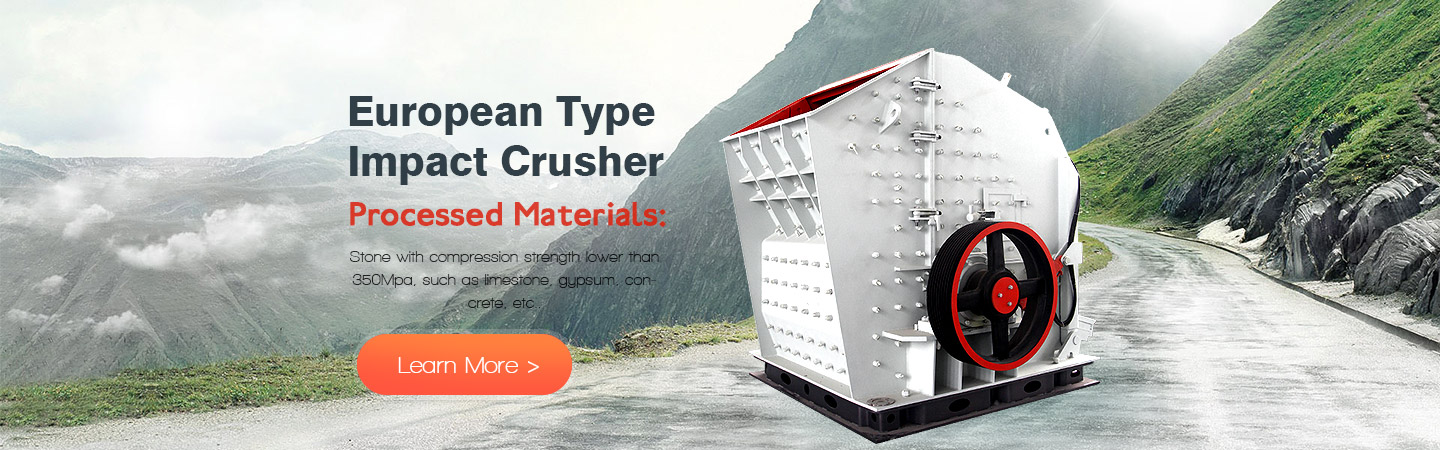
- Secondary crusher (cone or impact): $250,000–$500,000
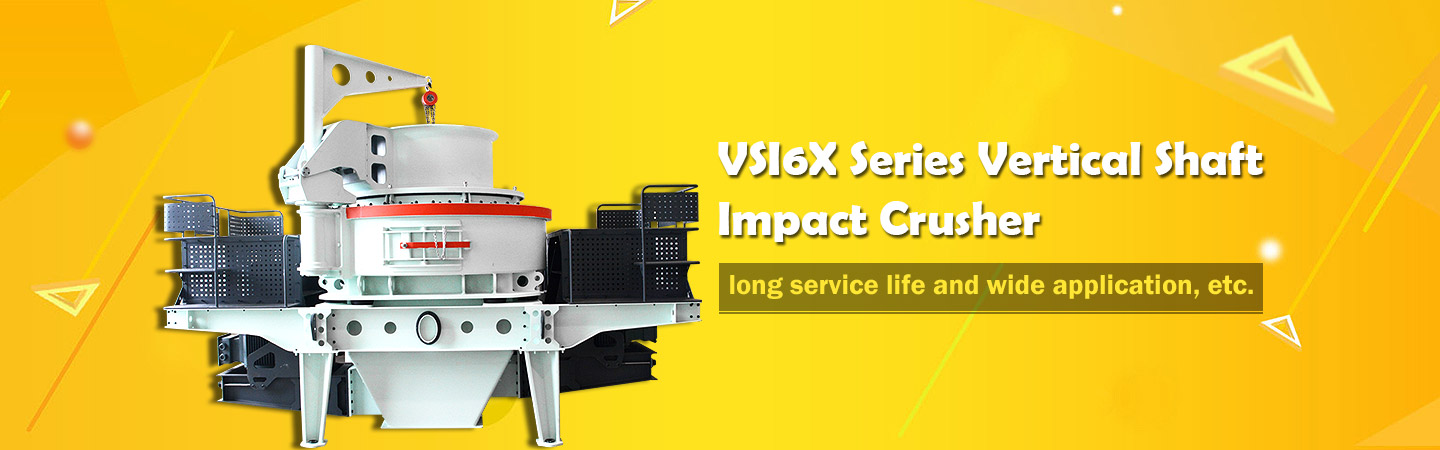
- Tertiary crusher (vertical shaft impactor): $300,000–$600,000
- Raw mill (vertical roller mill, 100–150 tph capacity): $2.5M–$4.0M
- Raw mill (ball mill alternative, similar capacity): $1.8M–$3.2M
- Raw mill fan and gas conditioning system: $300,000–$500,000
- Static classifier for raw mill circuit: $150,000–$250,000
- Dynamic high-efficiency classifier (for VRM): $200,000–$350,000
- Belt conveyors (raw feed system, 800–1,200 mm width): $120,000–$180,000 per 100 meters
- Stacker-reclaimer system (stockyard automation): $1.2M–$2.5M
- Blending bed or longitudinal pre-blending yard: $800,000–$1.6M
- Raw feed silo with weigh feeder and flow control: $400,000–$700,000
- Dust collection systems (baghouse or electrostatic precipitator, raw handling): $600,000–$1.1M
- Weigh feeders (belt or apron type, multi-stream): $80,000–$150,000 each (typically 3–5 units)
- Automation and process control systems (raw preparation zone): $350,000–$600,000
Raw material processing equipment constitutes approximately 25–30% of total plant machinery investment. The vertical roller mill (VRM) dominates modern installations due to energy efficiency and compact footprint, commanding a premium over traditional ball mills. Capital cost differentials between mill types are offset by 20–30% lower power consumption in VRMs over operational life. Primary and secondary crushing configurations depend on quarry hardness and feed size, with gyratory crushers preferred for high-capacity plants (>5,000 tpd). Tertiary crushing is increasingly adopted to reduce raw mill load and enhance grinding efficiency.
Stockyard technology significantly impacts homogenization quality and operational stability. Fully automated stacker-reclaimers with laser-guided blending achieve tighter chemical consistency, justifying higher upfront investment. Dust control is non-negotiable, with emission regulations driving adoption of high-efficiency baghouses, particularly in enclosed transfer and milling zones. Automation integration across feeding, crushing, and blending systems enhances throughput consistency and reduces manual intervention. Costs vary regionally based on equipment sourcing (OEM vs. regional fabricators), material specifications (e.g., duplex stainless for corrosive feeds), and integration complexity. Turnkey installation, including civil works and electrical integration, typically adds 15–20% to equipment list pricing.
Capital Investment in Pyroprocessing Systems: Kilns and Preheaters
-
Capital investment in pyroprocessing systems—primarily rotary kilns and preheaters—represents one of the most significant portions of total plant CAPEX in modern cement production, typically accounting for 25–35% of the total machinery budget for a greenfield integrated facility.
-
The cost of a rotary kiln system depends heavily on production capacity, thermal efficiency design, and material specifications. For a standard 4,000–5,000 tpd (tonnes per day) dry-process line, the kiln unit—including drive systems, support rollers, and refractory lining—ranges from $8 million to $12 million. Larger installations (8,000–10,000 tpd) may exceed $18 million due to increased metallurgical demands and custom engineering.
-
Preheater towers, particularly in five- or six-stage designs with calciner integration, constitute a major cost driver. A complete suspension preheater system for a 5,000 tpd line typically costs between $10 million and $14 million. Key cost variables include tower height, number of cyclone stages, material of construction (e.g., carbon steel vs. alloy-lined sections), and integration complexity with the kiln and calciner.
-
Modern pyroprocessing systems increasingly incorporate energy-saving features such as low-pressure-drop cyclones, advanced seals, and automated kiln inlet plugging systems. These enhancements improve thermal efficiency but add 10–15% to base equipment costs.
| Component | Capacity (tpd) | Approximate Cost Range (USD) |
|---|---|---|
| Rotary Kiln | 4,000–5,000 | $8M – $12M |
| Rotary Kiln | 8,000–10,000 | $14M – $18M+ |
| Preheater System | 4,000–5,000 | $9M – $13M |
| Preheater System | 8,000–10,000 | $16M – $22M |
| Calciner (integrated) | 5,000 | $3M – $5M |
-
Installation, refractory, and commissioning costs should be factored separately, typically adding 20–25% to equipment procurement costs. Supply chain dynamics, particularly for large forged kiln tires and high-temperature alloys, can influence delivery timelines and pricing volatility in 2024.
-
Leading OEMs—such as FLSmidth, ThyssenKrupp, and Sinoma—offer integrated pyroprocessing packages with digital monitoring systems, contributing to higher initial outlays but improved long-term operability and maintenance predictability.
Grinding and Packaging Machinery Costs in Modern Cement Facilities
-
Raw material grinding and cement finishing mills represent a major capital component in modern cement facilities, with costs driven by scale, technology, and energy efficiency requirements. Vertical roller mills (VRMs) dominate raw grinding applications due to their superior specific energy consumption and compact footprint. For a typical 4,000–6,000 tpd clinker production line, raw VRMs range from $3.8M to $5.2M, inclusive of static separators, drive systems, and integrated automation.
-
Coal grinding also employs VRMs, particularly in facilities prioritizing safety and fineness control. A dedicated coal grinding VRM for the same production scale costs between $2.1M and $2.9M, with explosion protection systems, inerting packages, and specialized sealing adding 18–22% to base pricing.
-
Cement finish grinding is increasingly shifting toward high-efficiency systems. While traditional ball mills remain in use, modern installations favor roller presses combined with high-efficiency separators or fully integrated vertical finish mills. A roller press + separator circuit for 1.5–2.0 MTPA output carries an approximate cost of $4.3M to $5.8M. In contrast, a vertical cement mill (VCM) of equivalent capacity commands $6.0M to $7.5M due to higher engineering complexity and advanced wear protection.
-
High-pressure grinding rolls (HPGRs), though less common in cement finishing than in mining, are gaining traction in select greenfield projects. A complete HPGR circuit with dynamic separators and feeding systems costs $5.5M–$7.0M for 2.0 MTPA capacity, with long-term energy savings offsetting initial premiums.
-
Packaging and dispatch systems vary significantly based on automation level. A fully automated 100-tpd bagging line with multi-head weighers, palletizers, and silo integration costs $1.1M–$1.6M. Truck and rail load-out systems with bulk weighers and dust control add $400,000–$750,000 per loading station.
-
Operational reliability, spare parts availability, and OEM service agreements influence total cost of ownership. Leading suppliers—Loesche, FLSmidth, Gebr. Pfeiffer, and Sinoma—command premiums of 10–15% over regional manufacturers, justified by proven performance and integration support.
-
Installation, commissioning, and engineering typically add 18–22% to equipment list prices. Costs are further impacted by regional logistics, import duties, and emissions compliance requirements, particularly in environmentally regulated markets.
Factors Influencing Total Machinery Cost for Cement Manufacturing Setup
- Plant capacity and scale of operation
- Geographic location and logistical access
- Degree of automation and process integration
- Type of cement produced (e.g., OPC, PPC, specialty cements)
- Selection of raw materials and fuel sources
- Emission control and environmental compliance requirements
- Technology generation and efficiency benchmarks (e.g., dry-process vs. precalciner kilns)
Plant capacity is a primary determinant of total machinery investment. A 1,000 TPD (tons per day) facility requires significantly less capital than a 5,000 TPD plant, although economies of scale reduce unit cost per ton. Larger setups demand more robust crushing, grinding, conveying, and pyroprocessing systems, directly increasing machinery expenditures.
The geographic location impacts machinery cost through import duties, transportation logistics, and local infrastructure. Remote sites incur higher delivery and installation charges, particularly for oversized equipment such as rotary kilns and vertical roller mills. Additionally, regions with stringent environmental regulations necessitate advanced emission control systems—electrostatic precipitators, baghouses, and SNCR/SCR systems—elevating capital outlay.
Automation level profoundly affects machinery cost. Fully automated plants with centralized control systems (DCS/SCADA), real-time monitoring, and predictive maintenance integration require higher initial investment but improve operational efficiency and reduce long-term labor and maintenance costs. Conversely, semi-automated setups lower upfront expenditures at the expense of process consistency and energy efficiency.
The choice between dry-process, preheater, and precalciner kiln technologies influences both capital and operating costs. Modern precalciner systems, while more expensive, offer superior thermal efficiency and lower fuel consumption, making them standard for new greenfield projects. Similarly, adoption of vertical roller mills for raw and cement grinding—over traditional ball mills—increases initial cost but reduces power consumption by 20–30%.

Environmental compliance drives additional machinery requirements. Integration of alternative fuels (AFR) systems, CO₂ capture readiness, and noise abatement solutions add layers of complexity and cost. Regulatory pressures in Europe and North America typically mandate higher capital investment compared to regions with relaxed emission norms.
Lastly, supplier sourcing and procurement strategy—including OEM vs. third-party equipment, local manufacturing vs. international import—impact final pricing, delivery timelines, and after-sales support, all of which influence the total machinery investment.
Frequently Asked Questions
What is the approximate cost of machinery for small-scale cement production?
The approximate cost of machinery for small-scale cement production ranges from $2 million to $5 million. This includes essential equipment such as a raw mill, clinker kiln (rotary or shaft), cooler, cement mill, packaging machines, and pollution control systems. Costs vary based on automation level, capacity (typically 50–100 TPD), and supplier region (European vs. Asian manufacturers).
How much does a mini cement plant setup cost including machinery?
A mini cement plant (100–200 TPD) typically costs between $10 million and $20 million, with machinery accounting for roughly 60–70% of the total investment. Key machinery includes crushers, raw mills, preheaters, kilns, finish mills, and packing plants. Turnkey solutions from established suppliers like FLS (FLSmidth) or KHD often include engineering and commissioning.
What are the major machinery components in a cement plant and their individual costs?
Major machinery components include:
- Rotary kiln: $1M–$3M
- Ball mills (raw & cement): $500K–$1.5M each
- Preheater tower: $1M–$2.5M
- Clinker cooler: $400K–$1M
- Vertical roller mills (modern alternative): $1.2M–$2M
- Packaging plant: $300K–$600K
- Emission control (ESP/Bag filter): $500K–$1.2M
Costs depend on capacity, efficiency, and whether equipment is new or refurbished.
How does plant capacity affect the cost of cement manufacturing machinery?
Plant capacity directly influences machinery cost. A 100 TPD plant may require $3M–$5M in machinery, while a 5,000 TPD plant needs $25M–$40M due to larger, more complex systems. Economies of scale apply—unit cost per ton decreases with scale, but capital expenditure rises. High-capacity plants require premium-grade automation and redundancy systems that increase investment.
What is the difference in machinery cost between grey cement and white cement production?
White cement production machinery costs 20–40% more than grey cement due to higher technical demands. Key differences include:
- Higher-purity raw material handling systems
- Longer kilns with better temperature control
- Use of natural gas burners instead of coal
- Special grinding media to avoid iron contamination
- Enhanced emission and color consistency monitoring systems
Are refurbished or second-hand cement plant machines cost-effective?
Refurbished machinery can reduce upfront costs by 30–50%, but comes with operational risks. Expert evaluation is crucial—inspect for wear, compliance with current emission standards, and spare part availability. While attractive for budget-constrained projects, refurbished equipment may have higher maintenance costs and lower efficiency, affecting long-term ROI.
How do regional differences affect the price of cement plant machinery?
Machinery cost varies significantly by region:
- European suppliers (FLSmidth, KHD, Polysius): 20–40% premium due to advanced tech and compliance
- Chinese suppliers (China National Building Material, Sinoma): 30–50% lower cost but may require more oversight
- Indian suppliers: mid-range pricing with good service networks
Freight, import duties, and installation labor further impact delivered cost.
What role does automation play in cement plant machinery cost?
Automation can increase initial machinery cost by 15–25% but improves efficiency, safety, and product consistency. Modern plants integrate advanced process control (APC), remote monitoring, predictive maintenance, and AI-driven optimization systems. Long-term savings in energy (8–12% reduction) and labor justify the investment in large-scale operations.
How much should be budgeted for pollution control equipment in a cement plant?
Pollution control machinery typically accounts for 10–15% of total plant equipment cost. For a 1,000 TPD plant, this means $1.5M–$3M for:
- Electrostatic precipitators (ESP): $800K–$1.8M
- Baghouse filters: $600K–$1.2M
- NOx reduction (SCR/SNCR): $500K–$1M
Regulatory compliance in developed markets often mandates higher-tier (and higher-cost) systems.
What is the cost impact of using vertical roller mills vs. ball mills in cement production?
Vertical roller mills (VRM) cost 20–30% more upfront than ball mills but reduce energy consumption by 20–30%, offering better TCO. A VRM for raw grinding may cost $1.3M vs. $1M for a ball mill, but saves $200K–$400K annually in power costs at scale. VRMs also require less footprint and maintenance, preferred in modern greenfield plants.
How much does turnkey cement plant machinery installation add to the base cost?
Turnkey installation typically adds 15–25% to the base machinery cost, covering engineering, civil works coordination, equipment erection, commissioning, and operator training. Full turnkey solutions from OEMs like FLS or thyssenkrupp ensure compliance and performance guarantees but come at a premium compared to sourcing machinery separately.
What are the hidden costs associated with cement plant machinery procurement?
Hidden costs include:
- Import duties and customs clearance: 5–20% of equipment value
- Site preparation and foundation works: $500K–$2M
- Spare parts inventory: 5–10% of machinery cost
- Electrical and auxiliary systems: $1M–$3M
- Training and commissioning delays: $100K–$500K
Proper feasibility studies and vendor due diligence minimize unexpected expenditures.