
Table of Contents
- Why Vibrating Screen Equipment is Essential for Dubai’s Industrial Sector
- Top Applications of Vibrating Screens in UAE Mining and Construction
- Leading Vibrating Screen Equipment Suppliers in Dubai
- How to Choose the Right Vibrating Screen for Your Project Needs
- Maintenance and Performance Optimization Tips for Vibrating Screens in Harsh Climates
- Frequently Asked Questions
- What is vibrating screen equipment and how is it used in industrial applications in Dubai?
- How do I select the right vibrating screen for sand and aggregate processing in Dubai’s climate?
- What are the top brands supplying vibrating screen equipment in Dubai?
- How does climate in Dubai affect the performance and maintenance of vibrating screens?
- What types of vibrating screens are most effective for quarry operations in the UAE?
- Can vibrating screens be customized for specific material processing needs in Dubai?
- What safety standards must vibrating screen equipment meet for use in Dubai?
- How do smart technologies enhance vibrating screen efficiency in modern Dubai plants?
- What is the typical maintenance schedule for industrial vibrating screens in Dubai?
- Are mobile vibrating screens a cost-effective solution for temporary projects in Dubai?
- What role does screen media selection play in optimizing output in Dubai’s aggregate industry?
- How can I ensure regulatory compliance when importing vibrating screen equipment into Dubai?
In the dynamic industrial landscape of Dubai, where construction, mining, and aggregate processing drive economic growth, vibrating screen equipment has emerged as a cornerstone of operational efficiency. Renowned for their precision, durability, and high throughput, these machines play a pivotal role in separating, scalping, and classifying materials across diverse sectors. From large-scale quarries to advanced recycling plants, businesses in Dubai increasingly rely on cutting-edge vibrating screens to optimize productivity and maintain stringent quality standards. With the region’s infrastructure development accelerating and sustainability initiatives gaining momentum, demand for reliable screening solutions continues to rise. Dubai has responded with a thriving marketplace featuring leading suppliers offering advanced technologies tailored to local and international needs. This guide explores the top suppliers of vibrating screen equipment in Dubai, highlights key applications across industries, and provides expert insights to help buyers make informed, value-driven decisions in a competitive and fast-evolving market.
Why Vibrating Screen Equipment is Essential for Dubai’s Industrial Sector
- Ensures high-efficiency material separation critical for aggregate and mining operations
- Supports compliance with stringent construction and industrial quality standards
- Enhances processing throughput in harsh desert environments with high dust and temperature
Vibrating screen equipment is a cornerstone of Dubai’s industrial infrastructure, enabling precision and efficiency across sectors including construction, mining, cement production, and recycling. As the city continues its rapid urban expansion, demand for high-quality aggregates and processed materials has intensified. Vibrating screens meet this demand by delivering consistent particle size classification, removing contaminants, and optimizing material recovery rates in processing workflows.
Dubai’s construction boom relies heavily on reliable aggregate production, where vibrating screens ensure that sand, gravel, and crushed stone meet exacting specifications for use in high-rise developments, roads, and infrastructure projects. These machines operate continuously under demanding conditions, separating materials by size with accuracy and minimal downtime. Their robust design allows sustained performance in the region’s extreme climate—high ambient temperatures and pervasive dust—where equipment reliability is non-negotiable.
In the mining and quarrying sectors, vibrating screens maximize yield by efficiently sorting raw extracted materials. This capability reduces waste, lowers operational costs, and supports sustainable resource utilization—key priorities for industrial operators aiming to balance productivity with environmental responsibility. Additionally, in recycling operations, vibrating screens enable the recovery of reusable materials from demolition waste, aligning with Dubai’s strategic sustainability goals under initiatives such as the Dubai Clean Energy Strategy 2050.
Modern vibrating screens incorporate advanced features such as modular design, variable amplitude control, and wear-resistant components, enhancing adaptability across diverse applications. Integration with automated control systems further improves operational efficiency, enabling real-time monitoring and adjustment for optimal performance.
For industries in Dubai where output quality and operational continuity are paramount, investing in high-performance vibrating screen equipment is not merely beneficial—it is essential. The technology underpins material integrity, process efficiency, and regulatory compliance, making it indispensable in the city’s industrial value chain.
Top Applications of Vibrating Screens in UAE Mining and Construction
-
Efficient separation of aggregates and minerals is a critical process in both mining and construction operations, and vibrating screens play a central role in achieving precision and productivity across the UAE’s industrial landscape.
-
In UAE mining operations, particularly in the extraction of limestone, gypsum, and silica sand, vibrating screens are deployed for scalping and sizing raw material feeds. Their robust design ensures high throughput and durability under abrasive conditions, enabling consistent product quality for downstream processing.
-
The construction sector leverages vibrating screens for processing crushed stone, recycled concrete, and asphalt. With rapid urban development in cities like Dubai and Abu Dhabi, demand for high-grade aggregates has intensified. Vibrating screens ensure compliance with stringent specifications by accurately classifying materials into required gradations.
-
Sand and gravel washing plants integrate vibrating screens with water spray systems to remove fines and contaminants. This application is particularly vital in coastal projects where salt and organic matter must be minimized to ensure concrete integrity.
-
In quarry operations, multi-deck vibrating screens allow simultaneous separation of multiple fractions, improving operational efficiency and reducing the need for secondary screening stages. This capability supports just-in-time material supply chains for large-scale infrastructure projects such as metro expansions and airport upgrades.
-
The use of vibrating screens in recycling applications is growing, especially in demolition waste processing. By separating reusable aggregates from debris, these screens support the UAE’s sustainability goals and circular economy initiatives.
-
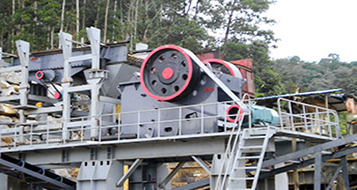
Modular and mobile screening units are increasingly preferred due to project mobility and space constraints. These units offer rapid deployment and integration with crushers and conveyors on-site, minimizing downtime.
-
Advances in screen media technology—such as polyurethane panels and tensioned wire meshes—have enhanced screening efficiency and reduced maintenance intervals, a critical factor in the UAE’s high-temperature and dusty environments.

-
Integration with digital monitoring systems enables real-time performance tracking, optimizing feed rates and detecting imbalances early—key for maintaining continuous operations in 24/7 projects.
-
The effectiveness of vibrating screens directly impacts project timelines, material yield, and cost-efficiency, making them indispensable in modern mining and construction workflows across the UAE.
Leading Vibrating Screen Equipment Suppliers in Dubai
-
Sandvik Mining and Rock Solutions
Sandvik is a globally recognized leader in mining and construction equipment, with a robust presence in Dubai. The company offers advanced vibrating screen solutions engineered for high efficiency, durability, and low maintenance. Their range includes inclined screens, horizontal screens, and flip-flow models suited for demanding applications in aggregates, mining, and recycling. Sandvik screens are designed with modular components for quick changeouts and optimized amplitude control, ensuring consistent performance in harsh environments. Their Dubai operations are supported by a full-service technical team, providing installation, maintenance, and spare parts logistics through local depots. -
ZWC Outotec
ZWC Outotec delivers high-capacity vibrating screens tailored for bulk material processing across industries. In Dubai, the company serves major quarrying, mining, and recycling operations with models such as the PREMIER SCREEN and MULTIFLO series. These screens feature advanced vibration dynamics, modular design, and intelligent monitoring systems for predictive maintenance. ZWC’s Dubai-based engineering support ensures site-specific customization, performance optimization, and integration with existing crushing and conveying systems. Their commitment to sustainability is reflected in energy-efficient drives and wear-resistant materials that extend service life and reduce lifecycle costs. -
Weir Minerals
Weir Minerals, through its Enduron® vibrating screen product line, offers scalable screening solutions engineered for reliability in high-abrasion environments. The company maintains a strategic footprint in Dubai, catering to the region’s growing infrastructure and mineral processing sectors. Enduron screens utilize robust box-section frames, high-strength bearings, and optimized stroke patterns to achieve superior stratification and throughput. Weir’s local support includes application analysis, equipment commissioning, and training programs designed to maximize uptime and operational efficiency. -
FLSmidth
FLSmidth provides innovative vibrating screens designed for heavy-duty mineral processing applications. Their Dubai operations focus on turnkey solutions for aggregates and cement plants, integrating vibrating screens within complete processing circuits. FLSmidth’s screen technology emphasizes modular construction, ease of maintenance, and adaptability to variable feed conditions. With a regional service network, they offer remote diagnostics, spare parts management, and performance audits to ensure long-term reliability.
These suppliers distinguish themselves through engineering excellence, local technical support, and lifecycle management services—critical factors for operational continuity in Dubai’s fast-paced industrial environment.
How to Choose the Right Vibrating Screen for Your Project Needs
-
Assess material characteristics first: particle size, moisture content, bulk density, and abrasiveness dictate screen media type, aperture size, and excitation force. Fine, sticky materials may require self-cleaning screens or ultrasonic assistance, while coarse, dry aggregates perform well on heavy-duty inclined screens.
-
Determine required capacity and throughput. Match the vibrating screen’s feed rate to your production goals. Undersized units lead to bottlenecks; oversized ones increase capital and operational costs unnecessarily. Review volumetric load and residence time to ensure efficient stratification and separation.
-
Select the appropriate screen motion: linear, circular, or elliptical. Circular motion suits scalping and high-volume applications due to strong stratification and reduced blinding. Linear motion is ideal for dewatering, drying, and final product grading where precise cut points are critical. Elliptical motion offers a balance, effective for fine screening and challenging materials.
-
Choose between deck configuration and screen area. Multi-deck screens allow multiple size separations in one unit, optimizing space and energy. Ensure adequate screen area per ton per hour—typically 3 to 5 m² per 100 tph for dry screening—to maintain efficiency and reduce overload.
-
Evaluate construction materials and durability. In abrasive or corrosive environments, opt for wear-resistant steel, polyurethane panels, or stainless steel components. Sealed bearings and robust exciters enhance longevity in harsh conditions typical of quarrying and mineral processing.
-
Prioritize ease of maintenance. Quick-tensioning screen media systems, modular designs, and accessible drive components reduce downtime. Consider screens with diagnostic capabilities or vibration monitoring for predictive maintenance.
-
Confirm compliance with regional standards and certifications, particularly for hazardous environments. Suppliers in Dubai often provide ATEX or IECEx-compliant models for oil, gas, and chemical applications.
-
Engage suppliers with technical expertise and local service support. Leading Dubai-based providers offer site-specific evaluations, pilot testing, and lifecycle cost analysis to optimize selection.
-
Factor in total cost of ownership—initial price, energy consumption, spare parts availability, and expected lifespan. A premium screen with higher efficiency and durability often delivers better ROI than a lower-cost, suboptimal alternative.
Maintenance and Performance Optimization Tips for Vibrating Screens in Harsh Climates
-
Perform routine inspections at least weekly, focusing on screen media tension, deck fasteners, and structural welds. Harsh climates in Dubai—characterized by high ambient temperatures, sand abrasion, and sporadic dust storms—accelerate wear and compromise equipment integrity. Immediate replacement of worn or damaged components prevents unplanned downtime.
-
Utilize climate-resistant materials for screen components. Opt for polyurethane or rubber-lined decks and wear plates to resist sand erosion. Stainless steel fasteners reduce corrosion risk from occasional humidity spikes, particularly in coastal areas such as Jebel Ali.
-
Maintain proper lubrication of bearings and vibratory motors using high-temperature greases rated for continuous operation above 60°C. Re-lubricate according to OEM schedules, increasing frequency during peak summer months. Monitor for grease degradation or leakage, which indicates seal failure.
-
Ensure consistent amplitude and stroke by checking vibrator shaft alignment and adjusting eccentric weights as needed. Thermal expansion from daytime heat can alter drive belt tension; inspect belts bi-weekly and align motors precisely to prevent slippage and power loss.
-
Install sun shielding or weather enclosures where feasible. Direct solar exposure increases surface temperatures beyond operational tolerances, accelerating degradation of screen cloth and electrical components. Passive cooling through reflective coatings on enclosures can mitigate thermal loading.
-
Optimize feed consistency and load distribution. Uneven feed rates exacerbate stress on screen decks and reduce screening efficiency. Use controlled feeders and flow-directing baffles to maintain even material spread, minimizing localized wear.
-
Monitor screen performance through daily throughput and undersize carryover logs. A measurable decline in efficiency often precedes mechanical failure. Implement predictive maintenance using vibration analysis and infrared thermography to detect bearing imbalances or motor anomalies early.
-
Store spare parts in climate-controlled environments to prevent warping or degradation of rubber and composite materials. Keep critical spares—screen panels, tensioning rails, and drive belts—on-site to reduce repair lead time during sudden failures.
-
Train operational staff on climate-specific failure modes, including sand ingress in bearings and UV degradation of polymeric components. A well-informed team ensures faster diagnostics and adherence to maintenance protocols, directly influencing equipment longevity and uptime in demanding desert conditions.
Frequently Asked Questions
What is vibrating screen equipment and how is it used in industrial applications in Dubai?
Vibrating screen equipment is a mechanical separation device used to classify, dewater, or remove fines from bulk materials in industries such as mining, construction, aggregates, and recycling. In Dubai, where large-scale infrastructure and quarrying operations are common, vibrating screens efficiently handle materials like sand, gravel, and crushed stone. Advanced models integrate adjustable vibration amplitudes and frequencies, enabling precise control for varying feed conditions in harsh desert environments.
How do I select the right vibrating screen for sand and aggregate processing in Dubai’s climate?
Selecting the right vibrating screen for Dubai’s high-temperature, dusty conditions requires equipment with sealed bearings, corrosion-resistant coatings (e.g., epoxy or powder-coated steel), and high-capacity motors designed for continuous operation. Opt for screens with modular designs, anti-blinding technology, and variable amplitude controls—features critical for processing silica sand and aggregates efficiently under extreme conditions.
What are the top brands supplying vibrating screen equipment in Dubai?
Leading manufacturers and suppliers of vibrating screen equipment in Dubai include Sandvik, ZWC Outotec, Powerscreen, McLanahan, and Weir Minerals. These brands are distributed through authorized regional partners such as L&T Qatar & UAE, E&M Investments, and Zenith Crushers Dubai. They offer ISO-certified, high-efficiency screening solutions tailored to UAE’s construction and mineral processing demands.
How does climate in Dubai affect the performance and maintenance of vibrating screens?
Dubai’s hot, arid climate accelerates wear on motors, bearings, and screen media due to sand ingress and thermal expansion. Proper maintenance includes daily inspection of vibration motors, regular greasing of sealed units, and cleaning of screen decks to prevent clogging. Equipment should use UV-resistant cables, cooling fins on motors, and IP55-rated electrical enclosures to ensure longevity and minimize unplanned downtime.
What types of vibrating screens are most effective for quarry operations in the UAE?
For UAE quarry operations, inclined vibrating screens are preferred for scalping and primary separation due to high throughput, while horizontal screens suit fine screening and dewatering applications. Flip-flow screens are increasingly used for sticky or high-moisture materials. Mobile and track-mounted vibrating screens, like Powerscreen’s Chieftain series, offer flexibility for remote quarry sites common in the desert regions.
Can vibrating screens be customized for specific material processing needs in Dubai?
Yes, reputable suppliers in Dubai offer fully customizable vibrating screens with options for screen deck configurations (single to triple decks), variable feed control, specialized screen media (polyurethane, rubber, or stainless steel), and integrated wash systems. Customization also includes explosion-proof motors for hazardous environments and smart monitoring systems for predictive maintenance.
What safety standards must vibrating screen equipment meet for use in Dubai?
Vibrating screen equipment in Dubai must comply with UAE Civil Defense regulations, ISO 13849 (safety of machinery), and CE or GOST certification. Equipment used in explosive atmospheres (e.g., cement plants) requires ATEX compliance. Safe guarding, emergency stops, vibration isolation, and noise level controls (<85 dB(A)) are mandatory for operator safety and regulatory approval.
How do smart technologies enhance vibrating screen efficiency in modern Dubai plants?
Smart vibrating screens integrate IoT-enabled sensors for real-time monitoring of amplitude, load distribution, temperature, and vibration patterns. In Dubai’s smart manufacturing facilities, this data feeds into centralized SCADA or ERP systems, enabling predictive maintenance, energy optimization, and remote diagnostics—key for reducing operational costs and boosting uptime on continuous production lines.
What is the typical maintenance schedule for industrial vibrating screens in Dubai?
Industrial vibrating screens should undergo preventive maintenance every 500 operational hours. This includes checking tension of screen media, inspecting bearings and springs, verifying bolt tightness, and monitoring motor performance. In Dubai’s abrasive environment, more frequent inspections (every 250 hours) are advised during peak summer months. Keeping a digital maintenance log improves traceability and compliance.
Are mobile vibrating screens a cost-effective solution for temporary projects in Dubai?
Yes, mobile vibrating screens are highly cost-effective for short-term infrastructure projects, land reclamation, or demolition recycling in Dubai. Units such as the Finlay 883+ or Sandvik QJ341 offer rapid deployment, reduced transport costs, and minimal site preparation. Their compact footprint suits urban job sites, and rental options from local suppliers like Action Equipment or Bigman Group improve capital efficiency.
What role does screen media selection play in optimizing output in Dubai’s aggregate industry?
Screen media selection directly impacts throughput, wear life, and product quality. In Dubai’s aggregate sector, polyurethane panels with anti-blinding features are preferred for wet screening, while punched steel or hybrid meshes offer durability for dry, abrasive feeds. Advanced media like 3D modular systems improve open area ratio and reduce maintenance frequency—critical for maximizing uptime in high-volume processing plants.
How can I ensure regulatory compliance when importing vibrating screen equipment into Dubai?
To ensure compliance, importers must verify that the equipment meets UAE Standards Specification (UAE.S) regulations through ESMA certification. Required documentation includes test reports, CE/ISO certificates, technical manuals, and customs clearance via Jebel Ali Port. Partnering with a DIAC-approved agency streamlines the process and avoids penalties for non-compliant industrial machinery.