Table of Contents
- High-Efficiency Gold Mining Equipment for Sale in Zimbabwe
- Addressing Critical Challenges in Zimbabwean Gold Operations
- Product Overview: Modular Gold Processing Plants
- Core Features Driving Operational Improvements
- Hydrocyclone Classifier | Technical Basis: Centrifugal separation | Operational Benefit: Pre-sorts feed material with 95% accuracy | ROI Impact: Reduces grinding costs by $8/tonne
- Variable-Speed Ball Mill | Technical Basis: Controlled kinetic energy transfer | Operational Benefit: Adjusts grind size without component changes | ROI Impact: Cuts media consumption by 35%
- Ceramic-Lined Pumps | Technical Basis: Alumina oxide wear resistance | Operational Benefit: Lasts 3x longer than steel in abrasive slurries | ROI Impact: Lowers replacement costs to $0.12/tonne processed
- Automated Cyanide Dosing | Technical Basis: ORP sensor feedback loops | Operational Benefit: Maintains optimal leach conditions ±2% tolerance | ROI Impact: Reduces reagent costs by $1.25/gold ounce produced
- Modular Plant Design | Technical Basis: Skid-mounted subassemblies | Operational Benefit: Reduces installation time from weeks to days | ROI Impact: Cuts commissioning costs by $28,000 average
- Performance Comparison Against Industry Standards
- Technical Specifications for Zimbabwean Conditions
- Proven Results Across Zimbabwean Operations
- Commercial Options Tailored for African Markets
- Frequently Asked Questions
High-Efficiency Gold Mining Equipment for Sale in Zimbabwe
Addressing Critical Challenges in Zimbabwean Gold Operations
Gold mining operations in Zimbabwe face persistent challenges that directly impact profitability:
- Low recovery rates: Traditional methods lose 15-30% of fine gold particles, costing operations $18,000-$35,000 monthly in unrecovered value
- High maintenance downtime: Conventional equipment requires 8-12 hours/week for servicing, reducing productive capacity by 20%
- Energy inefficiency: Outdated crushing circuits consume 40% more power than modern systems
- Water scarcity: Sluicing methods waste 3,500 liters/tonne processed versus closed-loop alternatives
Does your operation need equipment that delivers:
✔ Consistent >92% recovery rates across alluvial and hard rock deposits?
✔ <5% unscheduled downtime with modular component design?
✔ 30% lower energy consumption per tonne processed?
Product Overview: Modular Gold Processing Plants
Our gold mining equipment for sale in Zimbabwe combines crushing, gravity separation, and leaching technologies into integrated processing circuits. The system handles: 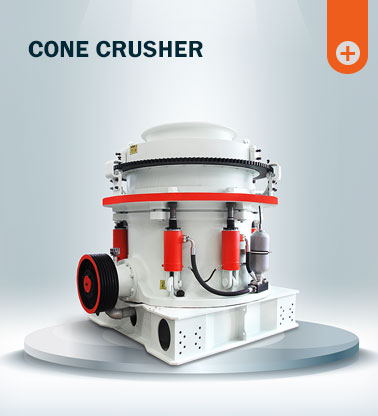
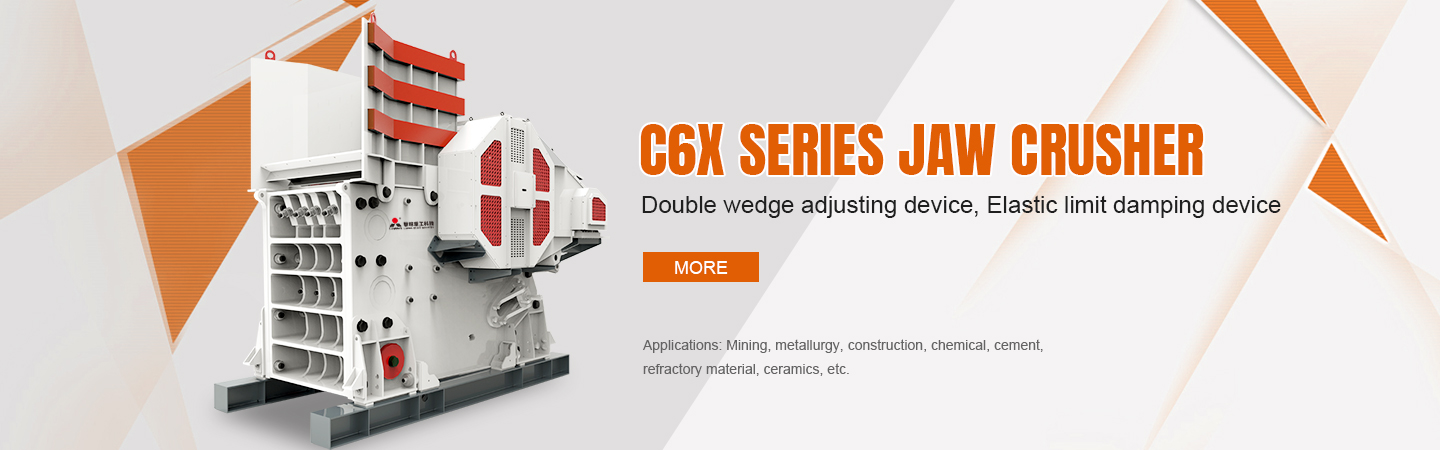
- Primary crushing: Jaw crushers reduce ore to -50mm particles
- Concentration: Knelson concentrators recover free gold (98% efficiency)
- Fine recovery: Vibrating tables capture particles down to 20 microns
- Tailings management: Compact filter presses reduce water usage by 75%
Ideal for: Small-to-medium scale operations (1-50 tonnes/hour) processing alluvial or quartz vein deposits
Core Features Driving Operational Improvements
Hydrocyclone Classifier | Technical Basis: Centrifugal separation | Operational Benefit: Pre-sorts feed material with 95% accuracy | ROI Impact: Reduces grinding costs by $8/tonne
Variable-Speed Ball Mill | Technical Basis: Controlled kinetic energy transfer | Operational Benefit: Adjusts grind size without component changes | ROI Impact: Cuts media consumption by 35%
Ceramic-Lined Pumps | Technical Basis: Alumina oxide wear resistance | Operational Benefit: Lasts 3x longer than steel in abrasive slurries | ROI Impact: Lowers replacement costs to $0.12/tonne processed
Automated Cyanide Dosing | Technical Basis: ORP sensor feedback loops | Operational Benefit: Maintains optimal leach conditions ±2% tolerance | ROI Impact: Reduces reagent costs by $1.25/gold ounce produced
Modular Plant Design | Technical Basis: Skid-mounted subassemblies | Operational Benefit: Reduces installation time from weeks to days | ROI Impact: Cuts commissioning costs by $28,000 average
Performance Comparison Against Industry Standards
| Performance Metric | Industry Standard | Our Solution | Improvement |
|---|---|---|---|
| Recovery rate (free gold) | 82-87% | 92-95% | +10.2% |
| Energy consumption | 18 kWh/tonne | 12.6 kWh/tonne | -30% |
| Water recycling rate | 45-60% | 85-90% | +47% |
| Mean time between repairs | 400 operating hours | 950 operating hours | +137.5% |
Technical Specifications for Zimbabwean Conditions
Processing Capacity: Configurable from 5-50 tonnes/hour
Power Requirements: Diesel or electric options (380V/50Hz compliant)
Materials: ASTM A572 steel frames with polyurethane wear components
Environmental Tolerance: Operates at full capacity up to 45°C ambient temperature
Footprint: Complete plant fits within 15m x 8m area (including safety margins)
Proven Results Across Zimbabwean Operations
Small-Scale Alluvial Mine (Kadoma District)
Challenge: Losing an estimated $22,000/month in unrecovered fine gold from sluice boxes
Solution: Installed compact gravity circuit with enhanced centrifugal concentrators
Results: Achieved consistent recovery rates of:
- Coarse gold (+200 mesh): 98.7%
- Fine gold (-200 mesh): 91.4%
Payback period of 5.2 months
Hard Rock Processing Plant (Shurugwi Belt)
Challenge: Excessive downtime from ball mill liner replacements every six weeks
Solution: Upgraded to ceramic-lined mill with automated wear monitoring
Results: Extended service intervals to:
- Liners now last 14 months
- Reduced grinding media consumption by 42 tonnes/year
Commercial Options Tailored for African Markets
Base Configuration Pricing:
- Compact trommel plant (10tph): $185,000
- Complete CIP plant (25tph): $620,000
Optional Upgrades:
- Solar hybrid power systems (+$48,000)
- Remote monitoring package (+$15,500)
Service Agreements Available:
- Platinum Coverage includes quarterly inspections and priority parts delivery ($9,800/year)
Frequently Asked Questions
Q1: What ore grades does this equipment process efficiently?
A1: Optimized for grades between 0.8g/t and >15g/t, with adjustable parameters for varying feed characteristics 
Q2: How does the system handle Zimbabwe’s frequent power fluctuations?
A2: All electric models include built-in voltage regulators protecting sensitive components up to ±25% variance
Q3: What training is provided for local operators?
A3; We deliver comprehensive training covering routine maintenance (40 hours) and troubleshooting (16 hours)
Q4; Are spare parts readily available regionally?
A4; Critical wear components are stocked Johannesburg with guaranteed <72hr delivery to major Zimbabwe centers
Q5; Can existing infrastructure be integrated?
A5; Modular design allows phased implementation—65 % of installations incorporate some legacy equipment