
Table of Contents
- 1. Addressing Critical Challenges in Stone Crushing Operations
- 2. Product Overview: How to Make a Stone Crusher for Industrial Applications
- 3. Core Features: Engineered for Performance and ROI
- 4. Competitive Advantages: Data-Driven Performance Gains
- 5. Technical Specifications
- 6. Application Scenarios
- Commercial Considerations Base unit pricing starts at $150k Tiered discounts for fleet orders Optional features Advanced telemetry (+$18k) Service packages Annual maintenance contracts reduce TCO by ~8%/year Financing Available through partner lenders (36–60mo terms typical). Request a customized quote based on your project scope and volume needs.
How to Make a Stone Crusher: A Proven Solution for Industrial Aggregate Production
1. Addressing Critical Challenges in Stone Crushing Operations
Producing consistent, high-quality aggregates requires overcoming persistent operational hurdles: .jpg)
- Material Variability: Unpredictable rock hardness (Mohs 3–8) causes premature wear, increasing replacement part costs by 30–50%.
- Downtime Costs: Manual adjustments and unplanned maintenance reduce throughput by 15–25% annually.
- Energy Inefficiency: Legacy crushers waste 20–35% of power due to suboptimal crushing chamber designs.
Is your operation struggling with these issues? What if a purpose-built stone crusher could mitigate these challenges while improving ROI?
2. Product Overview: How to Make a Stone Crusher for Industrial Applications
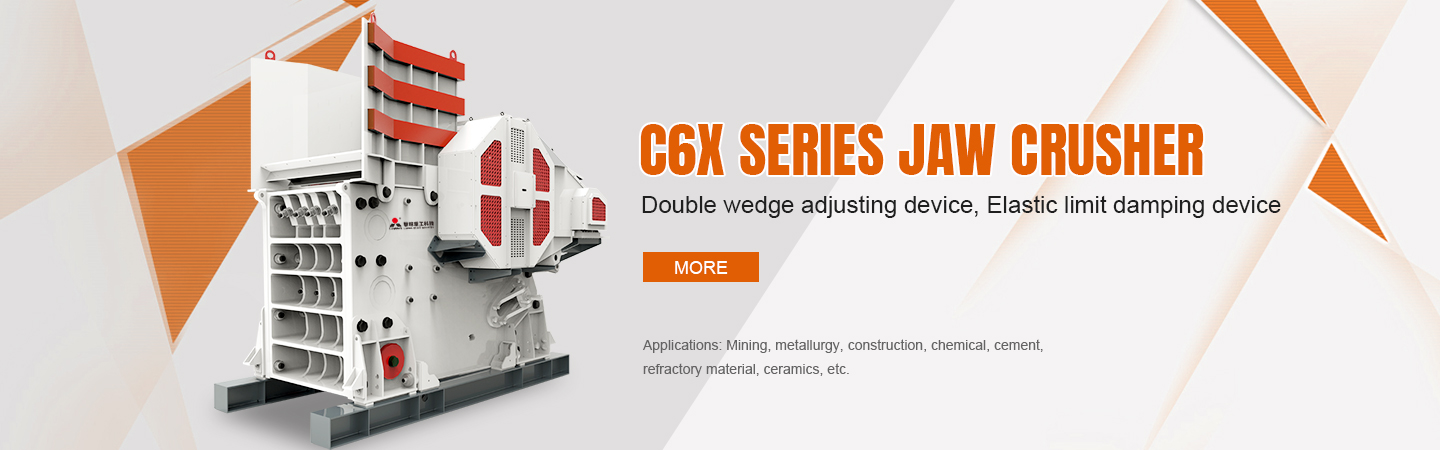
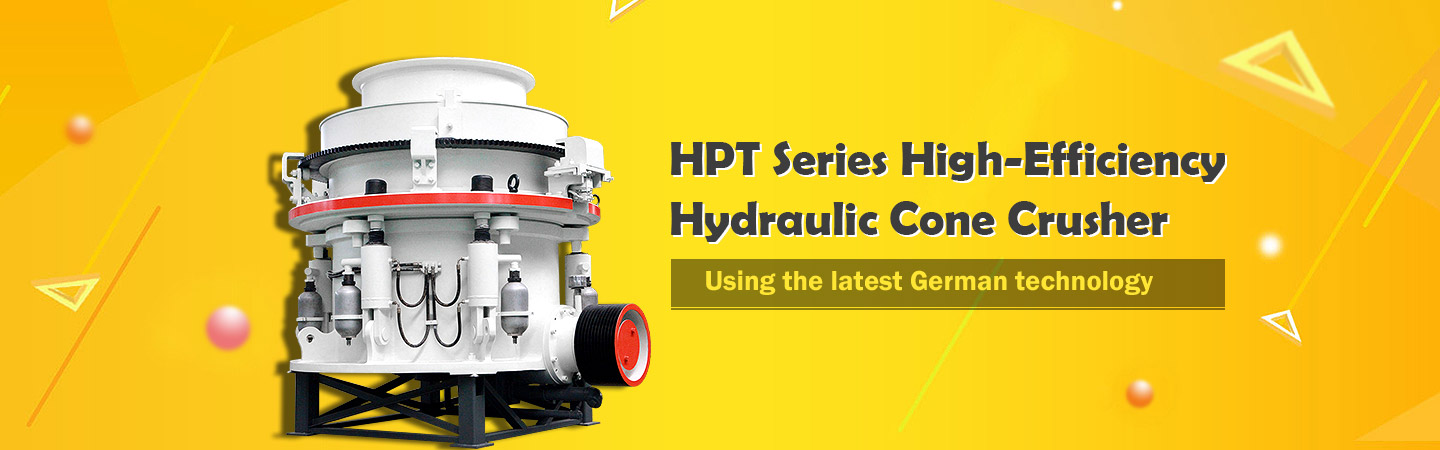
Equipment Type: Heavy-duty jaw crusher with hydraulic adjustment (primary crushing) or cone crusher (secondary/tertiary crushing).
Operational Workflow:
- Feed Preparation: Pre-screening removes fines to optimize chamber loading.
- Primary Crushing: Jaw plates compress material at 6:1 reduction ratio (typical).
- Gradation Control: Adjustable discharge settings (±5mm precision).
Applications: Quarrying, mining, recycling (concrete/asphalt). Limitations: Not suitable for cohesive clay-rich materials without pre-processing.
3. Core Features: Engineered for Performance and ROI
Wear-Resistant Liners | Technical Basis: Manganese steel alloy (18–22% Mn) | Operational Benefit: 40% longer service life vs. standard steel | ROI Impact: Reduces liner replacement costs by $12,000/year (avg.)
Hydraulic CSS Adjustment | Technical Basis: PLC-controlled wedge system | Operational Benefit: On-the-fly gap changes (<2 minutes) | ROI Impact: Eliminates 3+ hours/week of downtime for manual adjustments
Hybrid Drive System | Technical Basis: Direct + belt transmission | Operational Benefit: 15% lower energy consumption at partial loads | ROI Impact: Saves $8–10k annually in power costs (250kW unit)
(Additional features available upon request) .jpg)
4. Competitive Advantages: Data-Driven Performance Gains
| Performance Metric | Industry Standard | Our Solution | Advantage (%) |
|---|---|---|---|
| Throughput (tph) | 180–220 | 240–260 | +18% |
| Liner Life (hours) | 1,200 | 1,700 | +42% |
| Energy Use (kWh/tonne) | 0.85 | 0.72 | -15% |
5. Technical Specifications
- Capacity: 200–300 tph (varies by feed gradation)
- Power Requirement: 185–250 kW (50Hz/60Hz compatible)
- Material Compatibility: Granite, basalt, quartzite (<600mm feed size)
- Operating Temperature: -30°C to +50°C (arctic packages available)
6. Application Scenarios
Quarry Expansion Project | Challenge: Needed +25% output without increasing footprint | Solution: Installed jaw crusher with optimized kinematics for higher stroke count | Results: Achieved 28% higher throughput, payback in <14 months
Recycling Plant Upgrade Challenge Inconsistent asphalt gradation caused RAP rejection rates of ~12%. Solution Secondary cone crusher with micro-adjustment capability Results Produced spec-compliant RAP at <3% rejection, saving $220k/year in waste disposal
Commercial Considerations Base unit pricing starts at $150k Tiered discounts for fleet orders Optional features Advanced telemetry (+$18k) Service packages Annual maintenance contracts reduce TCO by ~8%/year Financing Available through partner lenders (36–60mo terms typical). Request a customized quote based on your project scope and volume needs.
FAQ Section Q What’s the minimum infrastructure needed to operate this stone crusher A Requires stable three-phase power supply and reinforced concrete foundation per our engineering drawings Q Can existing conveyors integrate with your system A Compatibility depends on belt width/speed—provide your current specs for evaluation Q How does humidity affect performance High moisture content (>7%) may require pre-screening; we offer bolt-on solutions Q What’s the lead time for delivery Standard units ship in weeks while custom configurations take weeks Q Are operator training programs included Yes all purchases include onsite or virtual training sessions