Table of Contents
- Maximizing Efficiency in Aluminium Ore Processing: Advanced Solutions for Plant Challenges
- Key Operational Challenges in Aluminium Ore Processing
- Product Overview: High-Efficiency Alumina Processing Systems
- Equipment Type
- Operational Workflow
- Application Scope
- Core Features: Engineered for Performance
- HPGR Crushing | Technical Basis: Interparticle breakage principle | Operational Benefit: 22–28% lower kWh/ton vs. cone crushers | ROI Impact: $1.2M annual energy savings (5,000 TPD plant)
- Ceramic-Lined Pumps | Technical Basis: Al₂O₃-ZrO₂ composite materials | Operational Benefit: 3x wear life vs. standard chrome steel | ROI Impact: $380K/year reduced replacement costs
- Smart Thickening Control | Technical Basis: Real-time rheology monitoring | Operational Benefit: ±2% underflow density consistency | ROI Impact: 8–12% higher alumina recovery
- Waste Heat Recovery | Technical Basis: Plate-type heat exchangers | Operational Benefit: Recaptures 65% of calciner exhaust heat | ROI Impact: 18% reduction in natural gas consumption
- Competitive Advantages: Measurable Improvements
- Technical Specifications (Model XB-4500)
- Application Scenarios
Maximizing Efficiency in Aluminium Ore Processing: Advanced Solutions for Plant Challenges
Key Operational Challenges in Aluminium Ore Processing
- High Energy Consumption: Traditional bauxite processing consumes 14–18 kWh per ton, driving up operational costs.
- Equipment Wear & Downtime: Abrasive alumina slurry reduces crusher and conveyor lifespans by 30–40%, increasing maintenance costs.
- Inconsistent Yield Quality: Impurities in Bayer process feedstocks can reduce alumina recovery rates by 5–12%.
- Regulatory Compliance: Waste slurry management accounts for 15–20% of total processing costs in non-compliant plants.
Are your operations facing these inefficiencies? What would a 20% reduction in energy use or a 35% longer equipment lifespan mean for your bottom line?
Product Overview: High-Efficiency Alumina Processing Systems
Equipment Type
Modular bauxite beneficiation and refining systems, including:
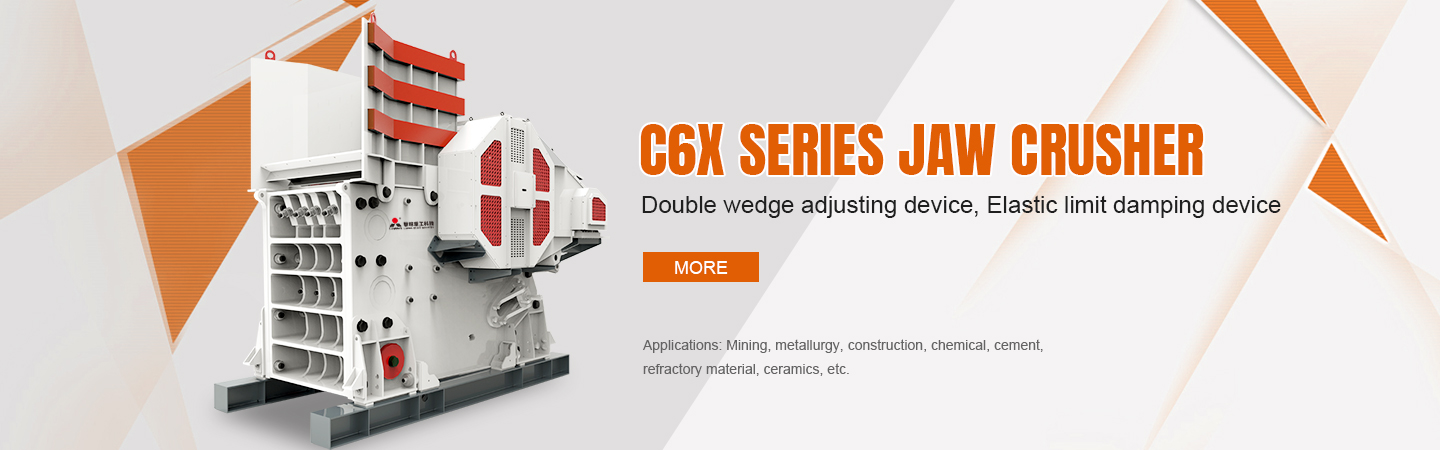
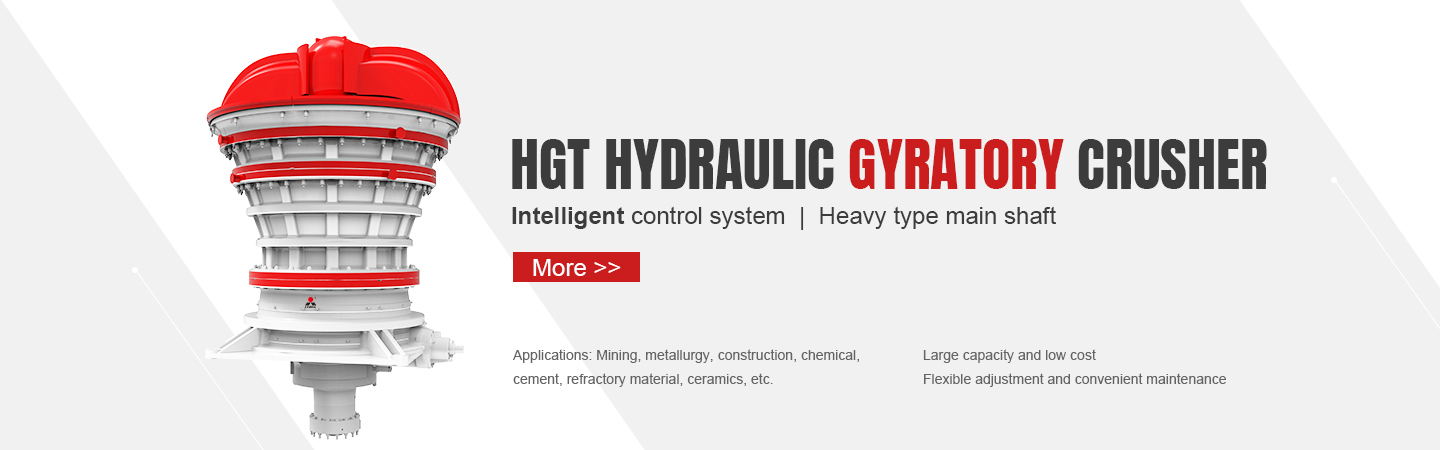
- Jaw/Gyratory Crushers with abrasion-resistant liners
- High-pressure grinding rolls (HPGR) for energy-efficient comminution
- Counter-current decantation (CCD) washers for impurity removal
Operational Workflow
- Primary Crushing: Reduced to ≤50mm particle size with ≤10% fines generation
- Grinding & Digestion: HPGR units cut energy use by 25% vs. ball mills
- Liquor Clarification: Advanced CCD systems achieve 99.2% solids removal
- Precipitation & Calcination: Closed-loop heat recovery reduces thermal energy demand
Application Scope
- Bauxite grades: 40–60% Al₂O₃ content
- Plant capacity: 500–5,000 TPD
- Limitations: Not suitable for lateritic ores with >8% silica content
Core Features: Engineered for Performance
HPGR Crushing | Technical Basis: Interparticle breakage principle | Operational Benefit: 22–28% lower kWh/ton vs. cone crushers | ROI Impact: $1.2M annual energy savings (5,000 TPD plant)
Ceramic-Lined Pumps | Technical Basis: Al₂O₃-ZrO₂ composite materials | Operational Benefit: 3x wear life vs. standard chrome steel | ROI Impact: $380K/year reduced replacement costs
Smart Thickening Control | Technical Basis: Real-time rheology monitoring | Operational Benefit: ±2% underflow density consistency | ROI Impact: 8–12% higher alumina recovery
Waste Heat Recovery | Technical Basis: Plate-type heat exchangers | Operational Benefit: Recaptures 65% of calciner exhaust heat | ROI Impact: 18% reduction in natural gas consumption
Competitive Advantages: Measurable Improvements
| Performance Metric | Industry Standard | Our Solution | Advantage (%) |
|---|---|---|---|
| Energy Consumption | 16 kWh/ton | 12 kWh/ton | -25% |
| Crusher Liner Life | 1,200 hours | 1,800 hours | +50% |
| Alumina Recovery Rate | 89–91% | 93–95% | +4 pts |
| Water Recycling Rate | 75% | 92% | +17 pts |
Technical Specifications (Model XB-4500)
- Capacity: 4,500 TPD bauxite feed
- Power Requirement: 8.2 MW (including ancillaries)
- Material Specifications: ASTM A532 Class III wear components, DIN EN 10025 structural steel
- Dimensions: Primary crushing module – 18m(L) x 7m(W) x 9m(H)
- Operating Range: -30°C to +55°C ambient temperature, ≤95% humidity