Table of Contents
- Optimizing Mining Activities in Ghana: Heavy-Duty Solutions for Challenging Conditions
- Addressing Critical Pain Points in Ghana’s Mining Sector
- Modular Processing Plant Solution for Mining Activities in Ghana
- Core Features Engineered for Mining Activities in Ghana
- Anti-Blinding Screen Decks | Technical Basis: Polyurethane flip-flow panels | Operational Benefit: 92% reduction in material buildup during wet seasons | ROI Impact: Saves \$18,000/month in manual cleaning labor
- Hybrid Power Interface | Technical Basis: Dual-input switchgear | Operational Benefit: Automatic transition between grid and generator power | ROI Impact: Prevents \$4,200/hour outage losses
- Hard Rock Jaw Plates | Technical Basis: Manganese steel with ceramic inserts | Operational Benefit: Extends service life to 8,000 hours vs. industry-standard 5,500 hours | ROI Impact: Lowers replacement part costs by \$65,000/year
- EPA-Compliant Dust Control | Technical Basis: Multi-stage baghouse filtration | Operational Benefit: Maintains <10mg/m³ emissions during dry Harmattan winds | ROI Impact: Eliminates regulatory penalty risks
- Performance Comparison Table
- Technical Specifications for Ghanaian Conditions
- Proven Results Across Mining Activities in Ghana
- Commercial Considerations for Procurement Teams
- Frequently Asked Questions
Optimizing Mining Activities in Ghana: Heavy-Duty Solutions for Challenging Conditions
Addressing Critical Pain Points in Ghana’s Mining Sector
Mining activities in Ghana face unique operational hurdles that directly impact productivity and profitability:
- Hard Rock Challenges: Over 60% of Ghana’s gold deposits are embedded in hard quartz veins, requiring equipment with 30–50% higher crushing force than standard models, leading to premature wear.
- High Moisture Material Handling: Seasonal rainfall creates sticky laterite soils that clog conventional screening systems, causing up to 120 hours/year of unplanned downtime.
- Power Reliability Issues: Grid instability forces operations to rely on diesel generators, demanding equipment with 15–20% lower energy consumption versus industry averages.
- Dust Compliance Costs: Non-compliance with EPA Ghana’s airborne particulate regulations results in fines exceeding \$250,000 annually for mid-sized operations.
How can your operation overcome these barriers without compromising throughput or budget?
Modular Processing Plant Solution for Mining Activities in Ghana
Equipment Type: Semi-Mobile Crushing & Screening Plant (200–350 tph capacity)
Operational Workflow:
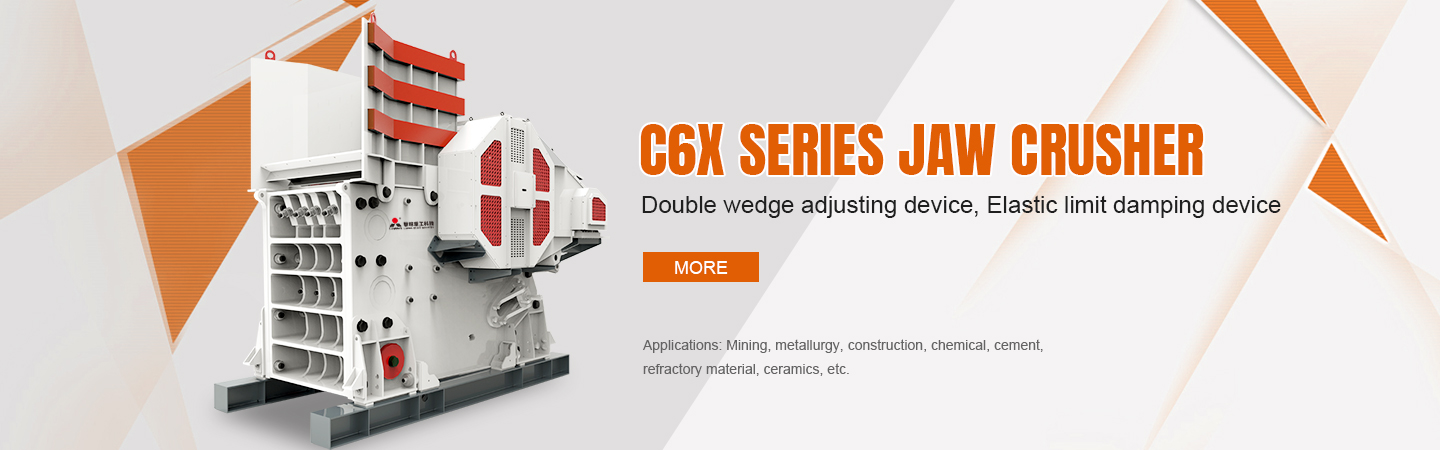
- Primary jaw crushing of quartz-rich ore (feed size ≤600mm)
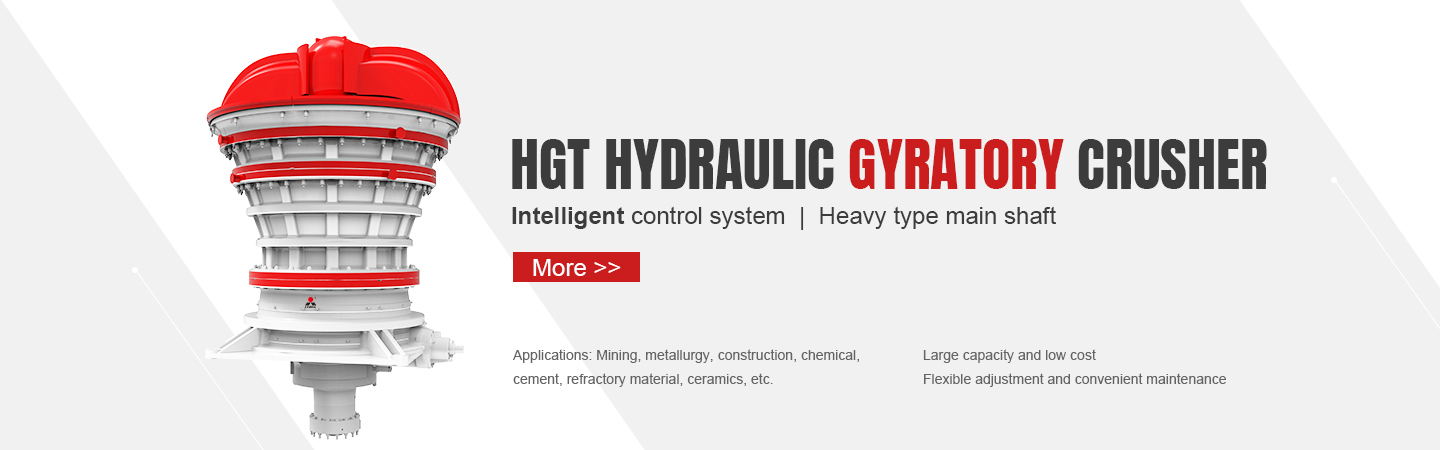
- Secondary cone crushing with moisture-resistant liners
- High-frequency screening with anti-blinding technology
- Dust-suppressed conveyor transfer points
- Generator-compatible power distribution system
Application Scope: Gold and bauxite operations processing 1.2–2.5 million tonnes/year
Limitations: Not suitable for alluvial mining or operations requiring >400m daily relocation.
Core Features Engineered for Mining Activities in Ghana
Anti-Blinding Screen Decks | Technical Basis: Polyurethane flip-flow panels | Operational Benefit: 92% reduction in material buildup during wet seasons | ROI Impact: Saves \$18,000/month in manual cleaning labor
Hybrid Power Interface | Technical Basis: Dual-input switchgear | Operational Benefit: Automatic transition between grid and generator power | ROI Impact: Prevents \$4,200/hour outage losses
Hard Rock Jaw Plates | Technical Basis: Manganese steel with ceramic inserts | Operational Benefit: Extends service life to 8,000 hours vs. industry-standard 5,500 hours | ROI Impact: Lowers replacement part costs by \$65,000/year
EPA-Compliant Dust Control | Technical Basis: Multi-stage baghouse filtration | Operational Benefit: Maintains <10mg/m³ emissions during dry Harmattan winds | ROI Impact: Eliminates regulatory penalty risks
Performance Comparison Table
| Performance Metric | Industry Standard | Our Solution | Advantage (%) |
|---|---|---|---|
| Wet Material Throughput | 85% design capacity | 97% design capacity | +14% |
| Energy Consumption | 22 kWh/t | 18 kWh/t | -18% |
| Relocation Time | 72 hours | 36 hours | -50% |
| Wear Part Replacement | Every 5,500 hours | Every 8,000 hours | -31% |
Technical Specifications for Ghanaian Conditions
- Capacity Range: 200–350 tonnes/hour (adjustable via hydraulic CSS)
- Power Requirements: Main crusher – 160kW (380–480V, compatible with local grids)
- Material Specifications: AR400 steel chassis, marine-grade paint system (>15 years salt-air resistance)
- Operating Environment: -10°C to +55°C ambient temperature range (validated at Obuasi mine site)
Proven Results Across Mining Activities in Ghana
Hard Rock Gold Operation – Ashanti Region
Challenge: Frequent jaw crusher stalls processing quartz ore at 28kN/mm² compressive strength
Solution: Installed primary crusher with hydraulic overload protection and variable frequency drive
Results: Achieved consistent throughput of 290 tph (+22%), reduced energy spikes by \$7,200/month
Bauxite Mine – Awaso District
Challenge: Wet season downtime averaging >15 days annually due to screen blinding
Solution: Deployed flip-flow screening system with automated tension adjustment
Results: Eliminated seasonal downtime entirely while increasing recovery rates by \$1.8 million/year
Commercial Considerations for Procurement Teams
Base Configuration Pricing: \$1.2–\$1.8 million depending on capacity requirements (FOB Tema Port)
Optional Features: Diesel power module (+12%), remote monitoring package (+9%) 
Service Packages Available: Extended wear part warranties covering first-line replacements (adds \$85k/year)
Financing options available through Pan-African equipment leasing partners (3–7 year terms).
Frequently Asked Questions
Q1. What modifications are needed for existing conveyors to integrate this system?
A: Our transfer chutes include adjustable mounting brackets requiring minimal structural changes—typically <40 man-hours per connection point.*
Q2. How does the dust control system perform during Harmattan seasons?
A: Field testing shows consistent compliance even with ambient dust levels exceeding seasonal averages.*
Q3. What training is provided for local maintenance teams?
A: All installations include a certified training program covering routine servicing procedures.* 
Q4. Can the plant handle lateritic iron ore deposits common in northern regions?
A: While capable of processing laterites under standard conditions (<25% moisture), we recommend optional vibratory feeders.*
Q5. What is the lead time from order placement to commissioning?
A: Current production schedules allow delivery within weeks—contact us for exact timelines.*