
Table of Contents
Optimizing Crushing Performance: Advanced Angle of Nip Jaw Crusher Solutions for Industrial Operations
1. Operational Challenges Addressed by Proper Angle of Nip Jaw Crusher Design
- Premature Wear Costs: Incorrect nip angles accelerate liner wear, increasing replacement costs by 30–50% and causing unplanned downtime.
- Throughput Bottlenecks: Suboptimal nip angles reduce crushing efficiency, limiting output by 15–25% in hard rock applications.
- Product Quality Issues: Inconsistent particle sizing due to improper nip angle forces reprocessing, adding $8–$12/ton in handling costs.
- Maintenance Frequency: Excessive vibration from poor nip geometry raises bearing failure rates by 40%, shortening service intervals.
- Energy Waste: Misaligned nip angles increase power consumption by 10–20% without improving throughput.
Does your operation face these costly inefficiencies? A scientifically calibrated angle of nip jaw crusher can resolve these challenges.
2. Product Overview: Precision-Engineered Angle of Nip Jaw Crusher
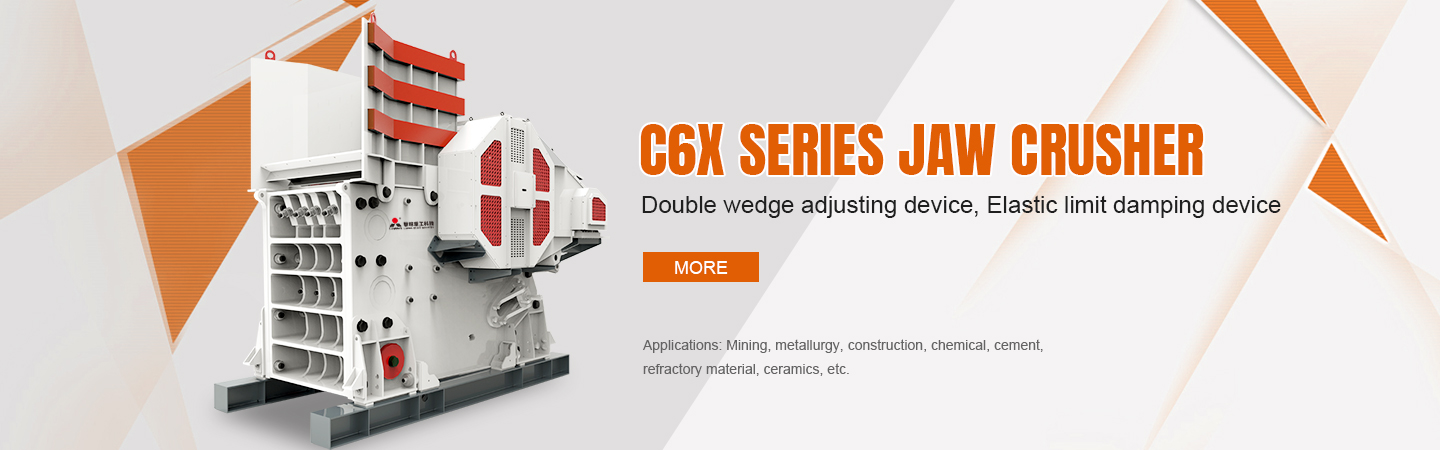
Equipment Type: Heavy-duty primary/secondary jaw crusher with adjustable nip angle mechanism.
Operational Workflow:
- Material enters crushing chamber, guided by optimal nip angle geometry.
- Progressive compression fractures feed stock efficiently (18–22° recommended for most aggregates).
- Discharge sizing controlled via hydraulic or mechanical CSS adjustment.
Applications: Hard rock mining, quarrying, slag processing (feed sizes: 150–1,500mm).
Limitations: Not suitable for sticky materials exceeding 10% moisture content without pre-screening. 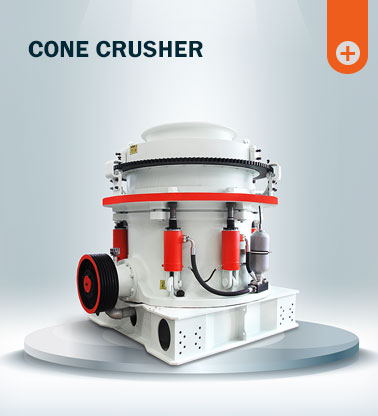
3. Core Features: Engineered for Efficiency
Adjustable Nip Angle Mechanism | Technical Basis: Kinematic dynamics | Operational Benefit: Optimized for varying feed hardness | ROI Impact: Reduces liner wear costs by 35%
Dual-Action Hydraulic CSS Adjustment | Technical Basis: Hydro-mechanical actuation | Operational Benefit: On-the-fly sizing corrections (<2 mins) | ROI Impact: Cuts reprocessing labor by 50%
AR400 Liner Plates | Technical Basis: Abrasion-resistant steel metallurgy | Operational Benefit: Extends service life to 8,000+ hours | ROI Impact: Lowers $/ton wear costs by 28%
Vibration-Dampening Frame | Technical Basis: Finite element analysis (FEA) modeling | Operational Benefit: Reduces structural stress peaks by 45% | ROI Impact: Extends bearing lifespan 2x industry average
Direct-Drive Power Transmission | Technical Basis: Eliminated V-belt slippage | Operational Benefit: Consistent 95%+ power transfer efficiency | ROI Impact: Saves $6,000/year in energy vs. belt-driven units
4. Competitive Advantages:
| Performance Metric | Industry Standard | Our Angle of Nip Jaw Crusher Solution | Advantage (% Improvement) |
|---|---|---|---|
| Liner Replacement Interval | Every 3,500 hours | Every 5,800 hours | +66% |
| Energy Consumption | 0.12 kWh/ton | 0.09 kWh/ton | -25% |
| Throughput Capacity | 450 tph (hard granite) | 580 tph (hard granite) | +29% |
5. Technical Specifications:
- Capacity Range: 200–800 tph (varies by feed hardness and CSS setting).
- Power Requirements: 75–250 kW (model-dependent), IE3 high-efficiency motors standard.
- Material Specifications: ASTM A128 manganese steel jaws, SAE 4140 shafting.
- Dimensions: Feed opening from 900x600mm to 1,500×1,200mm configurations available.
- Operating Range: -30°C to +50°C ambient temperature tolerance with optional cold/hot weather packages.
6.Application Scenarios:
[Quarry Operations – Basalt Crushing] Challenge: Frequent liner changes reduced uptime to <70%. Solution: Implemented angle of nip jaw crusher with optimized geometry and quick-adjust hydraulics. Results:** Achieved consistent CSS (±2mm variance), extended liner life to >5 months (+110%), boosted uptime to >90%.
[Iron Ore Processing Plant] Challenge: Excessive fines generation (<10mm) wasted saleable product. Solution: Adjusted nip angle to narrower profile (18°) with secondary grizzly. Results: Reduced fines output from >30% to <18%, increasing premium lump ore revenue share.
7.Commercial Considerations:**
Base Pricing Tiers:
-Standard Duty:$185K-$320K(200-500tph)
-Heavy Duty:$350K-$480K(600-800tph)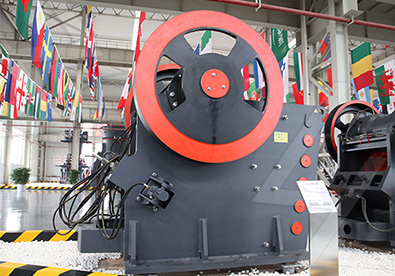
Optional Features:
-High-capacity dust suppression(+$12K)
-Automated CSS control(+$22K)
-Remote monitoring telemetry(+$18K)
Service Packages:
-Premium Maintenance Contract:$8K/year(covers biannual inspections+wear parts discounts)
-Financing Options:
36-month lease at $4