Table of Contents
- Optimizing Gold Mining Operations in South Africa: Heavy-Duty Solutions for Challenging Conditions
- Key Operational Challenges in South African Gold Mines
- Heavy-Duty Processing Equipment for South African Gold Ores
- Core Features Engineered for South African Conditions
- XRT Pre-Sorting | Technical Basis: Dual-energy X-ray transmission | Operational Benefit: Reduces processing volume by 40% | ROI Impact: Cuts energy use by $18/ton processed
- Depth-Rated Crushers | Technical Basis: Hardox-lined crushing chambers | Operational Benefit: Withstands abrasive conglomerate ore | ROI Impact: Extends wear life to 8,000hrs (+35%)
- Hybrid Power Module | Technical Basis: Grid-synchronized diesel generators | Operational Benefit: Maintains throughput during load shedding | ROI Impact: Saves $240k annually in outage losses
- Performance Benchmarks vs. Conventional Systems
- Technical Specifications for Harsh Operating Environments
- Proven Results Across Major Goldfields
- Commercial Options Tailored to Mining Economics
- Frequently Asked Questions
Optimizing Gold Mining Operations in South Africa: Heavy-Duty Solutions for Challenging Conditions
Key Operational Challenges in South African Gold Mines
South Africa’s gold mines face unique productivity hurdles:
- Declining ore grades: Average yield now below 5g/ton versus historical 10g/ton, requiring higher processing volumes
- Depth-related costs: Mines like Mponeng operate at 4km depths, where cooling and rock support consume 35% of operational budgets
- Energy constraints: Power costs account for 25% of processing expenses amid unreliable grid supply
- Safety compliance: Fall-of-ground incidents cause an estimated 14% of unplanned downtime annually
How does your operation mitigate these challenges while maintaining profitability?
Heavy-Duty Processing Equipment for South African Gold Ores
Our modular dense media separation (DMS) plants address critical extraction bottlenecks across Witwatersrand Basin operations: 
- Ore pre-sorting: X-ray transmission sensors reject 40% waste rock before processing
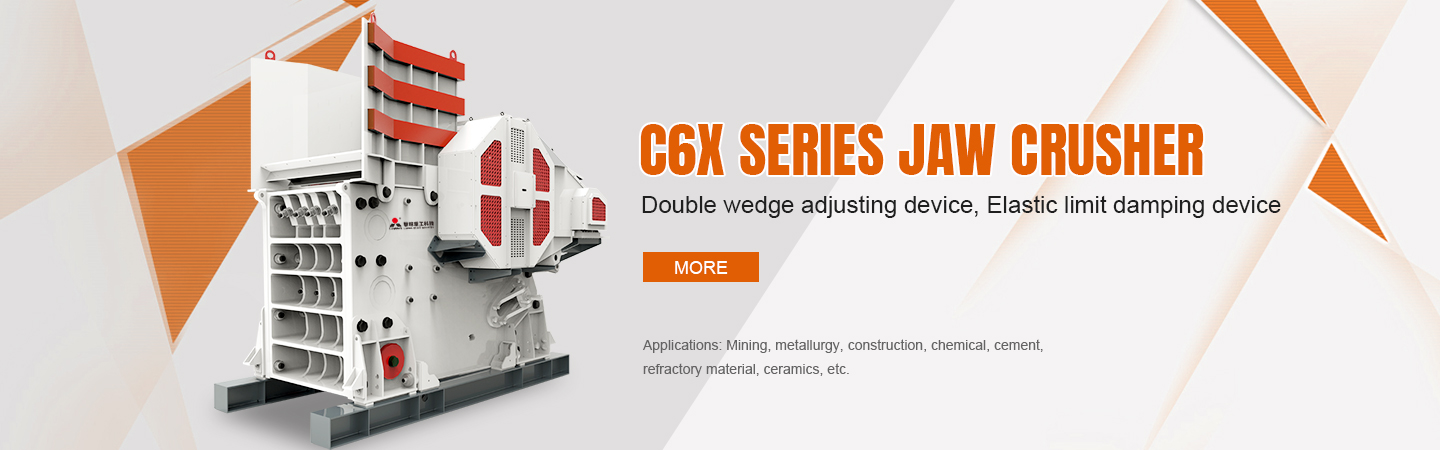
- Primary crushing: Hard-rock jaw crushers handle reef ore up to 600MPa compressive strength
- Density separation: Cyclone systems recover gold particles ≥0.1mm at 98% efficiency
- Tailings management: Compact filter presses reduce slurry volumes by 65%
Ideal for: Mid-tier producers (50,000–250,000t/month) needing rapid deployment at ≤350m depth
Core Features Engineered for South African Conditions
XRT Pre-Sorting | Technical Basis: Dual-energy X-ray transmission | Operational Benefit: Reduces processing volume by 40% | ROI Impact: Cuts energy use by $18/ton processed
Depth-Rated Crushers | Technical Basis: Hardox-lined crushing chambers | Operational Benefit: Withstands abrasive conglomerate ore | ROI Impact: Extends wear life to 8,000hrs (+35%)
Hybrid Power Module | Technical Basis: Grid-synchronized diesel generators | Operational Benefit: Maintains throughput during load shedding | ROI Impact: Saves $240k annually in outage losses
Performance Benchmarks vs. Conventional Systems
| Metric | Industry Standard | Our Solution | Improvement |
|---|---|---|---|
| Energy per ton processed | 28kWh/t | 19kWh/t | -32% |
| Recovery rate (<0.2mm Au) | 91% | 96% | +5pp |
| Footprint per 100tph capacity | 450m² | 320m² | -29% |
Technical Specifications for Harsh Operating Environments
- Throughput: Configurable from 50–300tph modular units
- Power: Main plant requires 1.2MW (±15% variance tolerance)
- Materials: ASTM A514 steel structures, polyurethane linings in abrasion zones
- Environmental limits: Rated for -5°C to +45°C ambient temperatures
Proven Results Across Major Goldfields
West Rand Operations Challenge: High dilution rates from narrow reef mining Solution: Installed XRT pre-concentration module Results: Increased head grade from 4.2g/t to 6.8g/t (+62%) within six months
Free State Tailings Reprocessing Challenge: Legacy dam material with inconsistent density Solution: Mobile DMS plant with adjustable medium density Results: Achieved stable recovery rates of 82% despite feed variability
Commercial Options Tailored to Mining Economics
Base configuration: $4.2M (100tph capacity, standard instrumentation)
Upgrades available:
- Automated medium density control (+$185k) reduces operator variance by ±0.1SG points per shift
- Remote monitoring package (+$75k/yr) provides real-time recovery analytics
Financing structures match mine cash flow cycles (12–36 month terms available). Lease-to-own arrangements reduce CAPEX burden during ramp-up phases.
Frequently Asked Questions
Q: What’s the minimum viable ore grade for this system?
A: Economic operation typically requires ≥3g/t head grade at current gold prices – we provide free ore testing to confirm suitability. 
Q: How does depth affect equipment performance?
A: All electrical components are rated for operations down to Level120 (3,500m), with optional pressurized cooling systems available beyond that depth threshold.
Q: What maintenance downtime should we expect?
A: Scheduled shutdown intervals are every six weeks (±5 days), requiring two eight-hour shifts per stoppage based on field data from seventeen installations near Carletonville shafts.