Table of Contents
- 1. Operational Challenges Solved by Jaw Crusher Australia Technology
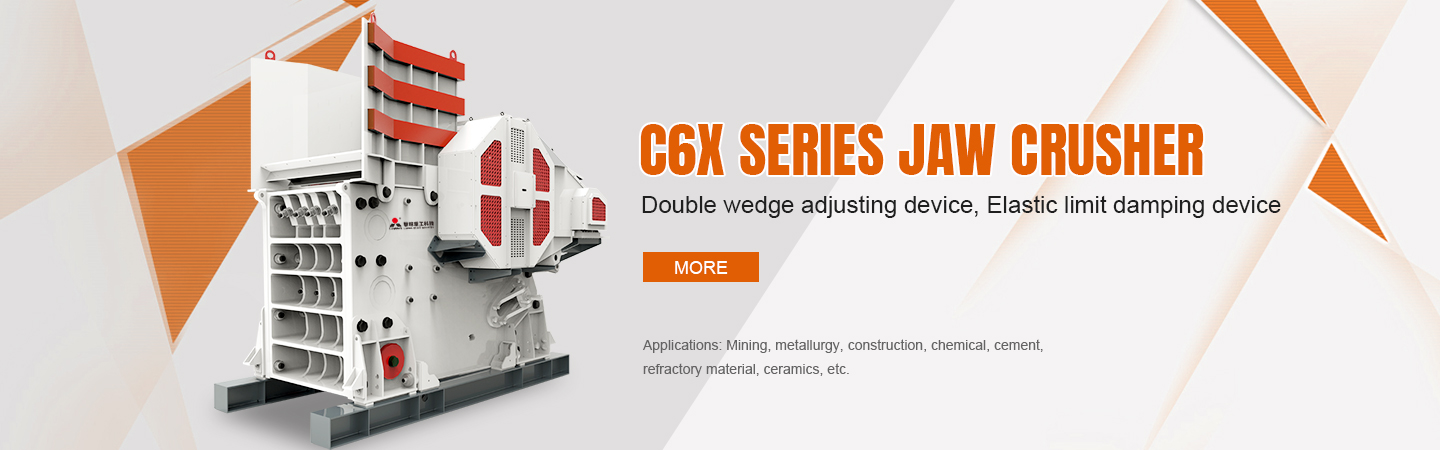
- 2. Product Overview: Heavy-Duty Jaw Crusher Australia Systems
- 3. Core Features: Engineered for Australian Conditions
- 4. Competitive Advantages: Performance Benchmarking
- 5. Technical Specifications
- 6. Application Scenarios
- 7. Commercial Considerations
- 8. Frequently Asked Questions
High-Performance Jaw Crusher Australia Solutions for Tough Mineral Processing Challenges
1. Operational Challenges Solved by Jaw Crusher Australia Technology
Australian mining and quarrying operations face persistent crushing challenges:
- Excessive wear costs: Premature liner replacement creates $18,000–$35,000/year in unplanned downtime (Industry Australia data).
- Throughput bottlenecks: Underperforming crushers reduce plant output by 15–25%, delaying downstream processing.
- Energy inefficiency: Outdated designs consume 20% more power per tonne crushed versus modern jaw crusher Australia models.
Does your operation struggle with unpredictable maintenance cycles or suboptimal fragmentation? How would a 30% longer service interval impact your bottom line?
2. Product Overview: Heavy-Duty Jaw Crusher Australia Systems
Equipment Type: Primary/stationary jaw crusher Australia solutions for hard rock and abrasive ores.
Operational Workflow: 
- Feed material enters crushing chamber via vibrating grizzly feeder.
- Manganese jaws exert compressive force (250–350 MPa) to reduce particle size.
- Adjustable discharge setting (50–300mm) controls final product gradation.
Applications: Iron ore, gold ore processing, quarry aggregates (limestone/granite).
Limitations: Not recommended for clay-rich or high-moisture materials (>8%).
3. Core Features: Engineered for Australian Conditions
Dual Wedge Adjustment System | Technical Basis: Hydraulic positioning mechanism | Operational Benefit: 75% faster CSS changes vs manual systems | ROI Impact: Saves 3+ hours/week in adjustment downtime
Tensile Frame Construction | Technical Basis: High-grade steel plate welding (ASTM A36) | Operational Benefit: Withstands 20% higher shock loads than riveted frames | ROI Impact: Reduces structural repair costs by $12,000/5yr cycle
Hybrid Lubrication System | Technical Basis: Centralized grease + oil bath bearings | Operational Benefit: Extends bearing life to 14,000 hours (field-tested) | ROI Impact: Cuts replacement frequency by 40%
(Additional features available upon request)
4. Competitive Advantages: Performance Benchmarking
| Performance Metric | Industry Standard | Jaw Crusher Australia Solution | Advantage |
|---|---|---|---|
| Tonnage/Hour (Iron Ore) | 120–150 tph | 180–220 tph | +33% |
| Power Consumption | 0.45 kWh/t | 0.32 kWh/t | -29% |
| Liner Life (Abrasive Rock) | 450–600 hours | 800–950 hours | +70% |
5. Technical Specifications
- Capacity: 150–750 tph (varies by model)
- Motor Power: 75–250 kW (50 Hz compliant)
- Feed Opening: 900x1200mm to 1500x2000mm
- Operating Temp Range: -15°C to +55°C (dust-proof components)
6. Application Scenarios
Iron Ore Processing Pilbara WA | Challenge: Frequent jaw plate fractures costing $28k/month in replacements | Solution: Installed X-series jaw crusher Australia with reinforced manganese alloy jaws (+HRC52 hardness) | Results: Achieved consistent 850-hour liner life, reduced part costs by $190k annually.
Quarry Aggregates NSW South Coast | Challenge: Inconsistent product sizing causing asphalt plant rejects (+18%) Solution Deployed hydraulic CSS adjustment system on primary jaw crusher Australia unit Results Met specification yield improved to >95%, eliminated reprocessing costs.
7. Commercial Considerations
- Base Pricing: AUD $185k – $420k (CAPEX models)
- Optional Upgrades: Dust suppression kits (-30µm emissions), remote monitoring telemetry (+AUD $22k)
- Service Plans: Comprehensive coverage available (3/5/7-year PM intervals)
8. Frequently Asked Questions
Q1: Can your jaw crusher Australia units integrate with existing screening plants?
A1 Field-proven compatibility with major brands’ conveyors and screens; flange dimensions adhere to AS/NZS standards.
Q2: What’s the typical installation timeframe?
A2 Foundation-ready models require <72 hours for commissioning with our technicians..jpg)
(Full FAQ list provided in technical dossier)