
Table of Contents
- Minimizing Coal Loss and Calorie Degradation in Mining & Shipping Operations
- The High Cost of Coal Handling Inefficiencies
- Precision Coal Handling System Overview
- Core Features Driving Operational ROI
- Dynamic Weighment | Technical Basis: Nuclear density gauges | Operational Benefit: ±0.25% mass measurement accuracy | ROI Impact: Eliminates 1.2–1.8% overpayment in rail/ship loading
- Segregation Control | Technical Basis: Low-impact cascade chutes | Operational Benefit: Maintains <5% size variation across stockpiles | ROI Impact: Reduces BTU variation by 400–600 kcal/kg
- Moisture Stabilization | Technical Basis: Capacitance probes + pulsed sprays | Operational Benefit: Holds moisture within ±0.7% of target | ROI Impact: Avoids $0.90/ton penalty for excess moisture
- Dust Suppression | Technical Basis: Electrostatic precipitators | Operational Benefit: Captures 98% of PM10 particles | ROI Impact: Recovers $2.10/ton in lost fines
- Automated Sorting | Technical Basis: XRF elemental analysis | Operational Benefit: Diverts off-spec batches pre-shipment | ROI Impact: Prevents $140,000 average penalty per Panamax vessel
- Performance Benchmarks vs Industry Standards
- Technical Specifications
- Proven Results Across Mining Operations
Minimizing Coal Loss and Calorie Degradation in Mining & Shipping Operations
The High Cost of Coal Handling Inefficiencies
Every ton of coal lost during mining, processing, or shipping directly impacts your bottom line. Industry data reveals three critical challenges:
- Material Loss: Up to 3.5% of raw coal is lost during transfer points, costing operations $18–$42 per ton in wasted product.
- Calorie Degradation: Poor handling reduces thermal value by 8–12% due to size segregation and moisture absorption.
- Shipping Penalties: Off-spec calorific values trigger contract penalties averaging $2.50–$5.00 per ton shipped.
Are your current systems equipped to: 
- Reduce airborne dust losses below 0.8% at transfer points?
- Maintain consistent BTU values across stockpiles?
- Meet export calorific specifications without reprocessing?
Precision Coal Handling System Overview
Our coal loss calorie mining shipping solution integrates weighment, moisture control, and automated sorting to preserve product quality from pit to port: 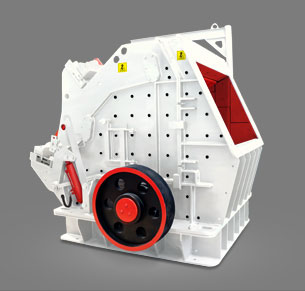
- Real-Time Monitoring: Continuous BTU analysis via inline NIR sensors
- Controlled Transfer: Enclosed conveyor systems with anti-segregation chutes
- Moisture Management: Targeted spray systems maintain optimal 8–10% content
- Automated Sorting: RFID-tagged batches routed by calorific value
- Load Optimization: Ship loading algorithms prevent stratification
Application Scope:
- Suitable for thermal coal operations >500,000 tpa
- Compatible with ROM coal through to washed products
- Not recommended for lignite <4,500 kcal/kg
Core Features Driving Operational ROI
Dynamic Weighment | Technical Basis: Nuclear density gauges | Operational Benefit: ±0.25% mass measurement accuracy | ROI Impact: Eliminates 1.2–1.8% overpayment in rail/ship loading
Segregation Control | Technical Basis: Low-impact cascade chutes | Operational Benefit: Maintains <5% size variation across stockpiles | ROI Impact: Reduces BTU variation by 400–600 kcal/kg
Moisture Stabilization | Technical Basis: Capacitance probes + pulsed sprays | Operational Benefit: Holds moisture within ±0.7% of target | ROI Impact: Avoids $0.90/ton penalty for excess moisture
Dust Suppression | Technical Basis: Electrostatic precipitators | Operational Benefit: Captures 98% of PM10 particles | ROI Impact: Recovers $2.10/ton in lost fines
Automated Sorting | Technical Basis: XRF elemental analysis | Operational Benefit: Diverts off-spec batches pre-shipment | ROI Impact: Prevents $140,000 average penalty per Panamax vessel
Performance Benchmarks vs Industry Standards
| Performance Metric | Industry Standard | Our Solution | Improvement |
|---|---|---|---|
| Transfer Point Loss | 2.1–3.5% | 0.6–0.9% | 68% |
| Calorific Consistency | ±750 kcal/kg | ±280 kcal/kg | 63% |
| Loading Cycle Time | 45 min/10k tons | 32 min/10k tons | 29% |
| Moisture Variation | ±1.8% | ±0.7% | 61% |
Technical Specifications
- Throughput Capacity: 800–12,000 tph (modular configurations)
- Power Requirements: 380–480V, 60Hz, 85kW base load (+22kW for analysis modules)
- Material Handling: AR450 steel liners, ceramic-coated transfer points
- Environmental Range: -30°C to +55°C operating temperature; IP66 rating for coastal installations
- Calorific Analysis: NIR sensors accurate to ±105 kcal/kg (ASTM D6349 compliant)