Mining requires a wide range of tools and equipment, categorized based on their functions—such as drilling, blasting, excavation, hauling, crushing, and safety. Below is a detailed breakdown:
.jpg) 1. Drilling Equipment
1. Drilling Equipment
Used to create holes for explosives or exploration.
– Jackhammer (Pneumatic Drill) – Handheld drill for small-scale operations.
– Rotary Drill Rigs – Large machines for deep drilling (e.g., blast holes).
– Down-the-Hole (DTH) Drills – High-penetration drills for hard rock.
– Top mmer Drills – Used in surface and underground mining.
2. Blasting Tools
Essential for breaking rock formations.
– Explosives (ANFO, Dynamite, Emulsions) – Primary blasting agents.
– Detonators & Blasting Caps – Initiate explosions electronically or chemically.
– Blast Hole Loaders – Machines that fill drill holes with explosives safely.
3. Excavation & Loading Equipment
Used to dig and transport mined material.
– Excavators – Hydraulic shovels for digging loose material (e.g., Caterpillar 349).
– Draglines – Massive machines removing overburden in open-pit mines.
– Bucket-Wheel Excavators – Continuous digging machines in large-scale operations.
– Loaders (Front-End, Wheeled, Tracked) – Transport material to trucks/conveyors (e.g., CAT 980).
4. Hauling & Transportation Equipment
Moves ore/waste from mining sites to processing plants or dumpsites.
– Haul Trucks (Dump Trucks) – Large-capacity trucks (e.g., CAT 797F can carry 400 tons).
– Underground Mining Trucks & LHDs (Load-Haul-Dump) – Used in confined spaces underground (e.g., Sandvik Toro™).
– Conveyor Belts – Continuous transport systems for bulk materials over long distances.
5. Crushing & Grinding Equipment
Reduces ore size for processing.
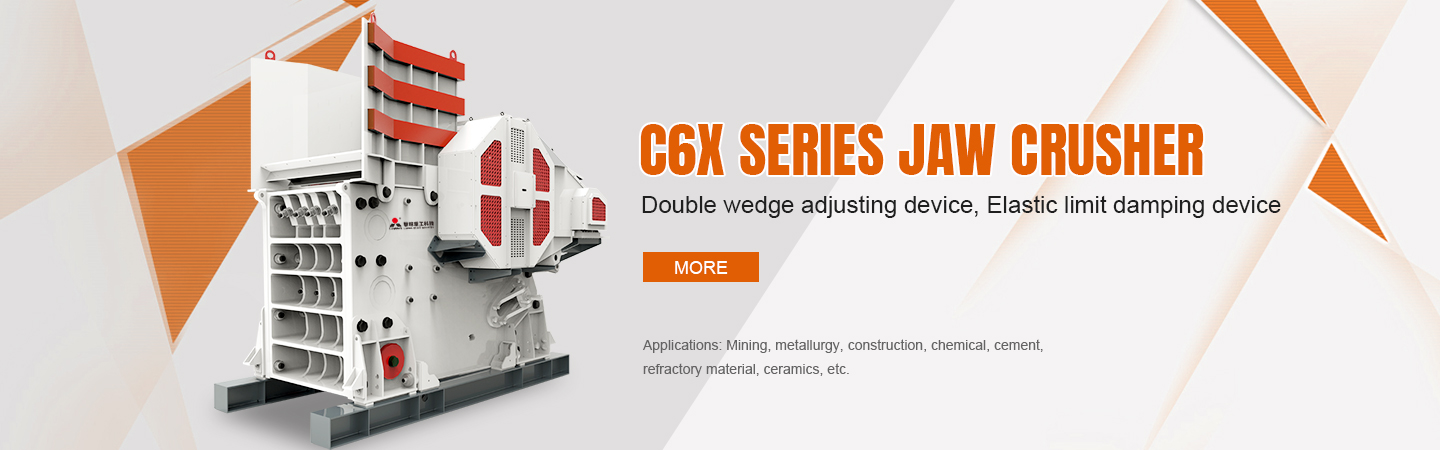
– Jaw Crushers – Primary crushers breaking large rocks into smaller chunks (~150 mm).
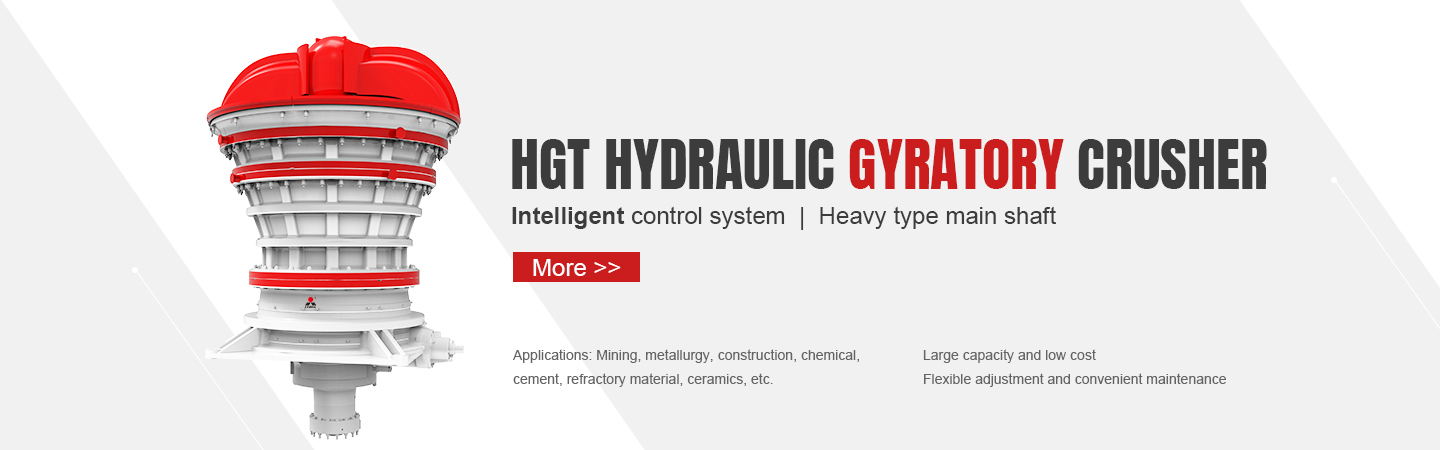
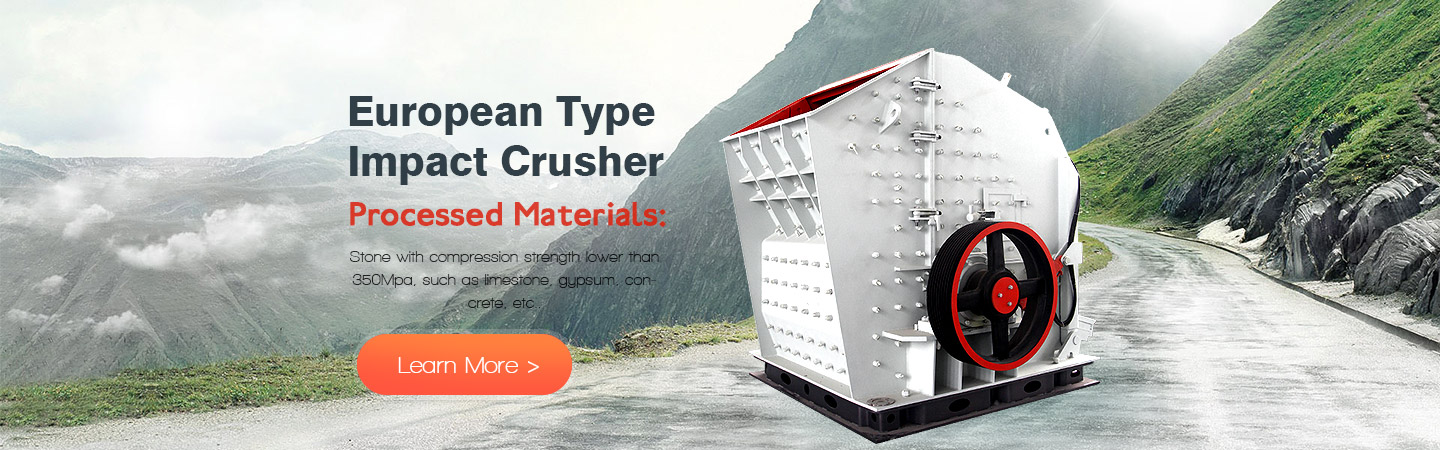
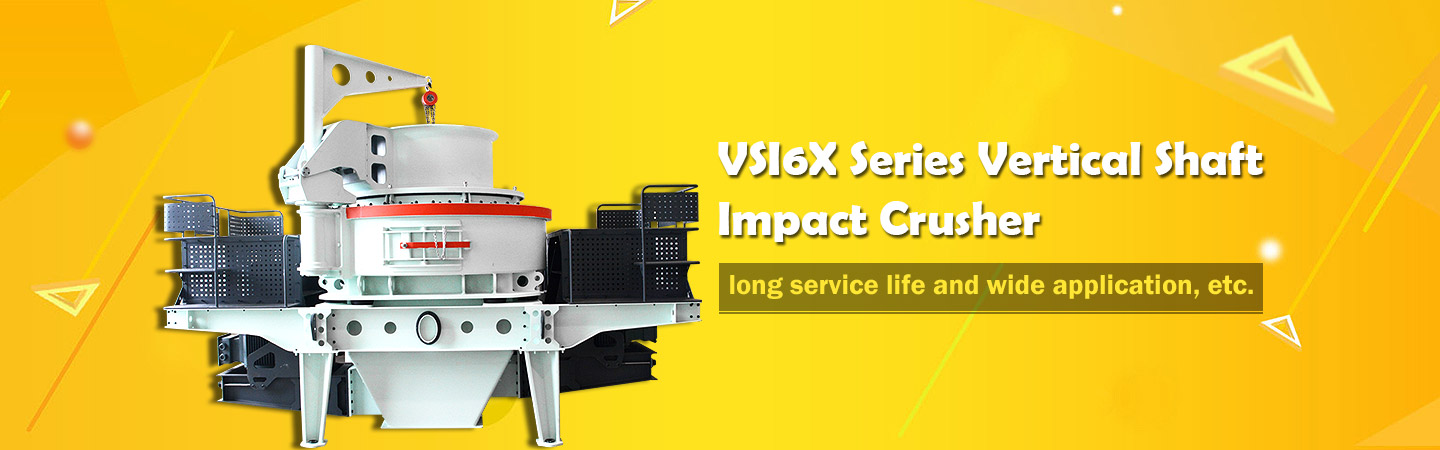
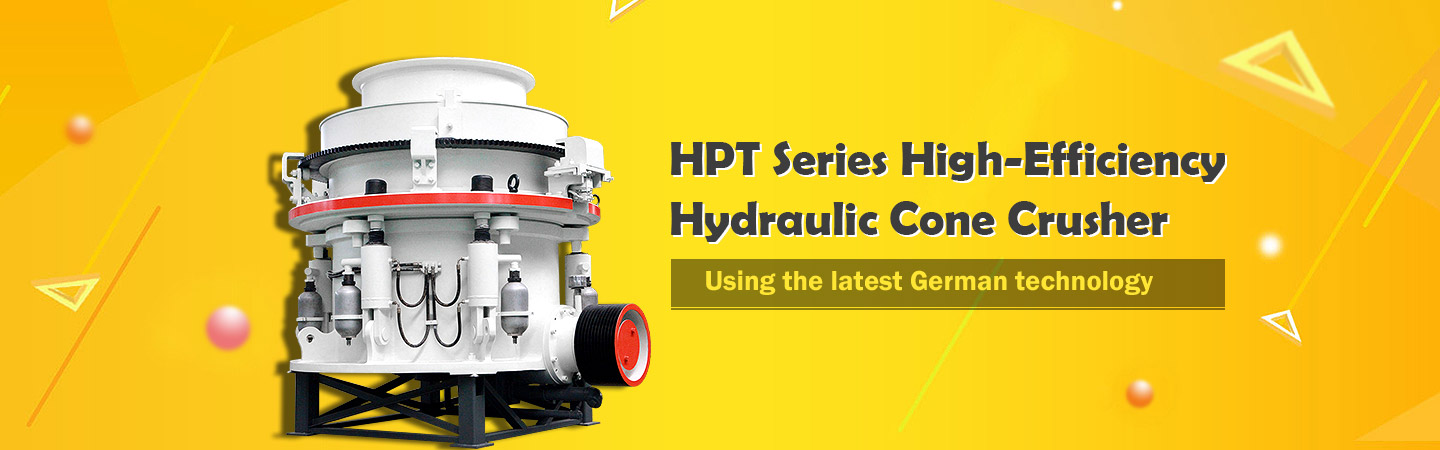
– Cone Crushers & Impact Crushers – Secondary crushing stages (~20 mm).