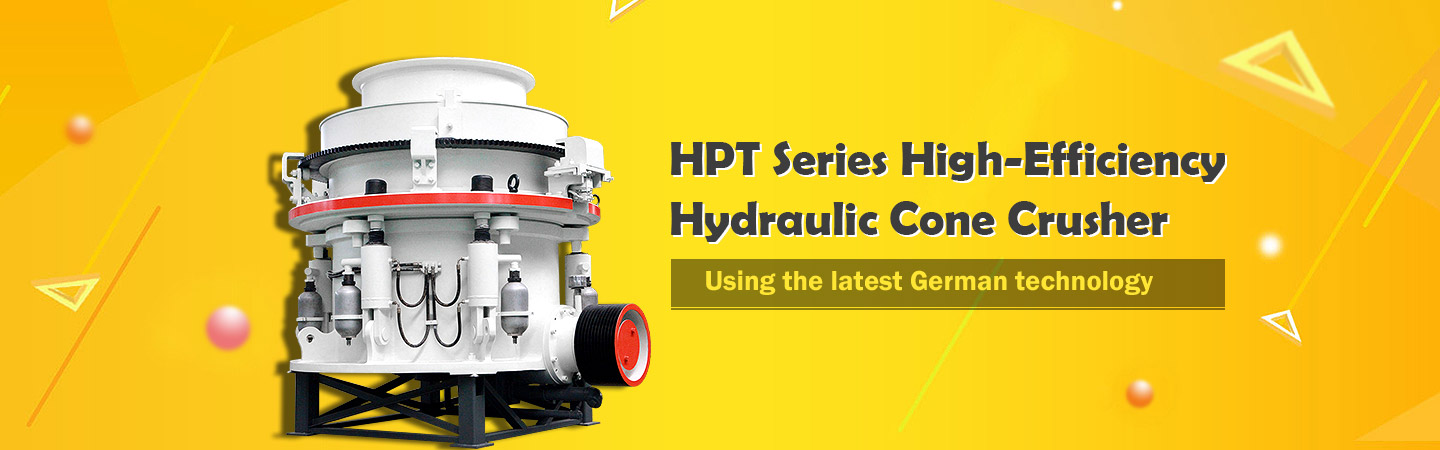
A granite rock crusher is a machine designed to break down large granite rocks into smaller, usable aggregates for construction and building materials. Granite is a hard, durable stone often used in road bases, concrete aggregates, asphalt mixtures, and landscaping.
Types of Granite Crushers for Building Materials
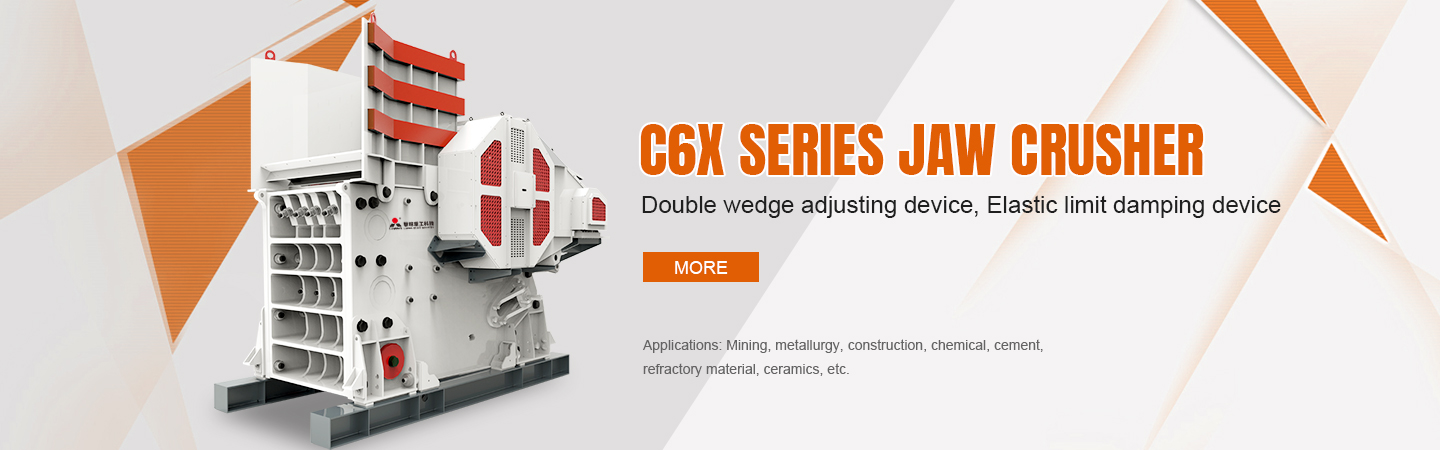
1. Jaw Crusher
– Primary crushing for large granite blocks (600mm–1200mm down to 150mm–300mm).
– High compressive strength, suitable for initial size reduction.
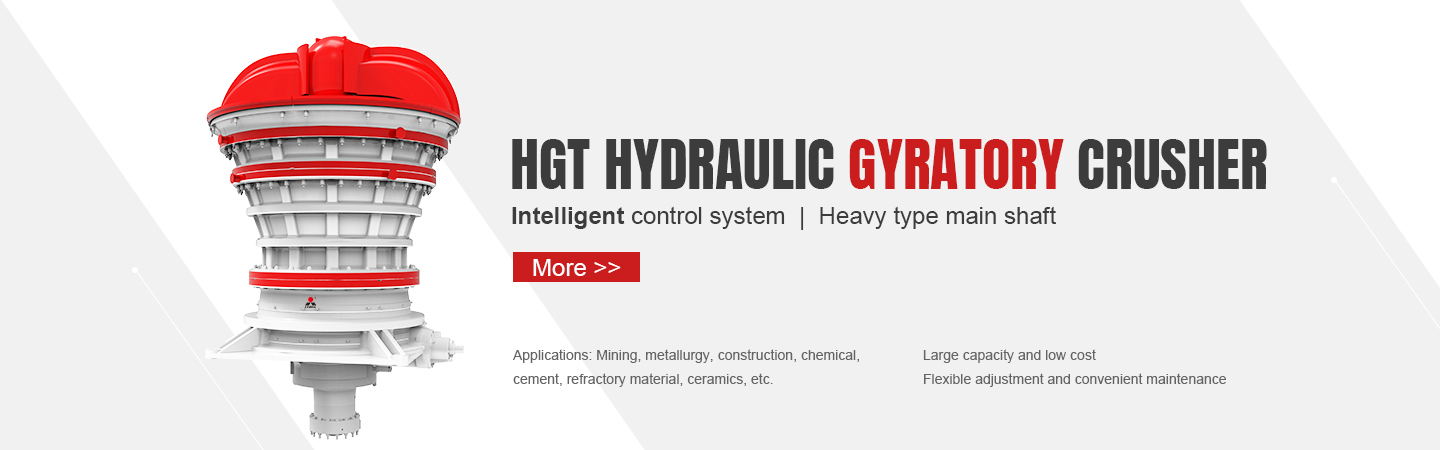
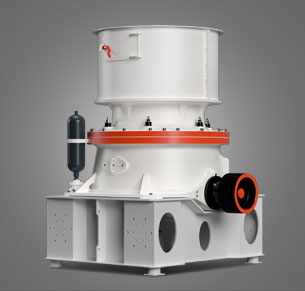
2. Cone Crusher
– Secondary crushing (150mm–300mm down to 20mm–50mm).
– Produces well-shaped aggregates for concrete and asphalt.
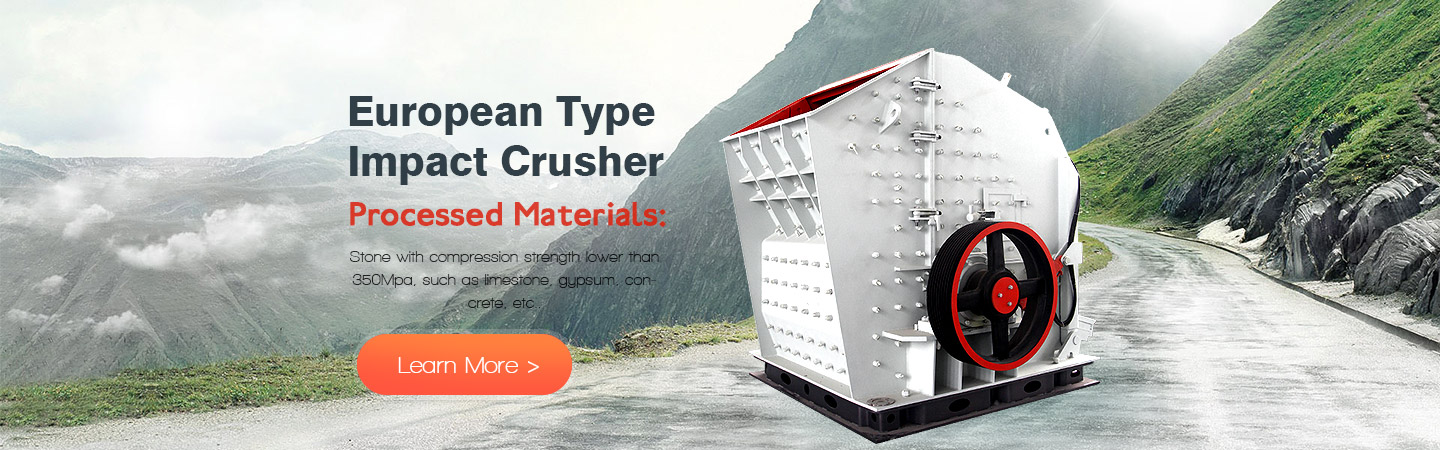
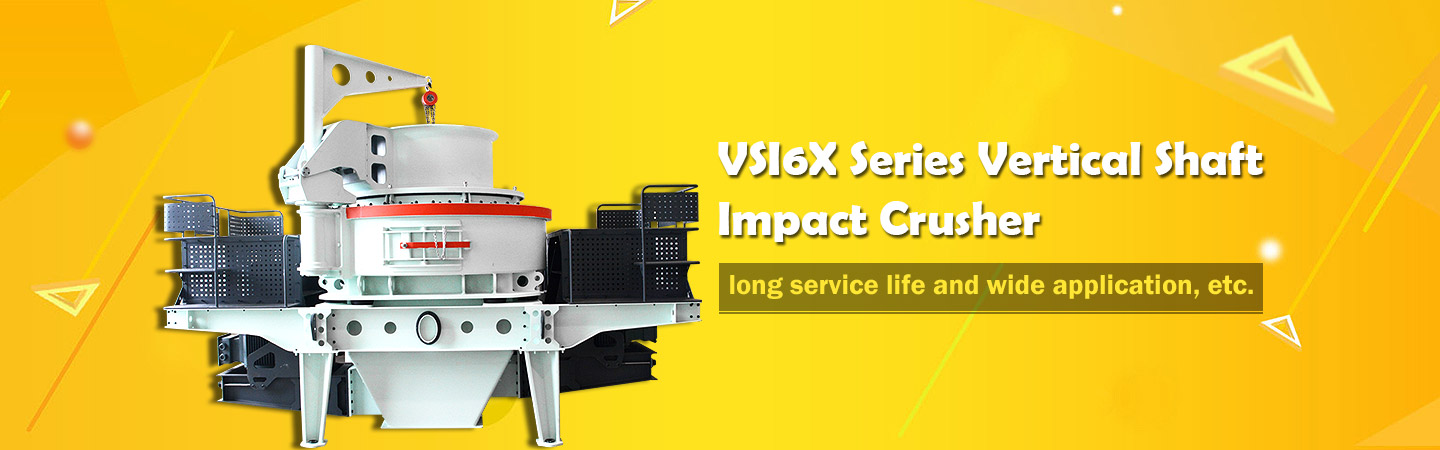
3. Impact Crusher (VSI/Horizontal Shaft Impactors)
– Tertiary crushing (50mm down to sand-sized particles).
– Produces fine aggregates and manufactured sand (M-sand) for high-quality concrete.
4. Hammer Crusher
– Used for medium-hardness granite with lower production demands.
5. Mobile Crusher
– Portable units for on-site crushing in construction projects.
 Common Uses of Crushed Granite in Building Materials
– Concrete Aggregates – Provides strength and durability.
– Road Base & Sub-base – Stabilizes roads and pavements.
– Asphalt Mixtures – Enhances load-bearing capacity.
– Landscaping & Decorative Stone – Used in pathways, driveways, and garden .jpg) tures.
tures.
– Railway Ballast – Supports rail tracks with high stability.
Key Considerations When Choosing a Granite Crusher
✔ Hardness & Abrasiveness – Granite is tough; wear-resistant liners are essential.
✔ Production Capacity – Match crusher size to project needs (tons/hour).
✔ Final Product Size – Adjustable settings for different aggregate grades (e.g., 0–5mm, 5–20mm).
✔ Energy Efficiency & Maintenance Costs – Cone crushers are efficient but require more upkeep than jaw crushers.
Would you like recommendations on specific models or configurations based on your project scale?